目录
- Aseptic vs Hot-Fill Bag-in-Box: The Direct Answer
- What Aseptic and Hot-Fill Packaging Mean
- How the Filling Processes Differ
- Bag Materials and Barrier Requirements
- Selecting by Product Type
- Fitments, Valves and Filling Equipment
- Storage, Distribution and Secondary Packaging
- Procurement and Validation Checklist
- Making the Right Choice
Aseptic and hot-fill bag-in-box systems both support shelf-stable liquid products, but they use different processing, package sanitation and filling approaches. This guide explains how to select the suitable bag, fitment and process for your product.
Aseptic vs Hot-Fill Bag-in-Box: The Direct Answer
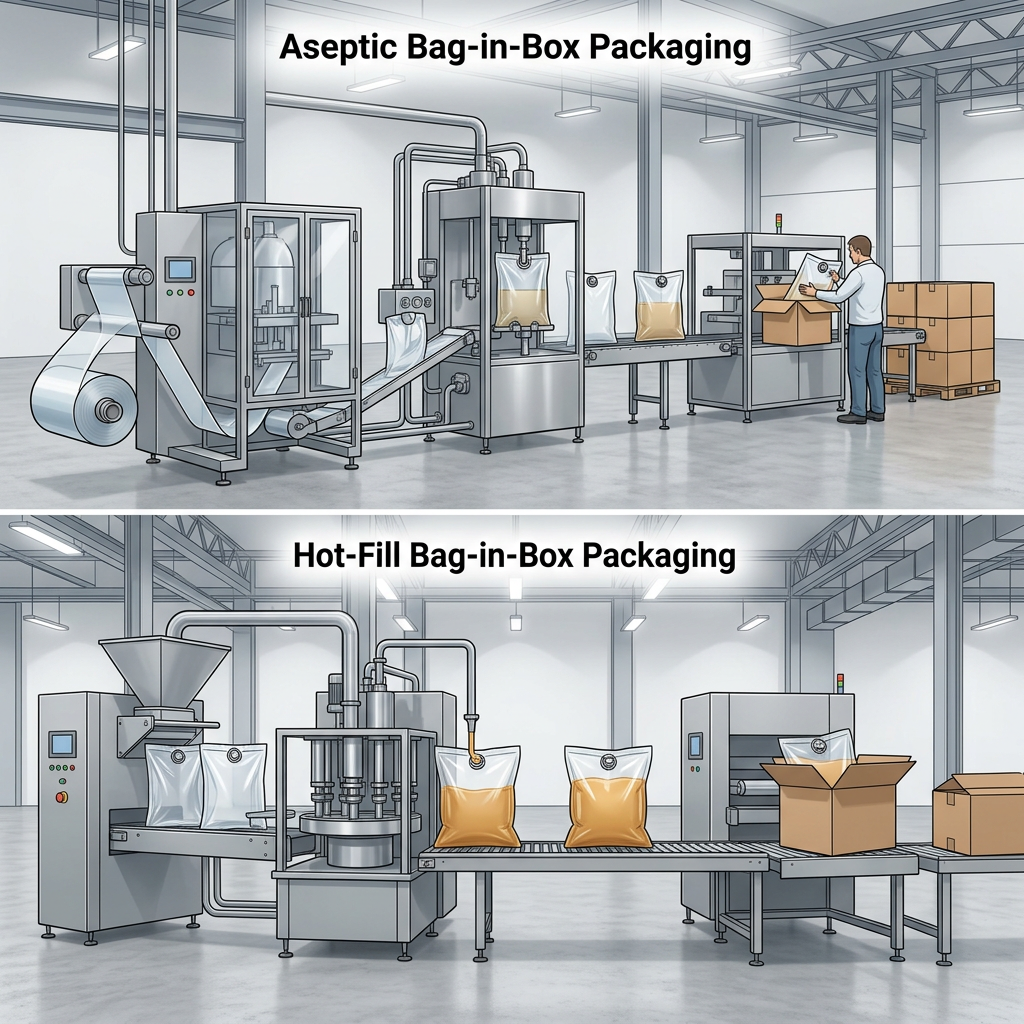
Aseptic vs hot-fill bag-in-box is primarily a choice between two different methods of achieving microbiological control for liquid products. Aseptic bag-in-box is generally the appropriate route when a commercially sterile product is filled into a pre-sterilized package under controlled aseptic conditions, often to support ambient distribution of sensitive products. Hot-fill bag-in-box is generally used when the product is filled at an elevated temperature so the heat treatment and hot product contact help sanitize the package interior.
Neither option is automatically better. The correct choice depends on the product formulation, acidity, particulates, target shelf life, fill temperature, distribution environment, filling equipment and local food-contact requirements. A juice concentrate, dairy base, fruit preparation, sauce or beverage syrup may each require a different combination of film structure, fitment and process controls.
In practical B2B procurement, start with the filling process rather than selecting a bag on appearance alone. The bag, closure and carton need to work as a system with the product and filling line. Buyers reviewing the wider supplier landscape can also consult this guide to bag-in-box manufacturers when developing a sourcing shortlist.
What Aseptic and Hot-Fill Packaging Mean
Aseptic packaging is a packaging system in which a commercially sterile product and a pre-sterilized package are brought together in a controlled environment designed to prevent recontamination during filling and sealing. Commercial sterility is a process condition in which microorganisms capable of growing under normal non-refrigerated storage conditions have been controlled; it is not the same as absolute sterility in every scientific context.
Hot-fill packaging is a process in which a product is heated, filled while hot, sealed and then cooled. Depending on the validated process, the hot product can provide a sanitation effect on the internal package surfaces and closure contact areas. The required temperature, holding time, headspace management and cooling conditions are product- and process-specific.
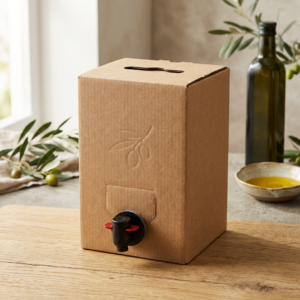
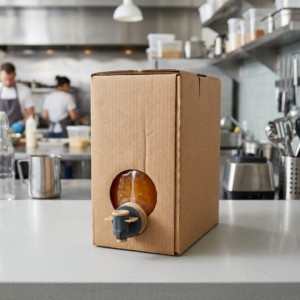
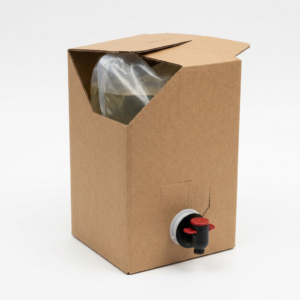
Bag-in-box, often abbreviated as BIB, combines a flexible inner bag with an outer corrugated carton. The bag provides liquid containment and barrier protection, while the carton supports stacking, handling and distribution. The bag can use one or more polymer layers, and may incorporate a barrier layer when oxygen, aroma retention or other protection is needed.
These definitions matter because an aseptic bag is not simply a thicker version of a hot-fill bag. It must be compatible with the aseptic filling system and the supplier’s package sterilization and handling method. Likewise, a bag that tolerates hot filling is not automatically suitable for aseptic operation.
How the Filling Processes Differ
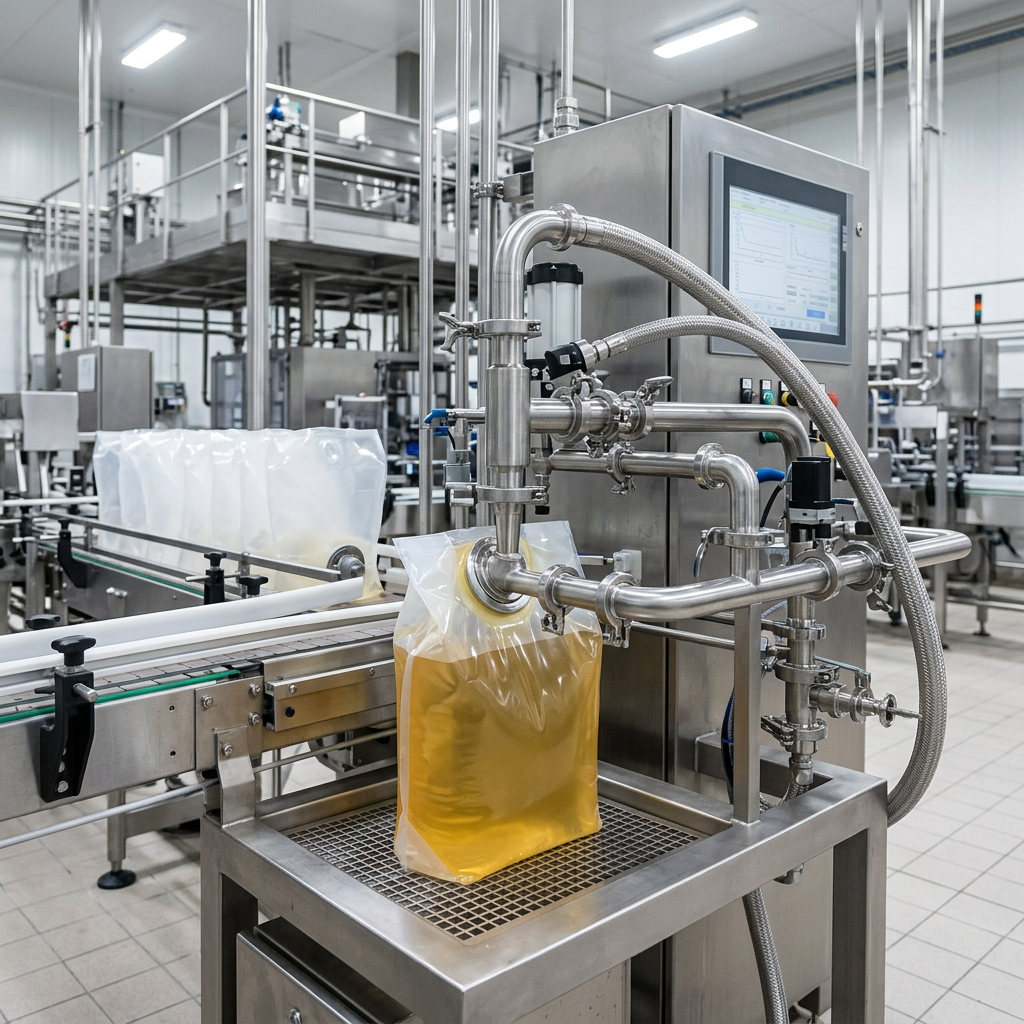
In an aseptic process, the product is normally heat processed or otherwise treated upstream, then transferred through a hygienic system to an aseptic filler. The bag and fitment are prepared for aseptic use according to the equipment and packaging specification. Filling, capping or valve engagement and discharge occur under controlled conditions intended to maintain package integrity.
In a hot-fill process, the product is processed to the specified fill condition and introduced into the bag at the validated filling temperature. The packaging must tolerate heat exposure, product pressure, handling and subsequent cooling without unacceptable distortion, seal failure or changes in usability. Process details such as dwell time, fill volume, product viscosity and cooling method can affect the final package result.
For both systems, the product itself remains central. pH, water activity, preservative system, solids content, fat content and particulate size all influence the process design. For example, a high-acid beverage and a low-acid dairy alternative should not be assessed using the same assumptions. Food safety specialists and the filler should establish the thermal process and microbiological controls before the packaging specification is finalized.
It is also important to distinguish packaging qualification from full process validation. A supplier can help assess film, seal and fitment compatibility, but the finished product process must be validated by the responsible brand owner, co-packer and relevant technical specialists.
Bag Materials and Barrier Requirements
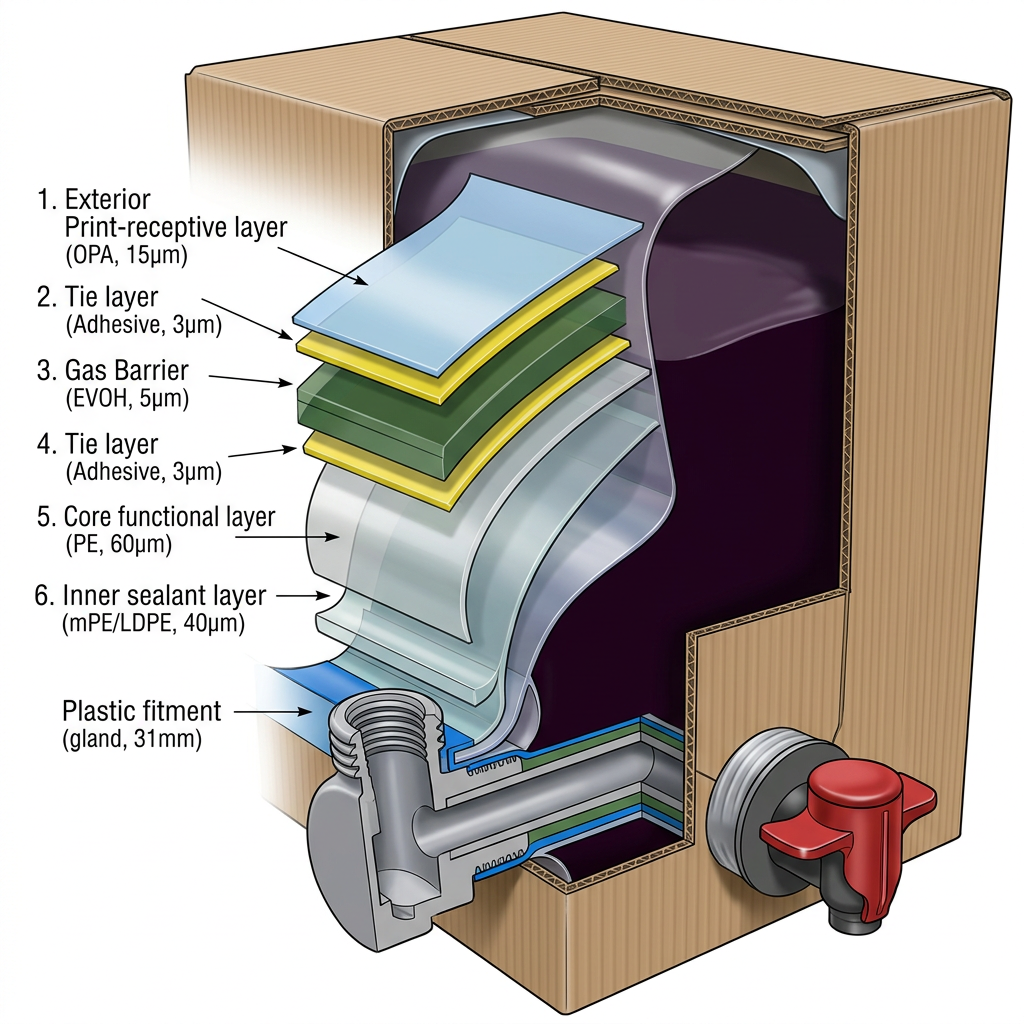
A bag-in-box bag is usually a multilayer flexible structure. Each layer has a role: a sealant layer enables reliable sealing; structural layers contribute strength and puncture resistance; and barrier layers can reduce transmission of oxygen, moisture or aroma compounds. A barrier is the packaging material’s resistance to the passage of gases, vapors or other substances through the film.
For hot-fill use, thermal resistance is a key consideration. The sealant and laminate structure must remain suitable at the real filling temperature and during cooling. The actual demand is not determined by temperature alone: product weight, head pressure, fill speed, bag geometry and handling after filling can all affect stress on seals and film.
For aseptic use, material selection also needs to account for compatibility with the applicable package sterilization method, aseptic fitment design and filler interface. The packaging supplier should confirm whether a proposed bag and closure configuration is designed for the intended aseptic process. Do not assume that all barrier films or all valves are interchangeable.
Oxygen barrier is particularly relevant for products whose color, flavor, nutrition profile or quality can be affected by oxidation. However, specifying the highest barrier without understanding product sensitivity and storage conditions can add unnecessary complexity. Use the product’s target shelf-life study, expected temperature exposure and headspace conditions to define the required protection level.
Selecting by Product Type
Product category is a useful starting point, but it is not a substitute for process confirmation. The following application guidance can help frame an initial discussion with a packaging supplier and filling partner.
High-acid beverages, juices and fruit-based products
Some high-acid products may be suitable for hot filling when the product formulation and thermal process have been validated for that route. Flavor retention, color stability and oxygen exposure should still be evaluated, especially for products with natural ingredients or sensitive aromas. Aseptic filling may be considered where the product process, shelf-life objective or filling infrastructure calls for it.
Dairy, plant-based and low-acid products
Low-acid products can present more demanding microbiological control requirements. Aseptic systems are often evaluated for these applications, but suitability depends on the complete process, formulation and regulatory framework. Confirm compatibility of the liquid with the bag film, fitment and any dispensing valve.
Sauces, purees and viscous ingredients
Viscous products can place additional stress on filling equipment and dispensing components. Consider flow behavior, particulates, pump type and the opening size needed for filling and evacuation. A hot-fill process may be practical for certain formulations, but thermal exposure can also affect texture or separation. Testing on the intended line is important.
Syrups, concentrates and foodservice ingredients
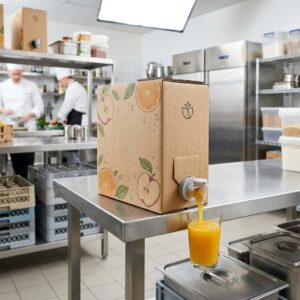
These products may require robust dispensing performance and appropriate barrier protection during storage after opening. Evaluate whether the chosen closure is used for direct dispensing, connection to equipment or one-time transfer. The outer carton should also match the expected distribution and end-use handling conditions.
Fitments, Valves and Filling Equipment
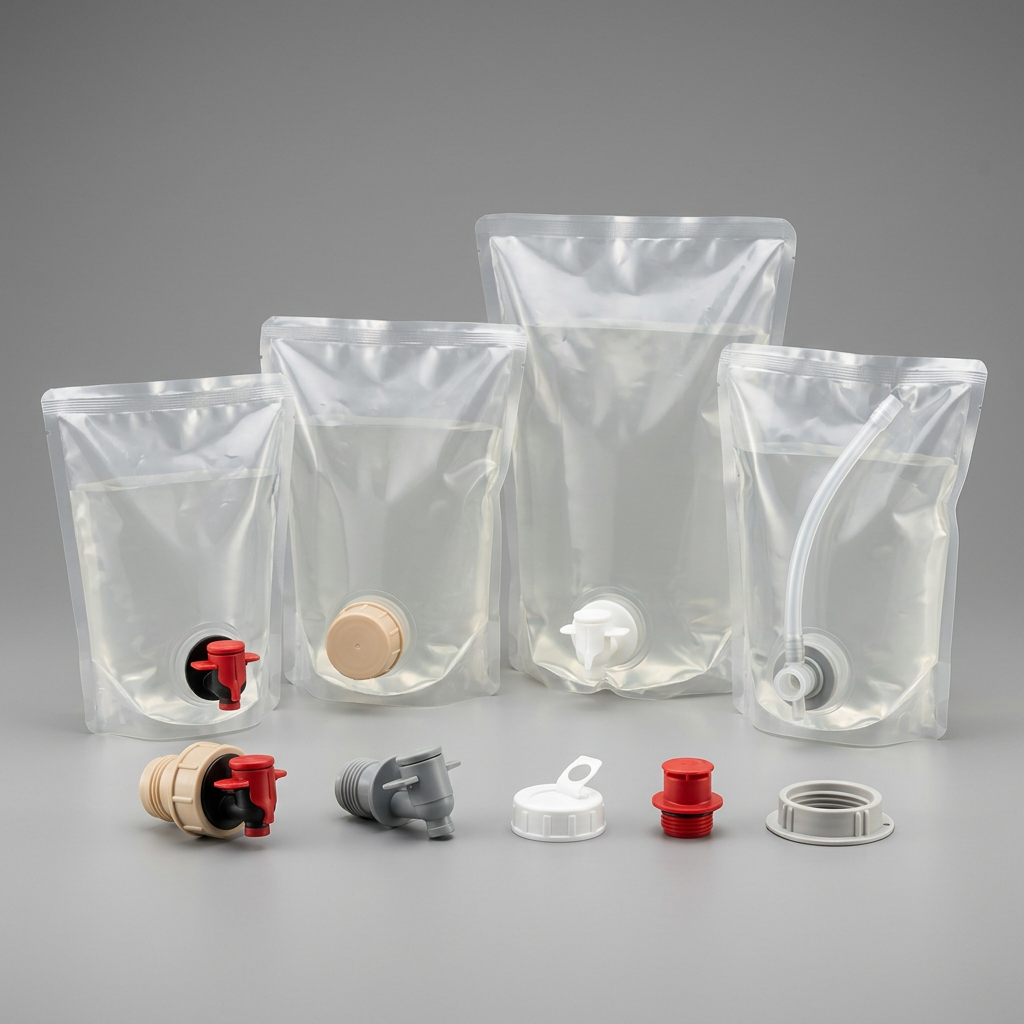
The fitment is the rigid plastic component attached to the flexible bag that enables filling, sealing, dispensing or connection to equipment. Depending on the application, a bag-in-box system may use a gland, cap, screw closure, dispensing tap, valve or other specialized connector. The fitment selection should be based on the filling head, product flow characteristics, intended user interaction and sanitation requirements.
For aseptic applications, the fitment and cap arrangement must be specifically compatible with the aseptic filler and its operating method. The filler manufacturer may have approved or preferred fitment formats. Engage the filler provider early, because changing a closure after line qualification can create additional testing and operational work.
For hot-fill applications, check that the fitting, attachment area and closure maintain integrity through heating and cooling. A product that is thick, pulpy or particulate-bearing may require a larger flow path than a clear liquid. Conversely, a large opening can be unnecessary for a low-viscosity syrup transferred through a controlled connector.
Ask suppliers to review bag dimensions, fitment position, orientation, carton opening design and pallet handling together. The best closure is not only the one that dispenses well; it must also perform on the filler, withstand distribution and meet the end user’s operating needs.
Storage, Distribution and Secondary Packaging
Aseptic and hot-fill packaging decisions should account for the full supply chain, not only the moment of filling. Ambient storage, refrigerated storage, export transit, container conditions, warehouse stacking and after-opening use can all affect the practical packaging requirement.
The outer carton is the secondary package that holds and protects the filled bag. Carton board grade, dimensions, print layout, die-cut features and pallet pattern should be selected according to bag capacity and handling conditions. For export programs, consider the likely compression loads, moisture exposure and transfer points in the route. A high-performing inner bag can still be compromised by insufficient carton protection or poor palletization.
After opening, the product’s exposure to oxygen and handling conditions can become especially important. A dispensing system that minimizes unnecessary air ingress may be helpful for some products, but the expected usage cycle and hygiene practices at the customer site must also be considered. Storage instructions should be established by the product owner based on validated product behavior, not copied from another product category.
When comparing supply partners, evaluate their ability to discuss material, carton and filling compatibility in a structured way. This overview of leading bag-in-box manufacturers may help procurement teams identify common sourcing criteria for their evaluation process.
Procurement and Validation Checklist
Before requesting quotations or samples, prepare a concise technical brief. Clear input reduces the risk of selecting a bag structure that looks suitable on paper but does not align with the filling operation.
- Product details: Identify liquid type, pH range where relevant, viscosity, solids, fat content, particulates, flavor sensitivity and any known compatibility concerns.
- Process details: State whether the intended route is aseptic or hot fill, the expected filling conditions, filler type, fitment interface and cooling method.
- Pack configuration: Specify target bag capacity, bag dimensions if established, preferred fitment or valve, carton format and dispensing requirements.
- Storage and logistics: Describe ambient or cold-chain storage, destination market, transport route, pallet configuration and expected stacking conditions.
- Commercial requirements: Provide printing needs, artwork status, forecast quantity and purchase schedule so the supplier can assess the requested configuration.
Request samples and conduct line trials under representative conditions whenever possible. Relevant checks may include filling behavior, seal appearance, leak testing, drop or handling evaluation, carton performance, dispensing behavior and product quality monitoring over the intended storage period. The exact testing plan should be set by the product owner and filler based on risk assessment.
For supplier due diligence, technical capability is only one part of the decision. Review communication quality, change-control practices, packaging documentation, sample consistency and willingness to align the bag specification with the filling process. Procurement teams can use a broader bag-in-box manufacturer comparison guide as one input while conducting their own qualification.
Making the Right Choice
The aseptic vs hot-fill bag-in-box decision should be made from the product process outward. Choose aseptic packaging when your validated process requires a pre-sterilized package and controlled aseptic filling environment. Choose hot-fill packaging when your validated product and filling process rely on elevated filling temperatures and the package is designed for those conditions.
In both cases, success depends on matching the liquid, multilayer bag, barrier level, fitment, carton and filling equipment. Final material selection should always be confirmed with the packaging supplier and the actual filling process. This is particularly important for low-acid products, sensitive formulations, viscous products, particulate-containing products and export supply chains.