目录
- What bag-in-box packaging materials include
- Start with the beverage and its risk factors
- Select oxygen, moisture, aroma, and light barriers
- Consider filling and processing conditions
- Match the bag film with the fitment or dispensing valve
- Evaluate the outer carton and logistics environment
- Validate the specification before procurement
- Common material-selection mistakes to avoid
A practical B2B guide to selecting bag-in-box packaging materials for juices, wine, dairy, concentrates, water, and other beverages. Review barrier needs, filling conditions, fitments, storage, and validation before procurement.
What Bag-in-Box Packaging Materials Include
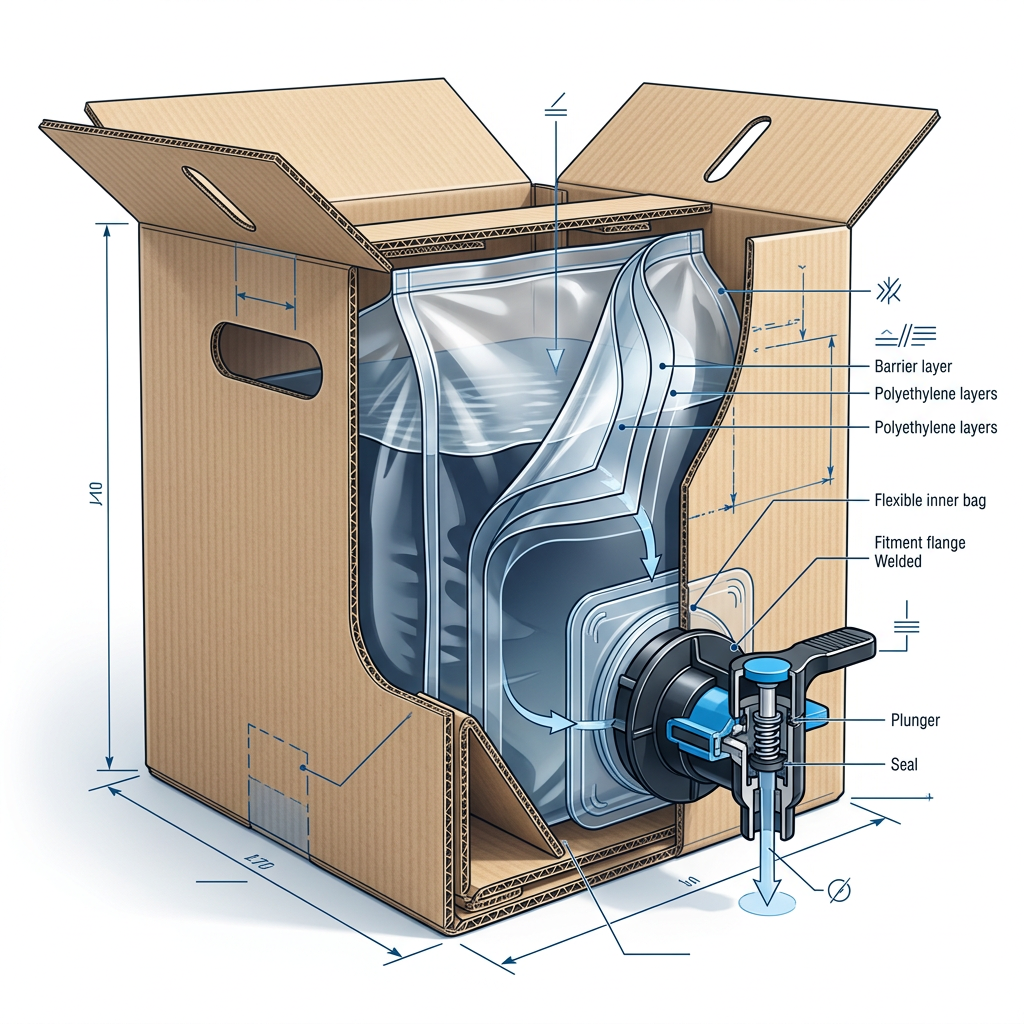
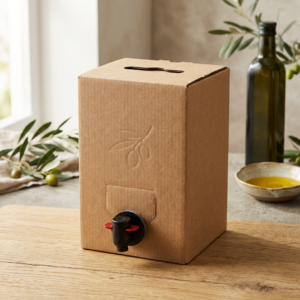
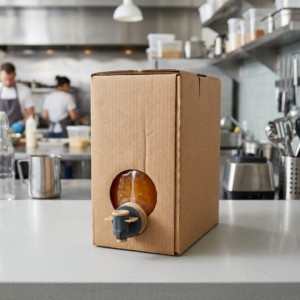
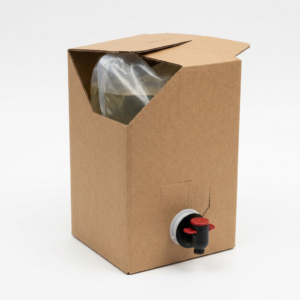
Bag-in-box packaging materials for beverages should be selected as a system, not as a bag film alone. Bag-in-box, often shortened to BIB, is a liquid-packaging format made of a flexible inner bag, a dispensing fitment or valve, and a protective outer carton. The bag holds the beverage, the fitment controls filling and dispensing, and the carton supports handling, stacking, and retail or foodservice presentation.
For beverage buyers, material selection primarily determines whether the pack can protect product quality from filling through distribution and use. The key technical term is barrier: a material’s ability to slow the passage of gases, water vapor, light, or aroma compounds. A suitable barrier structure helps manage oxidation, flavor change, moisture movement, and odor transfer, but the appropriate level depends on the beverage formula, intended shelf life, filling method, and storage conditions.
The flexible bag is commonly a multilayer construction. Different layers can provide heat sealing, mechanical strength, puncture resistance, print or light protection, and barrier performance. The outer carton is usually corrugated board selected around bag capacity, supply-chain handling, and storage requirements. For a foundational explanation of the format and its components, see this guide to what bag-in-box packaging is.
Final material selection should always be confirmed with the packaging supplier and the actual filling process. Product compatibility testing is particularly important for acidic drinks, alcohol-containing beverages, dairy products, concentrates, and products processed at elevated temperature.
Start With the Beverage and Its Risk Factors
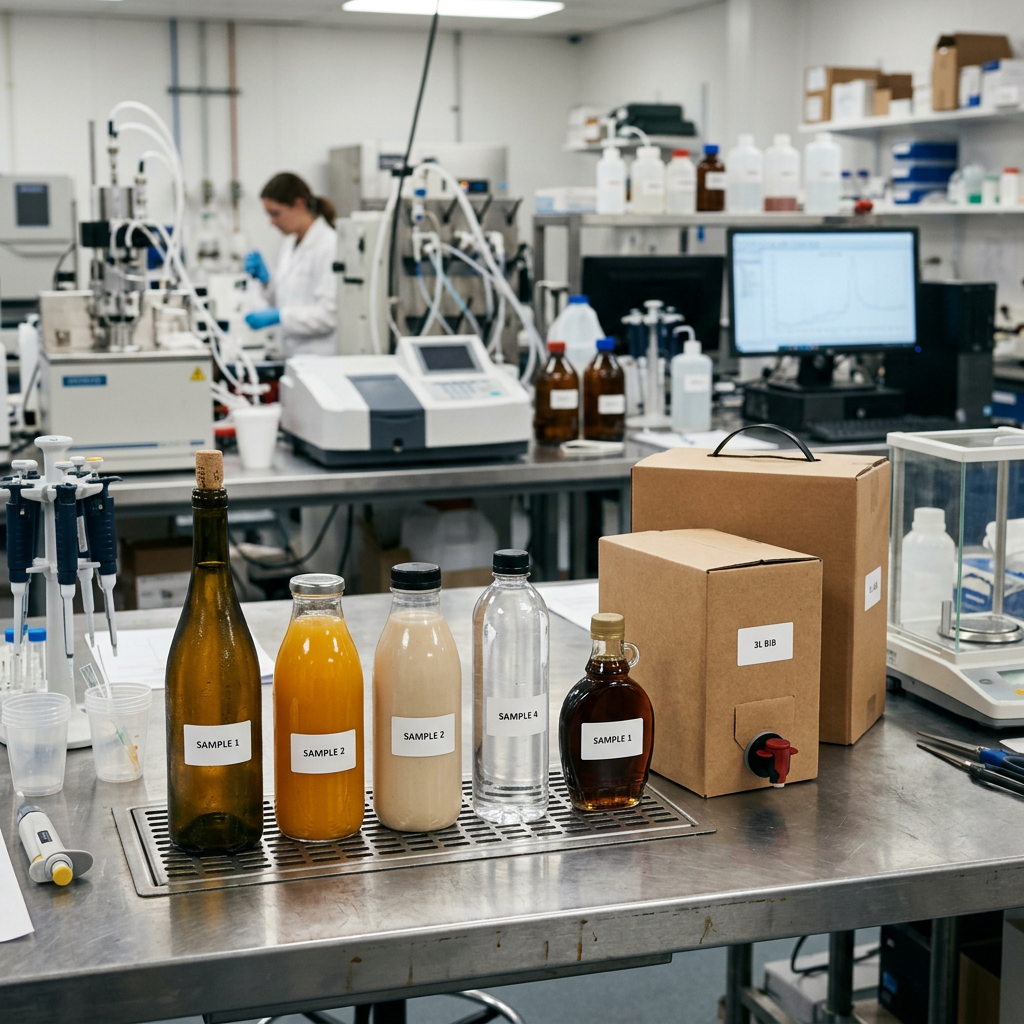
Begin with the liquid, because a material that works for one beverage may not be appropriate for another. Procurement teams should provide the supplier with a concise product brief covering ingredients, pH where available, alcohol content, fat or oil content, carbonation status, preservatives, processing conditions, intended shelf life, and distribution markets. This information allows the supplier to identify compatibility questions before tooling, sampling, or production.
Juice, smoothies, and fruit-based beverages
Fruit drinks can be sensitive to oxygen exposure, aroma loss, and color change. Acidic formulations may also require careful review of the sealant layer and fitment interface. Where pulp or particulates are present, the dispensing opening and valve design need to accommodate the product’s flow behavior without repeated clogging.
Wine, cocktails, and alcoholic beverages
Wine and ready-to-serve alcoholic drinks commonly require attention to oxygen management and flavor preservation. Alcohol can affect compatibility with some materials, inks, adhesives, or closure components, so the full pack specification—not only the bag film—should be reviewed. The expected duration between filling and consumption is relevant when setting the barrier target.
Dairy, plant-based, and nutritional beverages
These products may be sensitive to oxygen, light, and aroma pickup. Their processing route is equally important: refrigerated filling, pasteurization, or aseptic processing create different demands on materials and hygiene controls. Do not assume that a standard beverage bag is appropriate for a product requiring a specific thermal or aseptic filling method.
Water, syrups, concentrates, and foodservice drinks
Still water may have a less demanding barrier profile than flavor-sensitive beverages, while syrups and concentrates may need higher puncture resistance or a fitment designed for controlled pouring. Viscosity—the resistance of a liquid to flow—should be considered when selecting the dispensing diameter and valve style.
Select Oxygen, Moisture, Aroma, and Light Barriers
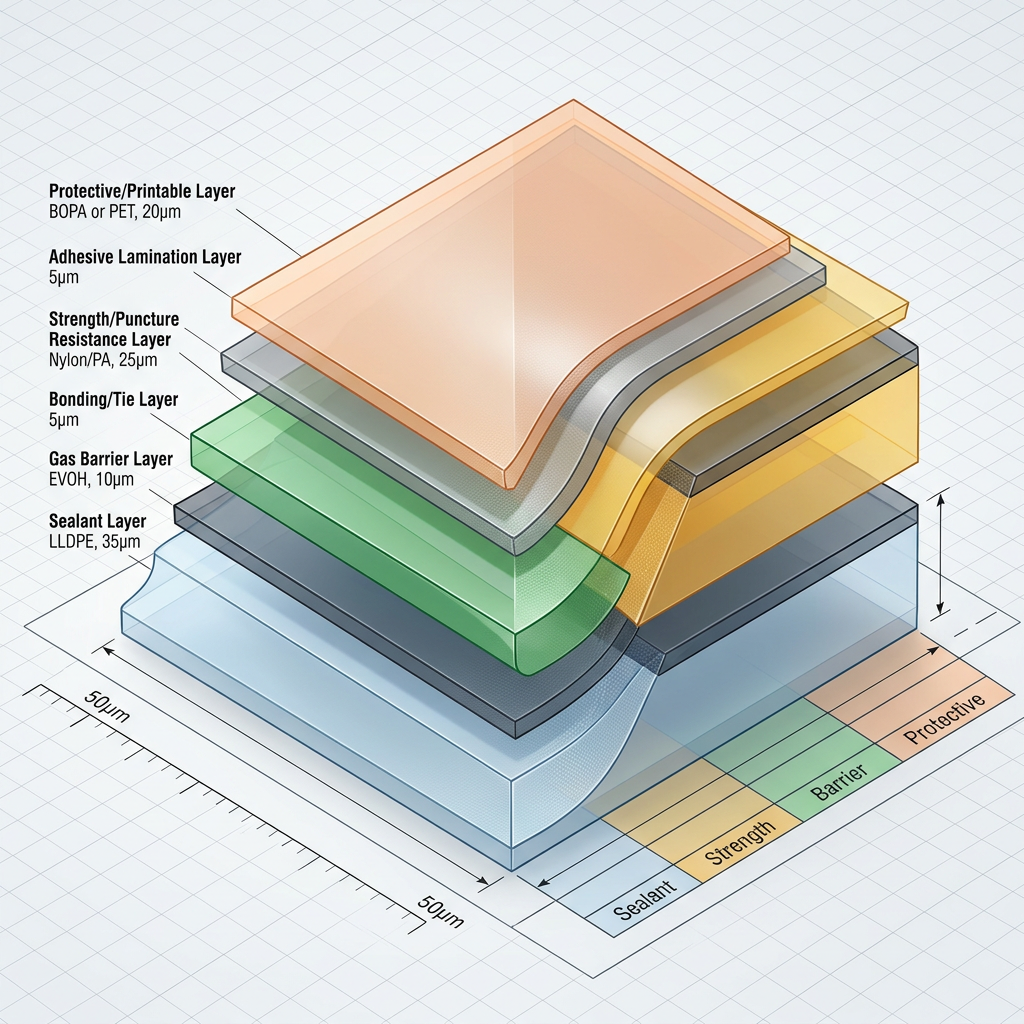
Once the beverage risks are defined, specify the required protection functions. An overly simple structure can leave a sensitive beverage exposed during storage. Conversely, adding barrier layers without a demonstrated need can increase complexity and cost. The practical objective is to select a structure that fits the beverage, pack size, filling route, and supply chain.
Oxygen barrier is the ability to reduce oxygen transmission into the pack. It is often important for products subject to oxidation, flavor deterioration, or color change. Moisture barrier limits water-vapor movement and may matter when a beverage or concentrate must maintain a controlled water balance. Aroma barrier helps retain desirable flavor compounds and reduce the risk of odor transfer. Light barrier reduces exposure to light that may affect sensitive ingredients; it can be provided by the bag construction, the carton, or both depending on the design.
Common flexible packaging constructions may combine polyethylene-based sealant layers with barrier materials such as metallized films, aluminum foil, or specialized polymer barrier layers. Each option involves trade-offs. Foil-based structures can provide strong light and gas protection but may be less suitable where fold resistance, pack appearance, or processing requirements point to another solution. Metallized and high-barrier polymer structures may be considered where a different balance of flexibility, visibility, barrier, and material design is needed.
Ask the supplier to explain the function of each layer in the proposed structure. This helps purchasing, quality, and technical teams compare alternatives on a like-for-like basis rather than selecting by film thickness alone. Thickness is only one variable; resin type, layer arrangement, laminate bond, seal design, and fitment integration also influence final performance.
Consider Filling and Processing Conditions Before Choosing Film
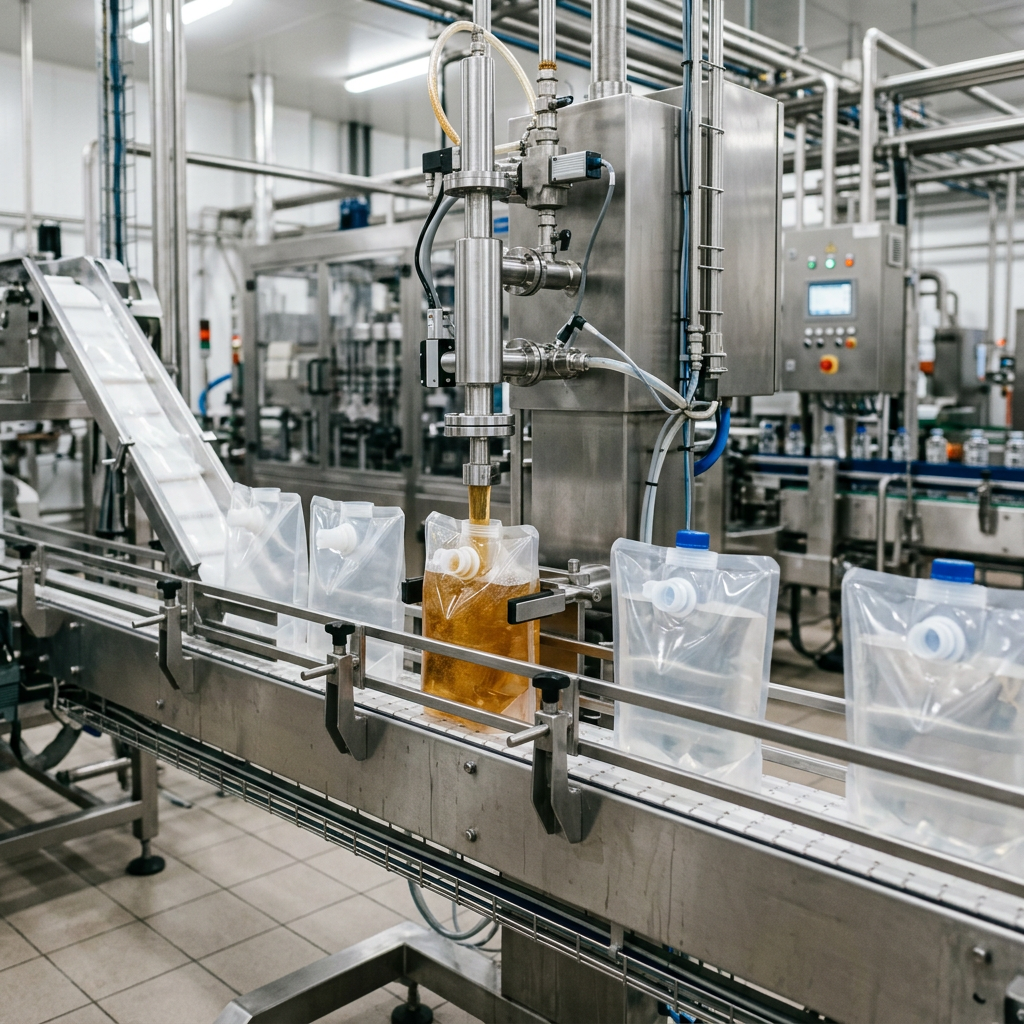
The bag material must work with the filling operation. Important variables include fill temperature, product temperature at sealing, filling speed, headspace management, cleaning practices, and whether the operation is ambient, hot-fill, pasteurized, or aseptic. Aseptic packaging refers to a system in which commercially sterile product is filled into a sterilized package under controlled conditions. It requires coordinated validation of the bag, fitment, sterilization approach, and filling equipment.
For hot-filled beverages, the sealing layers and laminate construction must be evaluated for the actual temperature and dwell time used by the filler. For ambient-filled products, a different material balance may be possible, but product preservation requirements still apply. If the product is chilled, refrigerated storage and condensation exposure should be considered for the outer carton as well as the bag.
Seal integrity deserves focused attention. A seal can be affected by product residue in the seal area, variation in filling parameters, fitment welding or insertion methods, and bag handling after filling. A technically appropriate material can still perform poorly if the pack is not compatible with the filling line or if the sealing window is not validated. The sealing window is the range of processing conditions that produces reliable seals.
Provide your supplier with bag dimensions, target capacity, filling equipment type, desired fitment location, and any existing line constraints. Early technical alignment reduces the chance of selecting a structure that is difficult to fill or dispense in practice.
Match the Bag Film With the Fitment or Dispensing Valve
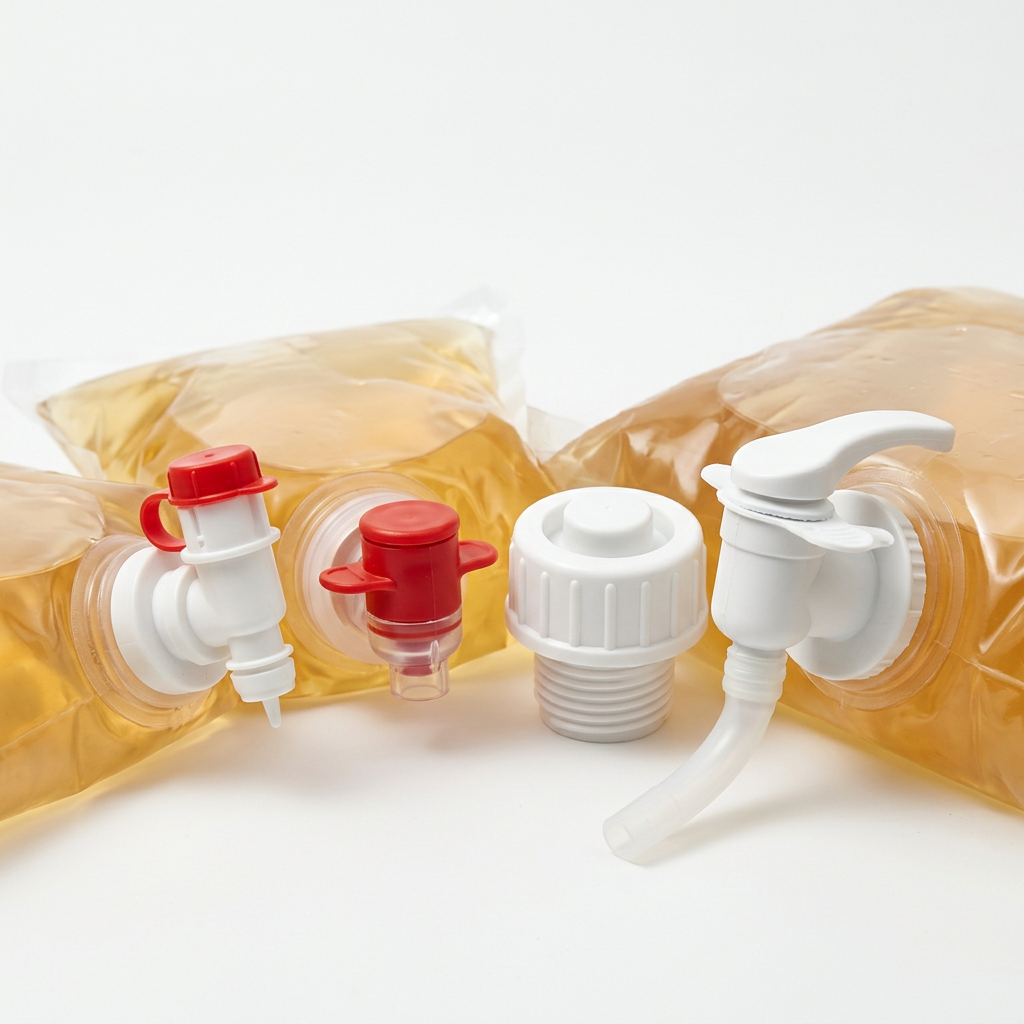
The fitment is the molded component attached to the bag for filling, dispensing, or both. A valve is a closure or dispensing component designed to control product flow. Fitment selection should be made alongside the film specification because the attachment area, sealing method, opening size, and product-contact requirements affect pack performance.
For low-viscosity beverages, buyers may prioritize clean pouring, controlled flow, and a closure that supports the intended end use. For concentrates, syrups, or thick beverages, the opening and valve should be reviewed for flow rate, residue buildup, and user handling. Foodservice dispensing may require a different fitment concept from a consumer pour spout or a beverage system connection.
Consider whether the pack will be opened once, repeatedly dispensed over time, or connected to equipment. Also define fitment position—top, corner, or other configuration—because position can affect filling, carton orientation, product evacuation, and end-user convenience. The best layout is often determined by the customer’s filling line and the way the beverage is dispensed at its destination.
Specify the complete interface: bag structure, fitment resin and design, cap or valve arrangement, attachment method, and carton cutout. Compatibility should be evaluated using the actual beverage and intended dispensing process, not a substitute liquid alone.
Evaluate the Outer Carton and Logistics Environment
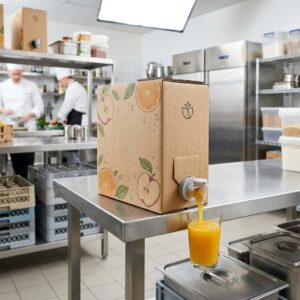
The outer carton is not merely a shipping box. In bag-in-box packaging, it supports the filled bag, protects it from external damage, provides a dispensing opening, and may contribute to light protection and brand communication. Carton specification should be aligned with bag capacity, product weight, pallet pattern, warehouse conditions, and the likely handling route from filling site to destination market.
Review stacking conditions, long-distance transport, humidity exposure, cold-chain use where applicable, and whether cartons will be displayed in retail or foodservice environments. Corrugated board can lose strength when exposed to moisture, so storage conditions and secondary wrapping should be discussed where humidity or condensation is likely. Carton dimensions also need to allow proper bag placement without excessive empty space that could increase movement during transport.
Printing requirements should be defined early. Provide artwork requirements, required languages, regulatory labeling content, barcode needs, and destination-market expectations. Printed carton design must remain practical for the production method and should not obscure operational information such as fill orientation or dispensing instructions.
For buyers comparing sourcing options, supplier capability should be assessed beyond a sample appearance. Review relevant manufacturing experience, technical communication, quality documentation available for the project, and the supplier’s ability to coordinate bag, fitment, and carton requirements. This overview of bag-in-box manufacturers and sourcing considerations can help structure an initial supplier review.
Validate the Specification Before Procurement
Before issuing a purchase order, convert the material decision into a clear, controlled specification. It should identify the beverage application, bag capacity and dimensions, film construction or agreed functional requirements, fitment type and position, carton style, print requirements, packing configuration, and destination market. Include the applicable acceptance criteria for the project rather than relying on a generic description such as “high barrier bag.”
A practical validation plan may include sample review, filling-line trials, seal checks, dispensing trials, transport simulation appropriate to the route, and stored-product evaluation. The scope should reflect the product’s risk profile. For example, a long-storage, oxygen-sensitive beverage deserves a more rigorous assessment than an application with short, controlled distribution.
Testing should evaluate the finished pack, not individual components in isolation. A film may have a suitable nominal barrier, but performance can be undermined by a poor fitment attachment, an unsuitable carton opening, inadequate handling, or filling parameters outside the agreed process range. Record trial conditions so that future production can be compared to the approved setup.
At HUACANG Packaging Manufacturing Co., Ltd., beverage bag-in-box projects can be discussed around the full flexible-packaging system, including material structure, printing, and application requirements. Final recommendations remain subject to review of the liquid, filling method, fitment needs, and intended storage and distribution conditions.
Common Material-Selection Mistakes to Avoid
Choosing by capacity alone: Two bags with the same volume can require different constructions when their beverages, fill temperatures, or distribution environments differ.
Using “high barrier” as an undefined requirement: Clarify what needs protection—oxygen, light, aroma, moisture, or a combination—and connect that requirement to the product’s intended storage period.
Separating bag, fitment, and carton decisions: These components interact during filling, transport, dispensing, and end use. Evaluate them as one packaging system.
Ignoring the filling line: Film and seal performance are process-dependent. Involve filling operations before approving a material structure.
Approving a sample without product trials: Appearance and dimensional checks are useful, but they do not replace tests with the real beverage under representative conditions.
Leaving destination-market details until late: Labeling, language, transport route, climate, and customer dispensing expectations can all influence the final specification.
The most reliable route is a structured brief, an application-specific proposal, and validation with the packaging supplier and filling process before full-scale purchasing.