Table of Contents
- Start With the Product and Distribution Model
- Confirm Bag Material and Barrier Requirements
- Specify the Fitment, Valve and Dispensing System
- Align the Package With the Filling Process
- Review Storage, Transport and End-Use Conditions
- Set Printing, Quality and Documentation Requirements
- Prepare a Complete Supplier Brief
- Conclusion
A practical bag-in-box packaging procurement checklist for beverage brands and contract packers evaluating bag materials, barrier performance, fitments, filling conditions, storage, printing and supplier capability.
Start With the Product and Distribution Model
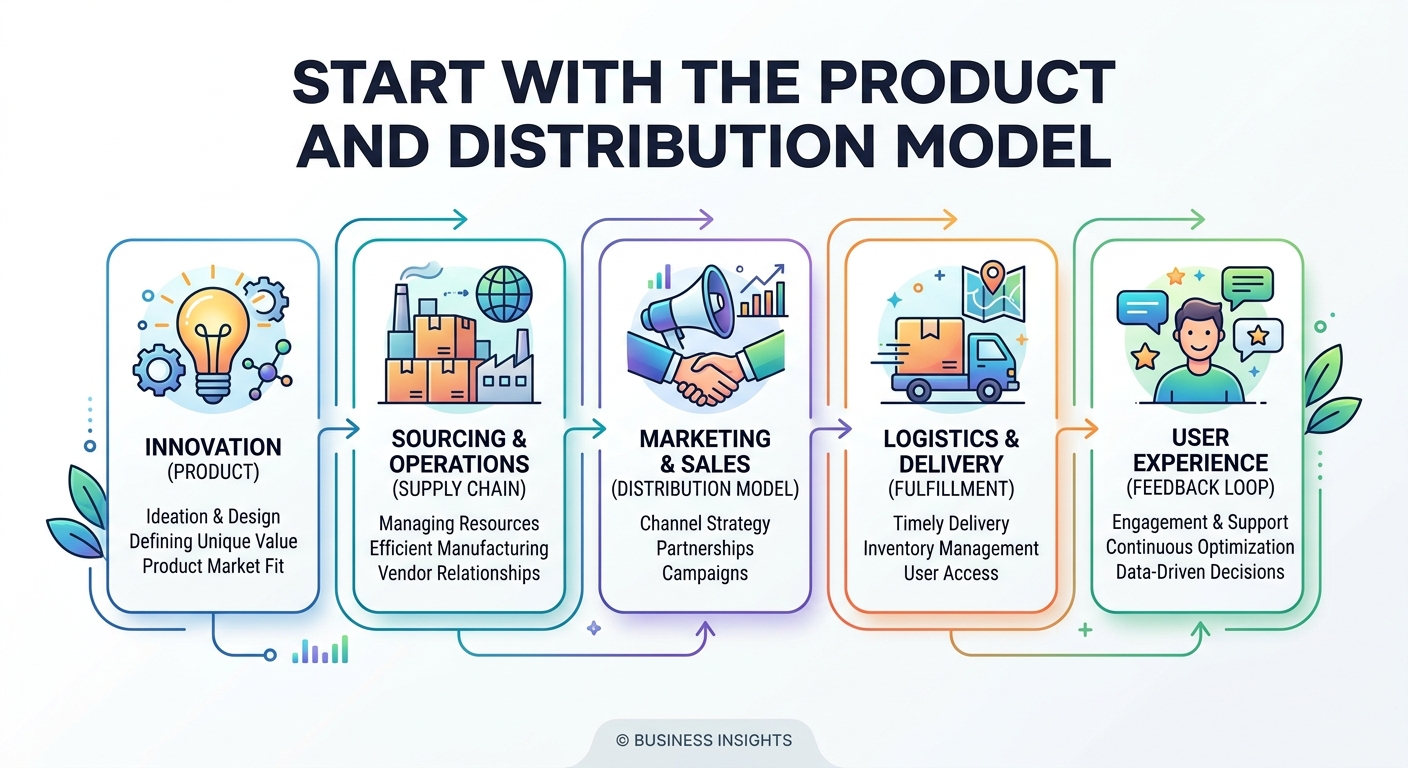
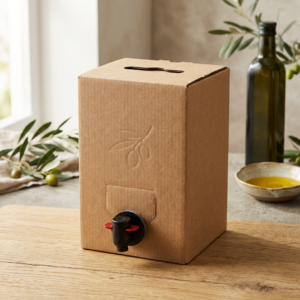
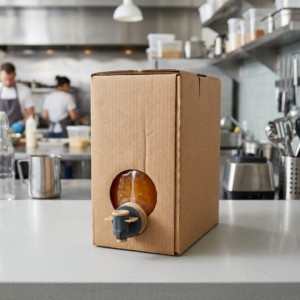
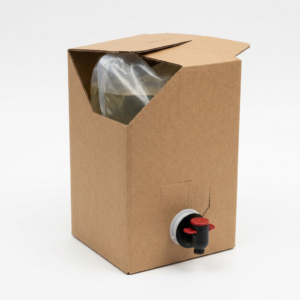
A Bag-in-Box packaging procurement checklist helps brands and contract packers convert product, filling and distribution requirements into a package specification that suppliers can quote and validate. Bag-in-box packaging is a liquid packaging system consisting of a flexible inner bag, a dispensing fitment and an outer protective carton. The bag holds the product, the fitment controls filling or dispensing, and the carton provides structural support during handling.
Before requesting samples or pricing, document the product and its route to market. Record the liquid name, ingredients, acidity, alcohol content where applicable, viscosity, sensitivity to oxygen or light, expected shelf life, fill volume and intended opening method. Also identify whether the product will be sold to consumers, foodservice operators, industrial users or another business.
These details affect the film structure, barrier level, fitment, carton format and filling method. A package suitable for a short-distribution foodservice application may not be suitable for a light-sensitive beverage intended for extended ambient storage. For a basic explanation of the system, review what bag-in-box packaging is before finalizing your procurement brief.
Information to collect first
- Product composition and known package-compatibility concerns
- Nominal fill volume and acceptable fill-weight tolerance
- Target shelf life and expected storage temperature
- Filling location, equipment type and processing method
- Distribution route, transport conditions and destination market
- Dispensing format, closure requirements and user environment
Confirm Bag Material and Barrier Requirements
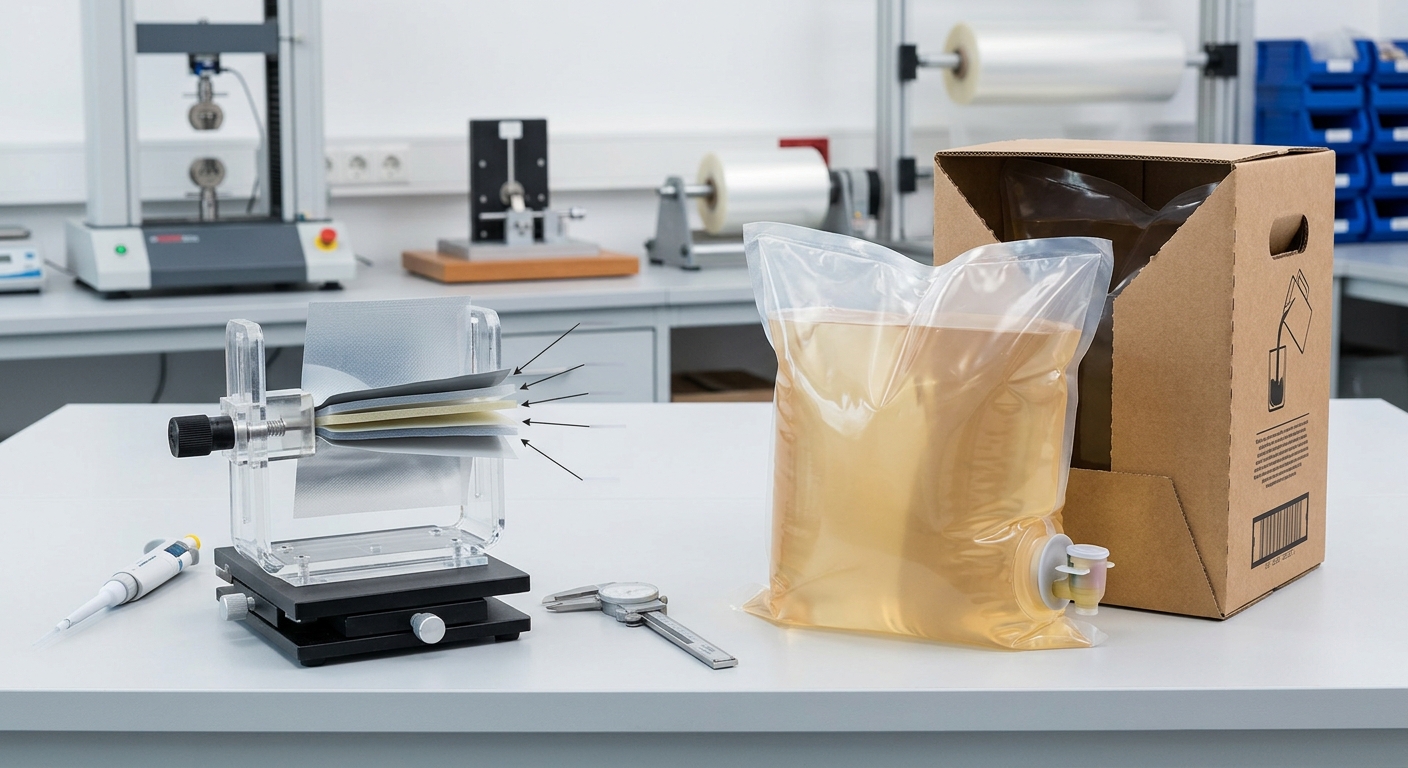
The inner bag is usually made from one or more flexible film layers. A film structure is the combination of layers selected to provide sealing, strength, product compatibility and protection. Barrier means the package’s resistance to the movement of oxygen, light, moisture or other gases through the material. Barrier selection should be based on the product and the required shelf life, not on a generic preference for the highest available barrier.
Ask the supplier to identify the proposed film structure and the function of each layer. The sealing layer must form reliable seals under the planned filling conditions. Structural layers should tolerate handling, folding and the pressure created by the filled product. If the liquid is sensitive to oxygen or light, discuss whether an appropriate oxygen or light barrier is needed. For products with oils, acids, alcohol or other aggressive ingredients, request compatibility review and, where appropriate, product-filled validation.
Do not treat film thickness as a complete measure of package performance. A thicker film may improve handling in some applications, but it does not by itself confirm the required barrier, seal integrity or compatibility. Ask for the supplier’s applicable technical data, test approach and recommended validation process.
For beverage applications, the guide on choosing bag-in-box packaging materials can help structure discussions about beverages, concentrates, dairy products, wine and water.
Material questions for the supplier
- What film structure is proposed, and what does each layer do?
- What barrier properties are relevant to this product and shelf-life target?
- Has the structure been reviewed for the product’s chemistry and viscosity?
- What seal-width, seal-strength and leak-testing criteria apply?
- How will the bag be protected from puncture or abrasion during packing and transport?
Specify the Fitment, Valve and Dispensing System
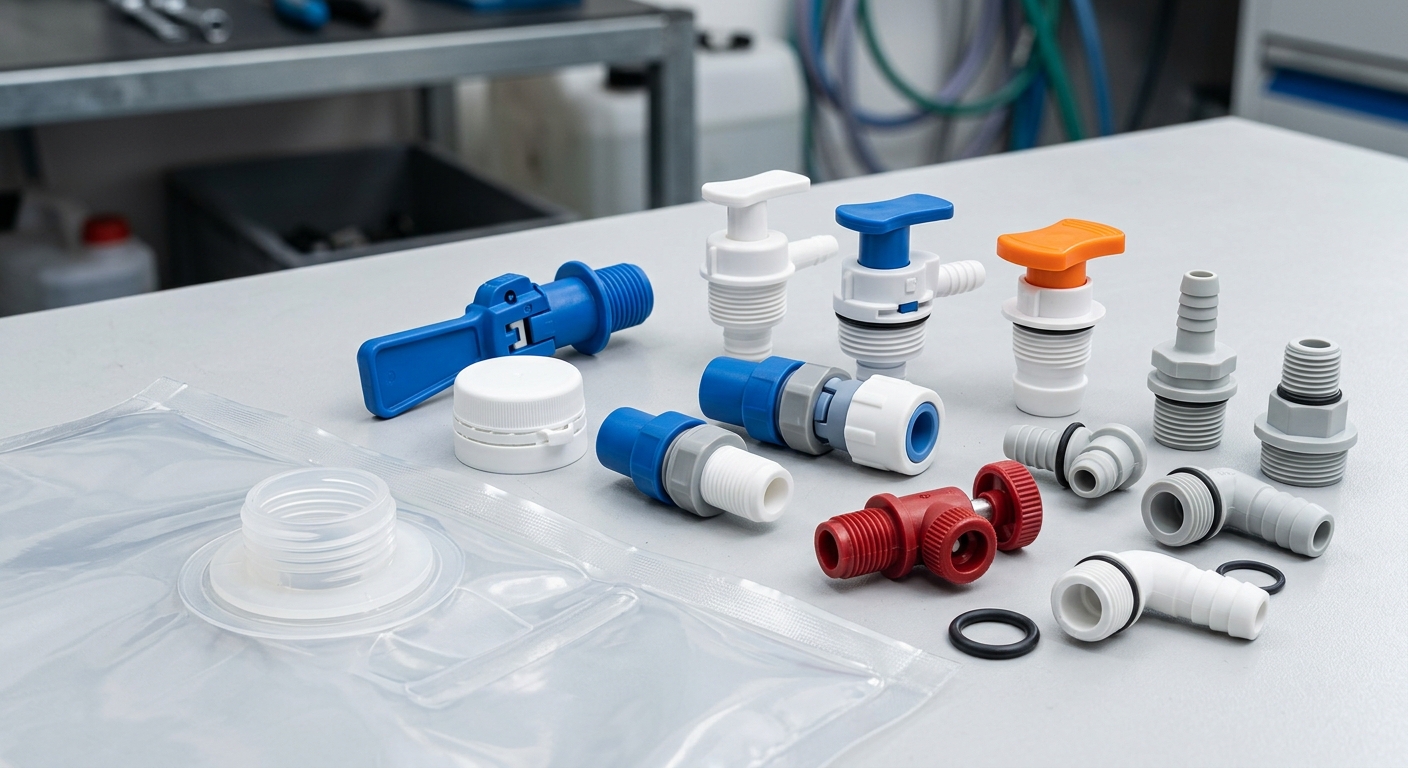
A fitment is the component attached to the bag that enables filling, connection or dispensing. A valve is the opening-and-closing mechanism used to control product flow. Fitment selection affects filling compatibility, equipment connection, user handling, residual product and the risk of leakage after opening.
Document whether the bag will be filled through a separate filling port, dispensed through the same connection or used with an adapter, tap or pump. Provide the required connection type, opening dimensions, closure style, orientation and location on the bag. The contract packer’s equipment should be checked against the supplier’s fitment drawings before production approval.
Consider the user’s actual workflow. A foodservice format may need fast connection and controlled dispensing. A concentrate may need a connection compatible with dosing equipment. A consumer product may require a simple opening and resealing approach. The right specification depends on the application rather than on the fitment name alone.
Fitment and valve checklist
- Filling connection and equipment interface
- Dispensing connection, tap, pump or adapter requirement
- Fitment location and orientation
- Closure and resealing expectations
- Product viscosity and flow behavior
- Leak testing before shipment and after simulated handling
Request dimensional drawings and physical samples for line trials. Final fitment selection should be confirmed with both the packaging supplier and the filling equipment operator.
Align the Package With the Filling Process
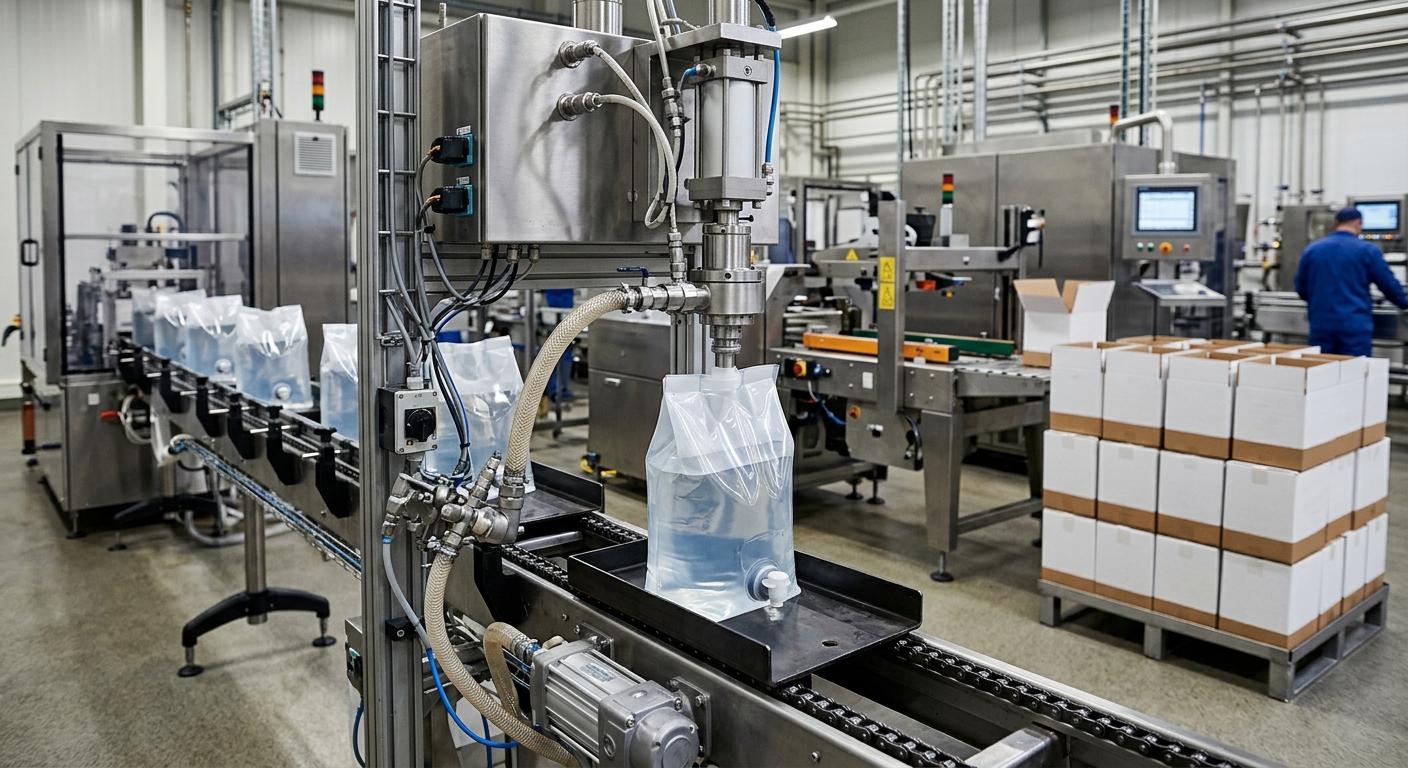
The filling process is the method used to transfer product into the bag and close or connect the package. Procurement decisions should be made with the actual filler, product temperature and sanitation procedure in view. A package specification that works on paper may require adjustment if the filling line uses different connection dimensions, sealing conditions or handling steps.
Record whether the product is filled cold, hot-filled or processed using an aseptic approach. Hot filling uses an elevated product temperature to support the intended preservation process; aseptic packaging uses controlled product and package sanitation conditions. These terms describe different process requirements and should not be treated as interchangeable. Read the guide to aseptic versus hot-fill bag-in-box packaging when evaluating shelf-stable liquid applications.
Ask the supplier and filler to review fill temperature, dwell time, headspace, seal formation, bag evacuation, fitment insertion, package orientation and cooling or conditioning steps. Define how filled bags will be inspected for leaks, incomplete seals, damaged fitments and incorrect fill levels.
Run representative trials using the actual product where feasible. The trial should cover the intended filling speed, temperature range, closure procedure and downstream carton packing. Final material and process selection must be confirmed by the packaging supplier and filling process owner.
Review Storage, Transport and End-Use Conditions
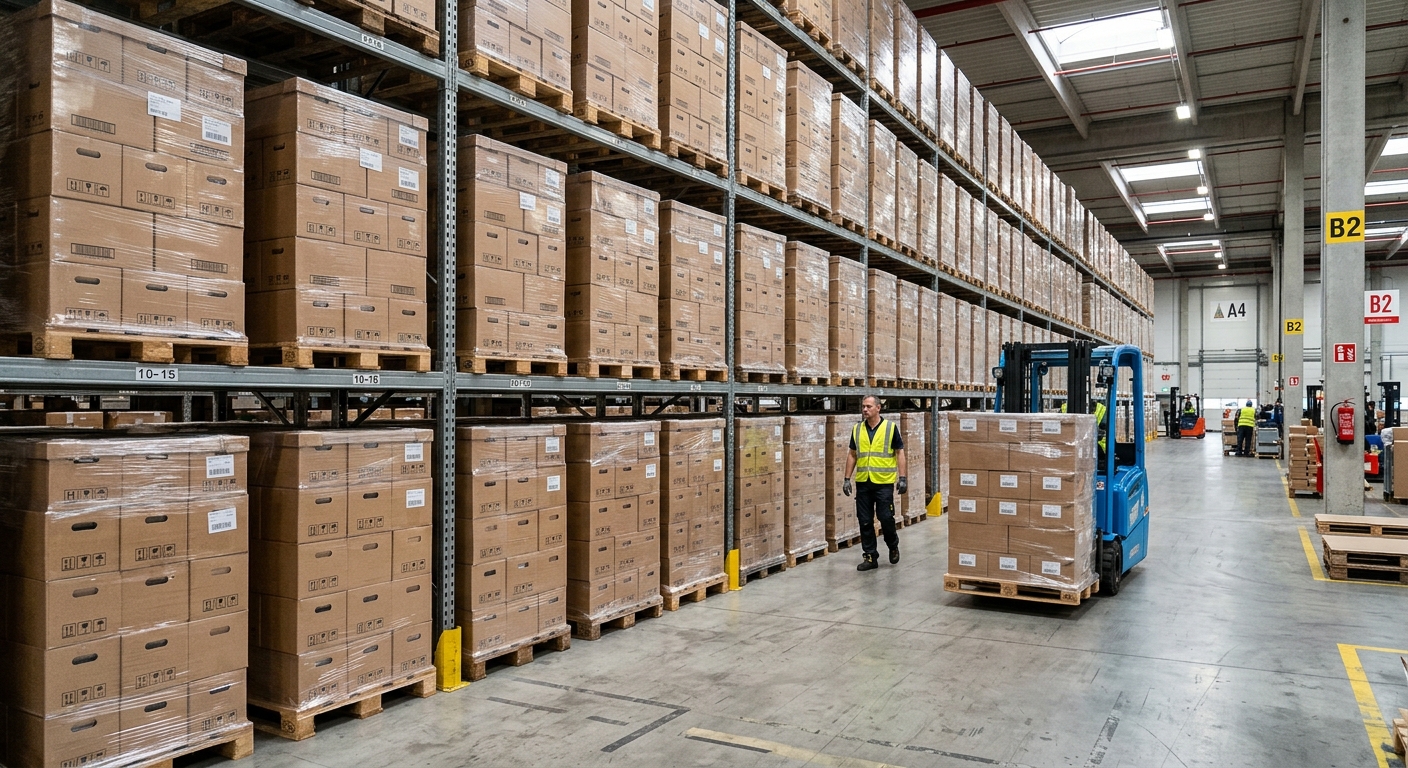
Packaging performance depends on the complete distribution system. Define whether filled bags will be stored refrigerated, frozen or at ambient temperature, and identify expected exposure to heat, cold, sunlight, humidity, stacking pressure and vibration. State the planned storage duration and whether the product may remain partially used after opening.
Check the carton dimensions, pallet pattern, stacking limits and handling equipment used by the warehouse and contract packer. The carton should support the filled bag without creating concentrated pressure on the fitment or seals. Confirm that the bag and carton can be moved through the intended loading, unloading and retail or foodservice workflow.
For export shipments, include the destination market, transport mode, route conditions and required shipping documentation in the supplier brief. Packaging should be evaluated in the form in which it will actually be distributed, including the carton, pallet and any secondary protection.
Questions to resolve before purchase
- What temperatures and humidity conditions may occur during storage?
- Will the package be exposed to direct light or prolonged heat?
- How many cartons will be stacked, and for how long?
- Could the fitment contact adjacent cartons or pallet structures?
- How will opened product be stored and dispensed?
Set Printing, Quality and Documentation Requirements
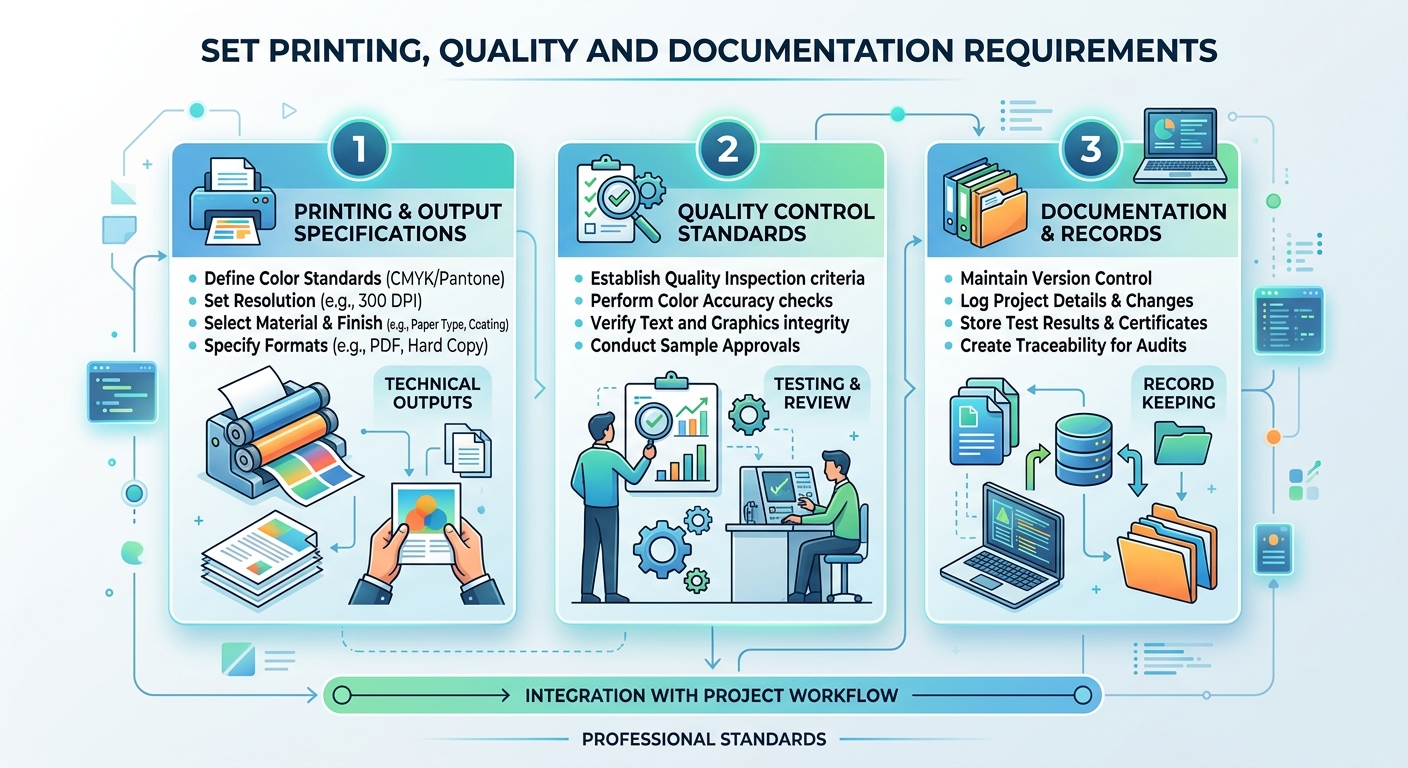
Printing requirements should be separated from functional packaging requirements. Specify the printed surfaces, artwork format, color references, barcode location, variable-data area, regulatory text and language versions. Confirm whether the carton, bag or both will carry the primary product information. Artwork approval should include checks for fitment placement, seal areas and areas hidden by the carton.
Quality requirements should be measurable and agreed before production. Depending on the application, the purchase specification may address bag dimensions, film structure, fitment dimensions, seal appearance, leak inspection, print registration, color tolerance, carton dimensions, packing method and identification of production lots. Ask what inspection records or batch information will accompany the shipment.
Request samples that represent the proposed production structure. A flat film sample can help review appearance, but a filled bag and assembled carton are more useful for checking dimensions, handling and dispensing. Keep an approved reference sample and written specification for repeat orders.
HUACANG Packaging Manufacturing Co., Ltd. is based in Guangzhou, China, was established in 1998 and operates a 15,000-square-meter facility with 9-color printing and laminating lines. When assessing any supplier, including HUACANG, buyers should still compare the supplier’s documented process capability with the specific product, format and destination-market requirements.
Prepare a Complete Supplier Brief
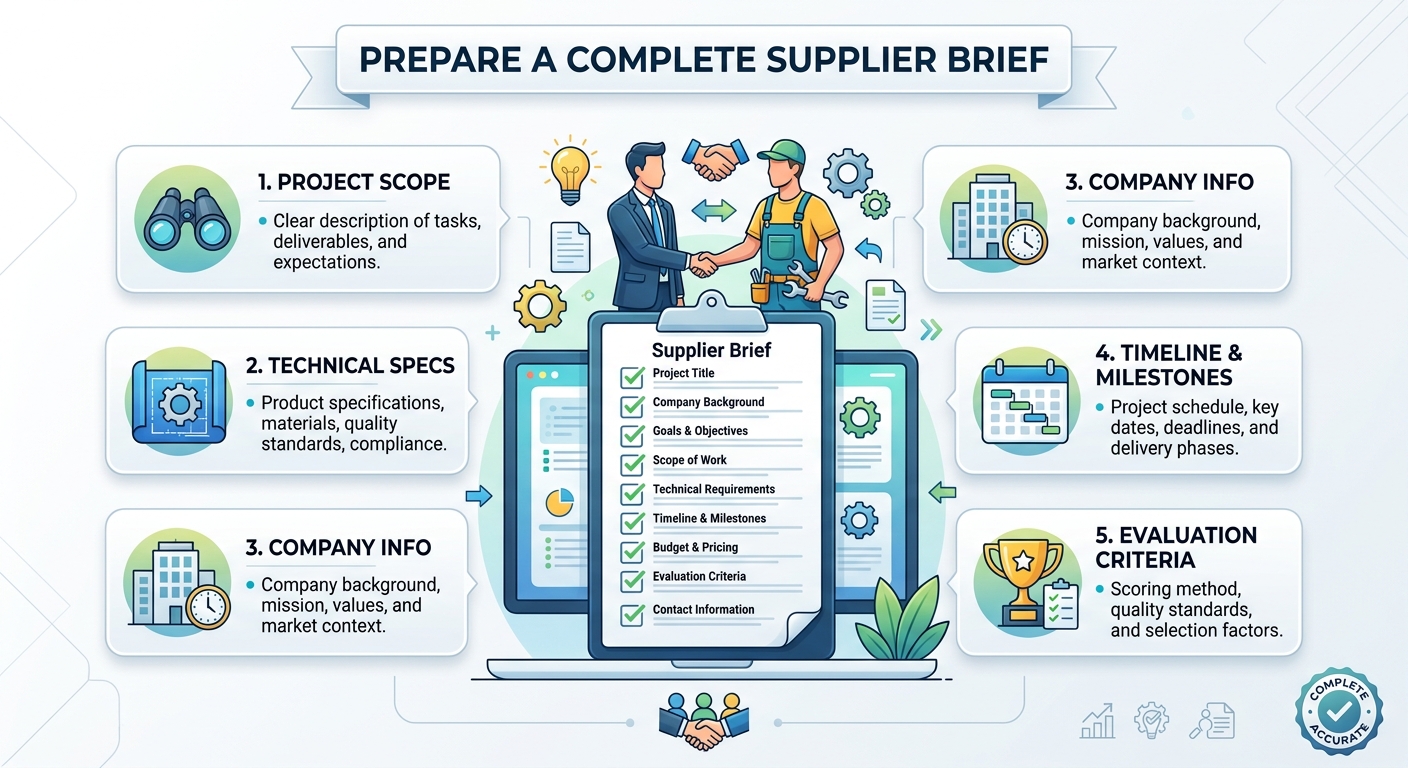
A supplier can provide a more useful quotation when the request includes technical and commercial information together. Send the product description, fill volume, target shelf life, filling method, temperature range, fitment requirements, carton format, artwork status, estimated quantity, order frequency and destination market.
Ask each supplier to identify assumptions and exclusions. Clarify whether the quotation covers film, fitments, cartons, printing plates or cylinders, samples, testing, packing, documentation and shipment preparation. Do not compare offers only by unit price: a technically incomplete quotation may omit components needed for filling or distribution.
Before approval, request a specification sheet, fitment drawing, artwork proof and sample plan. Establish who owns compatibility testing and who approves changes to film, fitments, inks, adhesives or carton materials. For contract packers, document the handoff between the brand, filler and packaging supplier so that no critical requirement is lost.
A practical procurement checklist should end with a written approval record covering:
- Product and processing conditions
- Film structure and barrier rationale
- Bag capacity, dimensions and tolerances
- Fitment, valve and connection details
- Carton and pallet configuration
- Artwork and labeling requirements
- Sampling, testing and acceptance criteria
- Quantity, destination and delivery responsibilities
For broader supplier due diligence, buyers may also review this overview of bag-in-box manufacturers, while verifying all current capabilities directly with shortlisted suppliers.
Conclusion
Effective bag-in-box procurement connects the product, film, barrier, fitment, filling line, carton and distribution environment in one documented specification. Brands and contract packers should validate the package with representative product and equipment before placing a production order. Final material selection, fitment selection and process approval should always be confirmed with the packaging supplier and filling process owner.