Table of Contents
- Storage and Shipping Basics
- Protect Each Packaging Component
- Recommended Warehouse Storage Conditions
- Palletizing and Carton Handling
- Shipping and Transport Planning
- Filling and Production Controls
- Receiving and Quality Inspection
- Bag-in-Box Storage and Shipping Checklist
How to store and ship bag-in-box packaging correctly depends on protecting the flexible bag, fitment, outer carton and packaging materials from damage, contamination, moisture and excessive heat. This guide explains practical warehouse, palletizing, transport and receiving procedures for B2B buyers.
How to Store and Ship Bag-in-Box Packaging

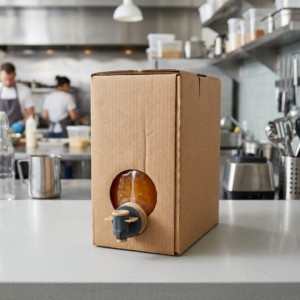
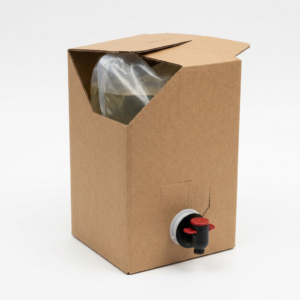
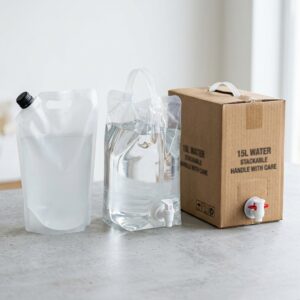
How to store and ship bag-in-box packaging safely depends on protecting every part of the system: the flexible inner bag, the dispensing fitment, the outer carton and any secondary packaging. Bag-in-box, often abbreviated as BIB, is a packaging format in which a flexible bag holds a liquid product inside a protective box or carton. A fitment is the attached opening, valve or connector used for filling and dispensing.
Empty bag-in-box packaging can be damaged before it reaches the filling line if it is exposed to moisture, dust, direct sunlight, excessive heat, compression or rough handling. Shipping conditions also matter because vibration, stacking pressure and movement can affect cartons, bag seals and fitments. A well-defined handling procedure therefore supports both packaging quality and efficient filling operations.
The correct procedure is product- and format-specific. Bag dimensions, film structure, barrier requirements, fitment design, carton strength, filling method and destination-market conditions should be reviewed with the packaging supplier and filling team before commercial production.
Protect Each Packaging Component

Bag-in-box packaging should be handled as a coordinated system rather than as a single carton. Each component has different storage and transport sensitivities.
Flexible inner bag
The inner bag is usually made from one or more flexible plastic film layers. A film structure is the combination of layers selected to provide functions such as product contact, sealing, mechanical strength or protection from oxygen and light. Keep bags in their original protective packaging until they are needed. Avoid dragging bundles across floors, placing sharp objects on them or allowing forklift tines to contact the bags.
Do not fold, crease, puncture or compress the bags unnecessarily. Sharp creases and accidental impact can create damage that may not be immediately visible. Store bags away from chemicals, oils, solvents and other materials that could contaminate or affect the packaging surface.
Fitment, valve or connector
The fitment must remain clean and protected from impact. Do not stack heavy items on exposed fitments, and avoid contact between dispensing parts and dirty warehouse surfaces. If the package uses a special valve or connector, confirm its orientation and protection method with the supplier before changing the original packing configuration.
Outer carton
The carton protects the filled bag during handling, storage and distribution. Keep cartons dry and prevent prolonged contact with wet floors or walls. Cartons that are crushed, softened or visibly contaminated should be isolated for inspection rather than sent directly to the filling line.
Recommended Warehouse Storage Conditions

A clean, orderly warehouse reduces avoidable packaging damage. Store empty bag-in-box materials in a covered, dry area with stable conditions appropriate for the film, fitment and carton. The packaging supplier should confirm the specific temperature, humidity, shelf-life and protective-packaging requirements for the selected structure.
Control heat, light and moisture
Keep packaging away from direct sunlight, heaters, steam, condensation and areas with large temperature changes. Heat and ultraviolet exposure can affect some packaging materials over time, while moisture can weaken corrugated cartons and make labels or printed surfaces harder to read. A dry indoor storage area is generally preferable to an exposed loading dock or outdoor container.
Use clean, elevated storage
Keep packaging off the floor on pallets, shelving or another clean support. Leave enough space for inspection, stock rotation and safe movement of handling equipment. Do not store packaging beside waste, food ingredients, strong odors or chemicals unless the facility has a validated segregation procedure.
Apply stock rotation
Use a documented first-in, first-out or supplier-recommended stock rotation process. Record the receipt date, lot or batch reference, packaging specification and storage location. Before releasing older stock, inspect the bags, fitments and cartons for signs of dust, moisture, deformation, seal damage or contamination.
Do not assume that all bag-in-box structures have the same storage life. Barrier films, high-temperature filling formats, aseptic packaging and packaging for aggressive products may require different controls. Material selection and storage instructions should be confirmed with the supplier for the actual application.
Palletizing and Carton Handling

Palletizing should keep packaging stable without creating excessive compression. The correct pallet pattern depends on carton dimensions, board construction, total load, pallet type and shipping method. Ask the packaging supplier to confirm the approved case count, pallet pattern and maximum stacking arrangement for the specific format.
Practical palletizing controls
- Use clean, dry pallets that are suitable for the carton footprint and load.
- Keep cartons aligned and fully supported by the pallet whenever possible.
- Avoid overhanging cartons, unstable mixed loads and uneven top surfaces.
- Use stretch film, straps, corner protection or top sheets only when they are compatible with the carton and required for load stability.
- Do not apply restraints so tightly that cartons or flexible bags become distorted.
- Label each pallet with the packaging description, quantity, lot reference, handling instructions and destination information.
Forklift operators should lift pallets from the correct side and avoid contact between forks and cartons. Manual handling staff should not throw, drop or slide cases. When cartons are transferred between pallets, inspect the lower layers because compression damage may be concentrated at the bottom of the load.
Shipping and Transport Planning

Shipping empty bag-in-box packaging requires attention to moisture, compression, vibration, handling and transit duration. The packaging should be loaded in a clean, dry vehicle or container that is suitable for the shipment. Inspect the vehicle or container before loading for water ingress, residue, sharp projections, pests and odors that could affect packaging materials.
Plan the load
Keep cartons upright or in the orientation specified by the supplier. Distribute weight evenly and prevent movement with suitable load restraints. Do not place dense or sharp cargo on top of packaging cartons. Mixed loads should be reviewed carefully because odor transfer, leakage from adjacent goods or excessive top load can damage empty packaging.
Consider the route and destination
Long-distance and multimodal shipments may expose packaging to repeated loading, unloading, temperature changes and vibration. A shipment to a humid climate may need stronger moisture protection for cartons, while a hot route may require additional review of storage and transit conditions. Export documentation, pallet dimensions, container utilization and destination handling practices should be considered during procurement.
For packaging intended for aseptic or hot-fill products, shipping and storage are only part of the technical control plan. The package sanitation condition, filling temperature, closure process and product handling must be aligned with the selected system. Aseptic and hot-fill approaches are different processes; buyers can compare them in our guide to aseptic versus hot-fill bag-in-box packaging.
Filling and Production Controls

Good storage and shipping practices protect the packaging before it reaches production, but the filling line introduces additional risks. Move only the quantity needed for the production run into the controlled filling area. Keep unused packaging sealed and protected from dust, splash, condensation and unnecessary handling.
Before filling, operators should verify the packaging specification, bag dimensions, fitment type, product identity and intended filling method. Check that the bag and fitment are clean and free from visible damage. The filling machine should be set up for the approved bag format so that the fitment is supported correctly and the bag is not stretched, pinched or exposed to avoidable mechanical stress.
Filling parameters must be established for the actual product and package. Relevant considerations may include product viscosity, temperature, particulates, filling speed, headspace, closure method, fitment orientation and the behavior of the film during filling. A liquid that is chemically aggressive, oxygen-sensitive, particulate-based or temperature-sensitive may require a different material or fitment specification.
After filling, inspect seals, closures, fitments, bag surfaces and cartons according to the agreed quality plan. Do not release packaging for shipment solely because it passed an empty-package inspection. Final acceptance criteria should be validated with the packaging supplier, filling equipment provider and product owner.
Receiving and Quality Inspection

Receiving inspection confirms whether packaging arrived in a condition suitable for storage and production. Inspect the shipment before moving it into general stock, and record any visible damage on the transport documents when appropriate.
Check the shipment condition
- Confirm that pallet labels, carton labels, quantities and lot references match the purchase documentation.
- Look for wet, crushed, torn, punctured, contaminated or opened cartons.
- Check for signs of load shifting, broken restraints or damaged pallet boards.
- Inspect representative inner bags and fitments for visible deformation, contamination, abrasion or closure damage.
- Photograph and segregate questionable materials until the supplier or quality team provides a disposition.
Inspection sampling should reflect the packaging risk, shipment conditions and buyer-supplier quality agreement. A visual check cannot confirm every functional property of a bag-in-box package. If the application requires seal testing, fitment testing, barrier evaluation, migration review or compatibility assessment, define those checks before purchase and assign responsibility for them.
Keep traceability from the received packaging lot through filling and finished-product distribution. This makes it easier to investigate recurring carton damage, fitment leakage, seal defects or storage-related deterioration.
Bag-in-Box Storage and Shipping Checklist
Before ordering or dispatching bag-in-box packaging, buyers and contract packers can use the following checklist:
- Application: Identify the product, liquid properties, intended shelf life and destination market.
- Material: Confirm the film structure, product-contact layer, barrier requirements and compatibility with the liquid.
- Fitment: Specify the filling connection, dispensing valve or connector, orientation and protective packaging.
- Filling: Confirm filling temperature, process type, equipment compatibility, closure method and inspection requirements.
- Storage: Establish the approved warehouse conditions, stock rotation method, packaging protection and handling limits.
- Palletizing: Approve carton configuration, pallet pattern, stacking limits, labels and load restraints.
- Shipping: Review vehicle or container cleanliness, climate, route, transit handling, mixed-load risks and destination requirements.
- Receiving: Agree on inspection sampling, nonconformance handling, documentation and lot traceability.
The most important control is early specification alignment. Final material, barrier, fitment, carton and storage decisions should be confirmed with the packaging supplier and filling process before mass production. A supplier review is especially important when the product is temperature-sensitive, chemically active, oxygen-sensitive, particulate-based or intended for aseptic handling.