Table of Contents
- What Is Water Pouch Packaging?
- Choose the Right Water Packaging Format
- Materials and Barrier Requirements
- Valves, Taps and Fitments
- Water Pouch Sizing and Configuration Table
- Filling, Sealing and Hygiene Controls
- Storage and Distribution Considerations
- What to Specify for a Custom Water Pouch
- Procurement Checklist
- Conclusion
A practical B2B guide to selecting water pouch packaging for single-serve, event, refill and bulk dispensing applications. Compare film structures, fitments, capacities, filling requirements and storage considerations before sourcing.
What Is Water Pouch Packaging?
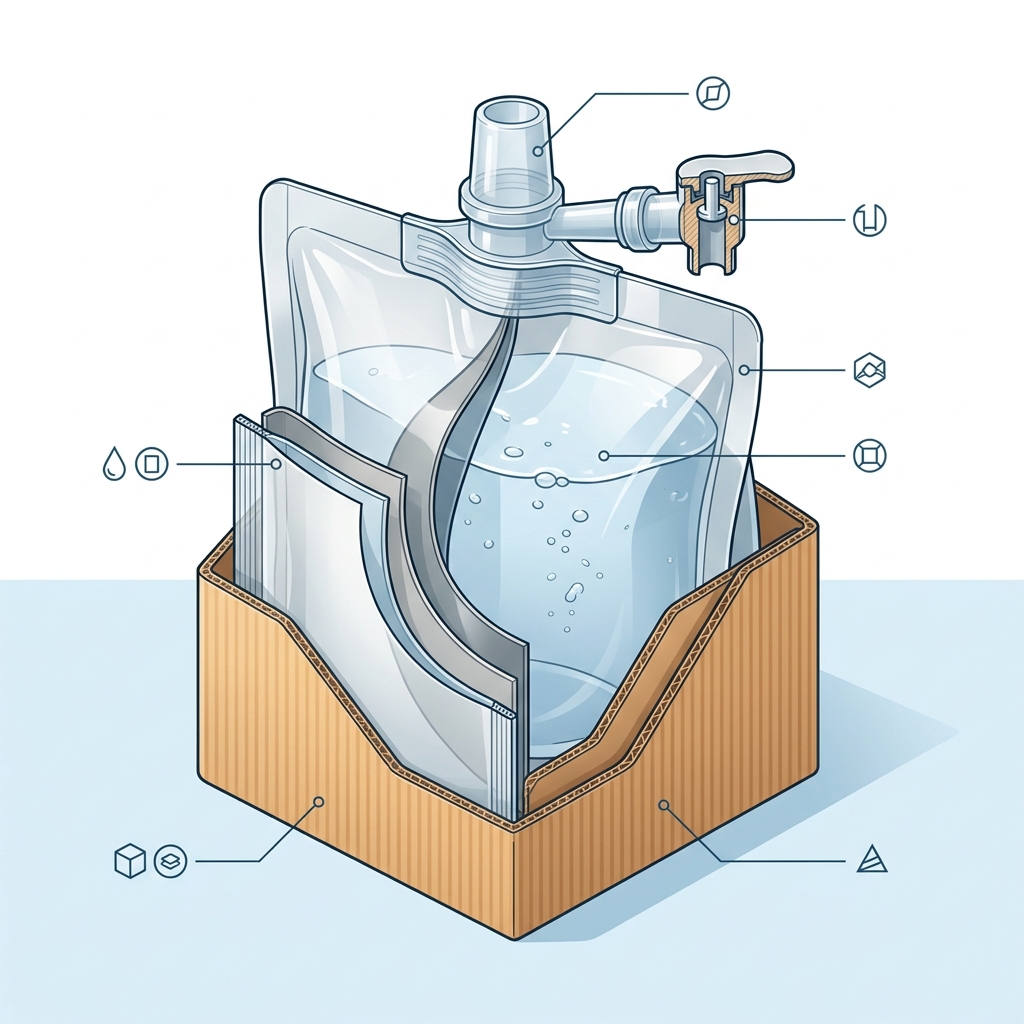
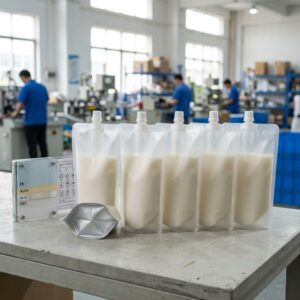
Water pouch packaging is flexible packaging designed to contain and dispense drinking water or treated water in a sealed pouch, bag, or bag-in-box system. It can range from a compact, sealed single-serve pouch to a larger water dispensing bag fitted with a tap and supported by an outer carton. The right format depends on whether the water will be consumed immediately, served at an event, used in a refill program, or dispensed over multiple uses.
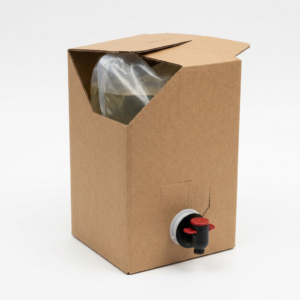
For procurement purposes, it helps to define the terms clearly. A pouch is a flexible, heat-sealed pack made from one or more plastic film layers. A fitment is the component sealed into the pouch that provides an opening for filling, pouring, or dispensing. A tap or valve is a fitment that can be opened and closed to control product flow. Bag-in-box is a system in which a flexible inner bag sits inside a protective corrugated carton.
Water is generally a low-viscosity liquid, but that does not make packaging selection automatic. The film must seal reliably, the fitment must be compatible with the filling equipment, and the final pack must suit the expected storage and distribution environment. Product treatment, intended shelf life, light exposure, handling, and destination-market requirements all affect the specification.
Choose the Right Water Packaging Format
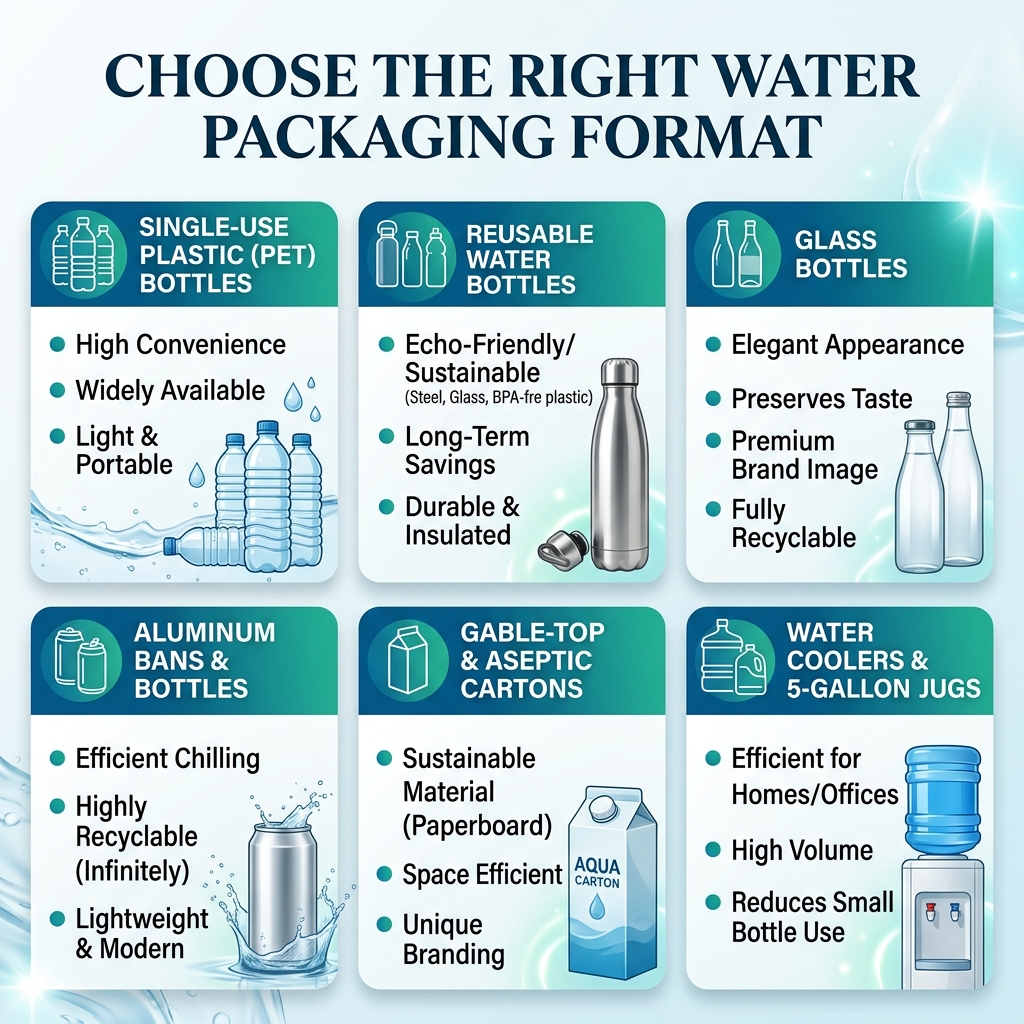
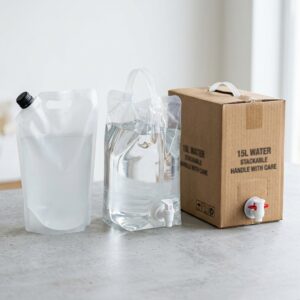
The primary decision is not simply bag capacity; it is the use case. A sealed small pouch can be efficient for immediate consumption, while a larger bag-in-box water packaging format is intended for controlled dispensing and needs a carton or another support method. A custom water pouch may also be designed around a brand activation, hospitality program, emergency supply program, or workplace water station.
- Single-serve sealed pouch: Suitable where the pack is opened once and consumed promptly, such as promotional distribution or event water packaging.
- Spouted pouch: Uses a cap-and-spout fitment for controlled pouring or refilling. It may be practical for selected portable formats, subject to stability and consumer-use validation.
- Water pouch with tap: Uses a dispensing tap or valve, usually for multi-serve use. It needs adequate headspace, pouch support, and a dispense orientation that avoids stress on the fitment.
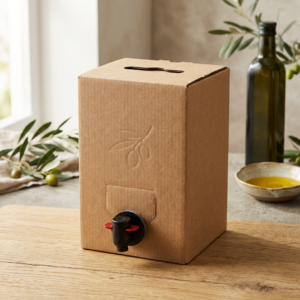
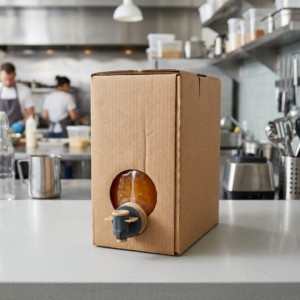
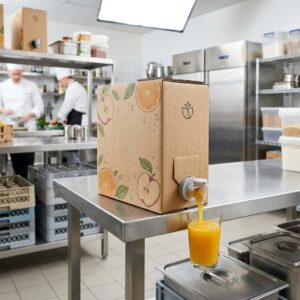
- Bag-in-box water packaging: Uses a fitmented inner bag and an outer carton. It is commonly considered for foodservice, workplace, refill, and larger-volume dispensing applications.
For a broader format evaluation, see this bag-in-box versus plastic bottles comparison for liquid products. It can help a buyer assess handling, dispensing, storage, and system-level trade-offs rather than comparing package materials alone.
Materials and Barrier Requirements for Water Pouches
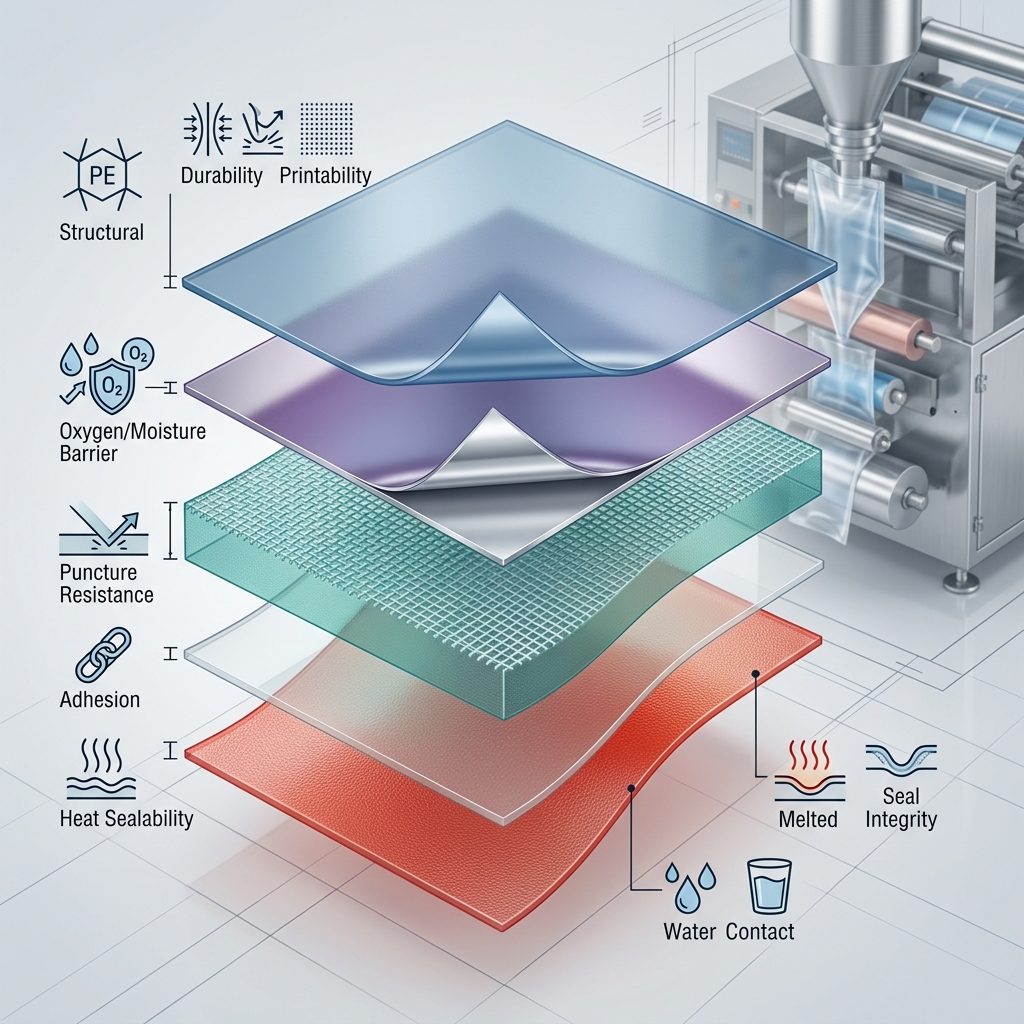
A flexible water pack is usually made from a multilayer structure rather than a single film. A multilayer structure combines layers with different functions: a sealant layer creates heat seals, structural layers provide strength and puncture resistance, and barrier layers limit the transmission of gases, aromas, moisture, or light where needed.
For still water, the selection often starts with a food-contact-suitable polyethylene-based sealant layer and a structure that provides appropriate converting and handling strength. Depending on the product and pack design, material options may include polyethylene (PE) layers, nylon or polyamide (PA) for reinforcement, and selected barrier layers such as EVOH. The appropriate construction is not determined by the word “water” alone.
Water may not require the oxygen protection expected for oxidation-sensitive beverages, but quality can still be affected by odor transfer, package integrity, microbial control, light exposure, and storage conditions. An opaque printed outer layer or carton can be useful where light protection or branding coverage is required. Conversely, a clear water pouch must be evaluated for its actual display and storage environment.
Material selection should also consider the filling method. A film that works for ambient filling may not be appropriate for a hotter process, and a structure selected for one treatment method should not be assumed suitable for another. Review the differences in this guide to aseptic versus hot-fill bag-in-box systems when the water process includes validated thermal treatment or aseptic filling.
Final film structure, sealant selection, and food-contact compliance documentation should be confirmed with the packaging supplier, the filler, and the applicable requirements in the destination market.
Valves, Taps and Fitments: Match Dispensing to the Pack
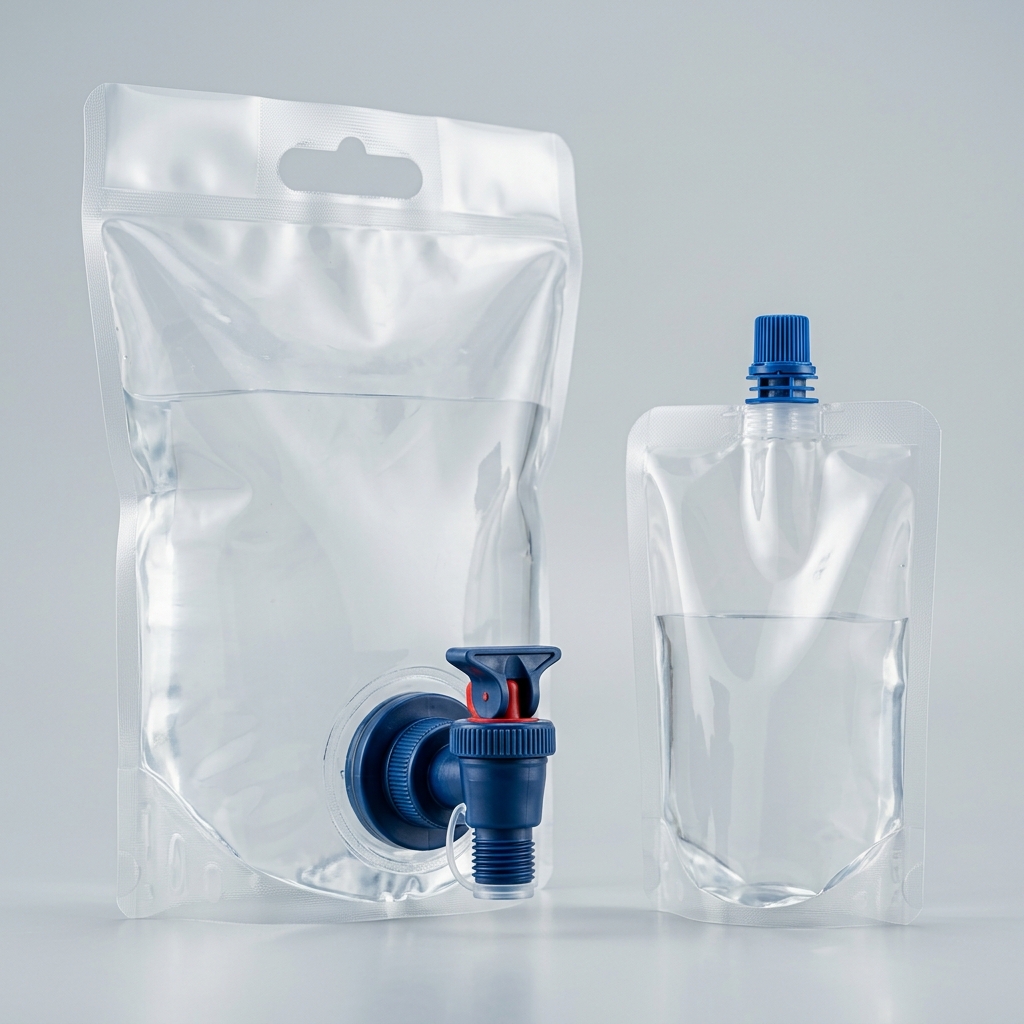
The fitment is a functional part of water pouch packaging, not an accessory selected after the bag is specified. It must match the liquid, fill head, sealing method, carton opening where applicable, dispensing position, and intended user behavior.
For a sealed single-use pouch, no fitment may be needed; the pack can be opened by tearing or cutting, subject to the final design. For refill or pouring applications, a screw-cap spout can provide a resealable opening. For multi-serve dispensing, a tap or valve is normally the more appropriate option because it lets the user control flow without repeatedly removing a cap.
Key fitment questions include:
- Will filling occur through the fitment or through a separate opening that is sealed after filling?
- Is the pack intended for gravity dispensing, pouring, or use with a dispenser?
- What flow rate and user control are needed?
- Will the fitment be exposed to shipping loads, carton cut-outs, or repeated use?
- Does the filler have tooling for the chosen fitment geometry and application method?
A water pouch with tap should be tested in its actual dispensing position. Fitment placement, bag gusset design, carton support, and remaining product volume can affect pouring consistency and residual liquid. Detailed fitment choices are covered in the bag-in-box valve and fitment guide for liquid products and the related bag-in-box tap and fitment procurement guide.
Water Pouch Sizing and Configuration Table
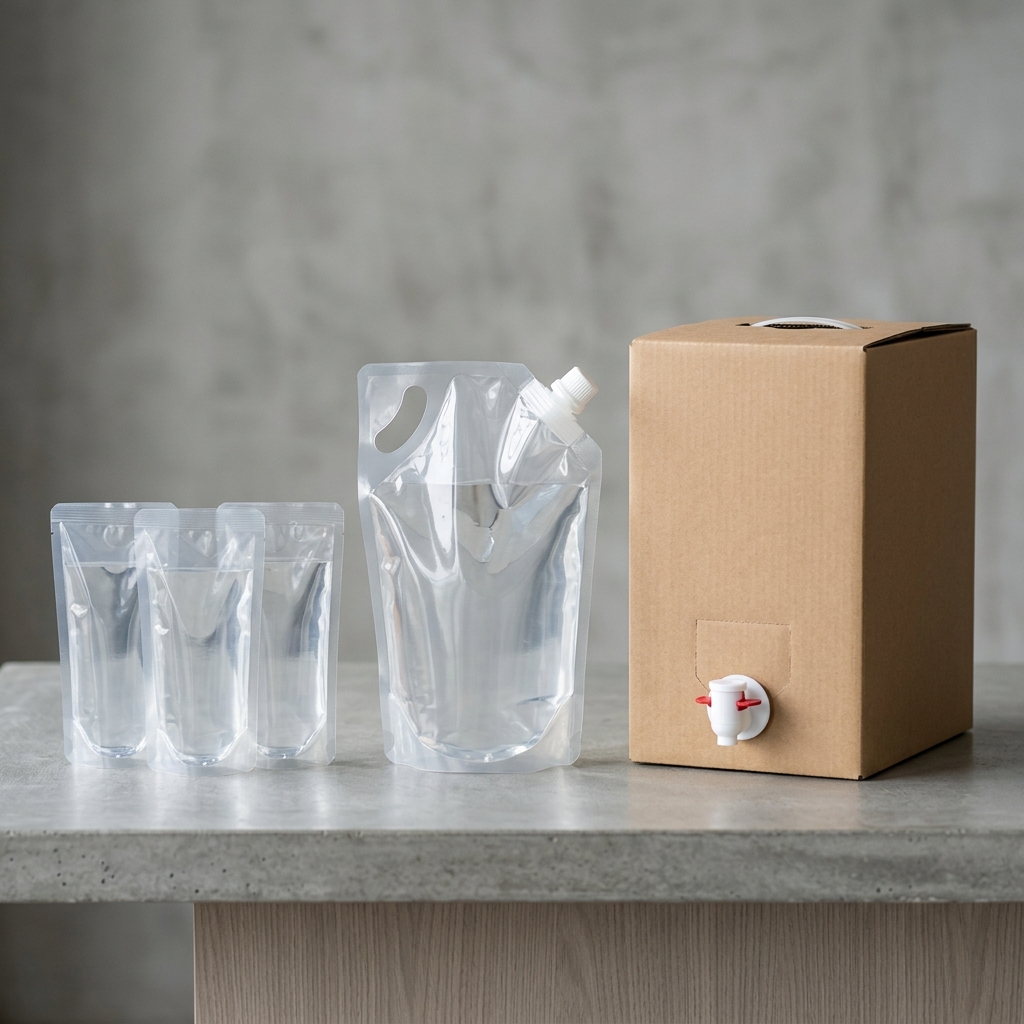
Capacity should be chosen around consumption rate, handling limits, dispense method, and secondary packaging—not only the nominal liquid volume. Larger flexible packs can reduce the number of units handled, but they place more demand on film strength, seal design, fitment support, and outer-case protection. The table below is a starting point for product planning, not a fixed specification.
| Application | Indicative capacity range | Suggested format | Opening or dispensing option | Primary design consideration |
|---|---|---|---|---|
| Sampling, events, immediate consumption | Small single-serve volumes | Three-side-seal or stand-up pouch | Tear opening or other opening feature | Easy distribution, seal integrity, graphics and practical opening |
| Hospitality or controlled refill | Small to medium volumes | Spouted pouch | Resealable spout and cap | Pouch stability, pouring control and cap handling |
| Office, catering or temporary service point | Medium to larger volumes | Tap-fitted pouch with support | Tap or valve | Gravity dispensing position and fitment protection |
| Foodservice, institutional or distribution programs | Larger volumes | Bag-in-box water packaging | Tap, gland, or system-compatible fitment | Carton strength, dispensing access and transport configuration |
When calculating pouch dimensions, allow for seal areas, headspace, gussets, the fitment zone, and the expected filled shape. A nominal capacity alone cannot establish the finished bag dimensions. The packaging supplier should review a drawing or sample alongside the filling process before tooling and production are finalized.
Filling, Sealing and Hygiene Controls
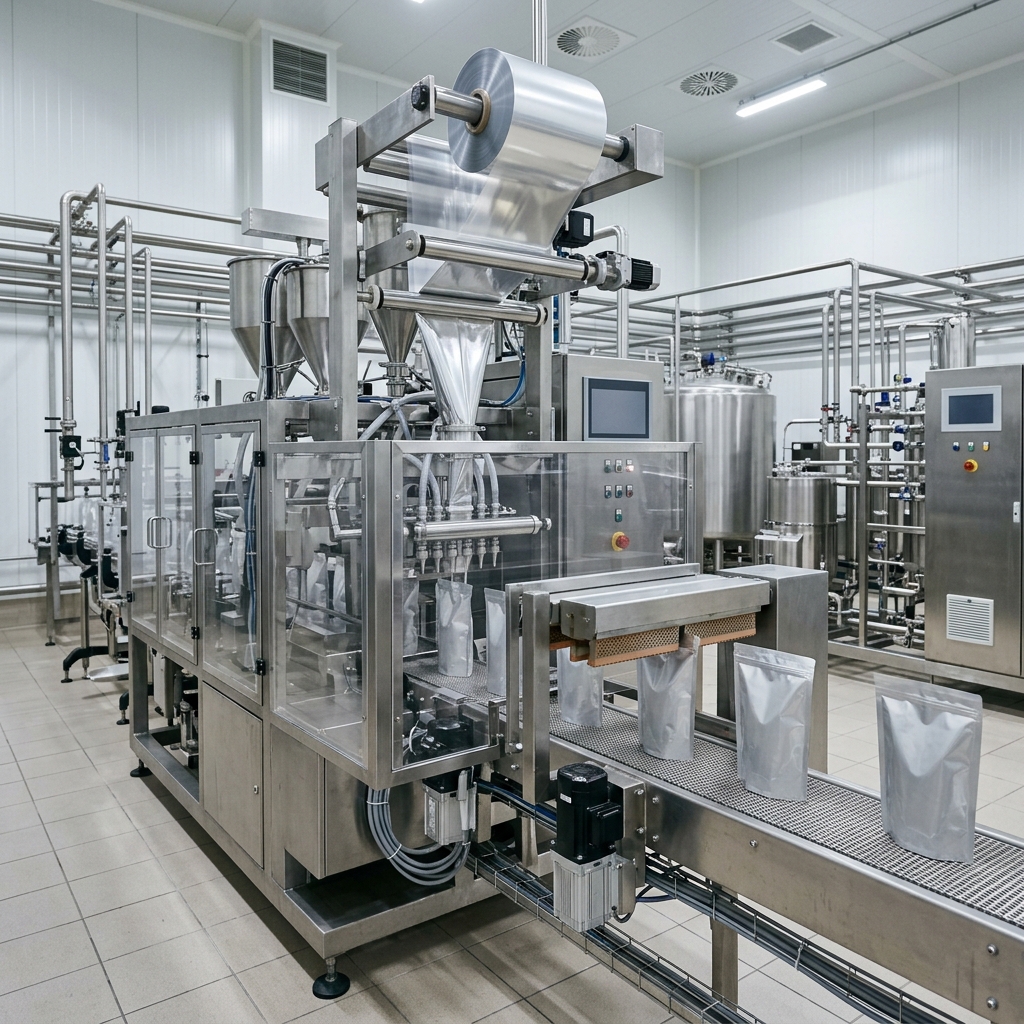
A reliable water dispensing bag is the result of compatible packaging and process conditions. Before selecting materials, document whether water is filled at ambient conditions, after thermal treatment, through an aseptic process, or by another controlled method. The filling route determines the required fitment configuration, seal design, clean handling expectations, and validation plan.
Low viscosity can make water easy to pump, but it can also expose weaknesses in seals and fitment interfaces. Seal contamination, inconsistent temperature or pressure, misalignment, and excessive handling stress can cause leakage. For that reason, practical trials should include filled-pack inspection, seal evaluation, transport simulation appropriate to the route, fitment function checks, and dispensing tests.
Water quality management remains the responsibility of the product owner and filling operation. The packaging supplier can support pack design and material selection, but packaging does not replace sanitation, validated treatment, hygienic filling controls, or finished-product testing. Discuss the actual liquid specification and process confidentially before confirming a final construction.
Storage and Distribution Considerations
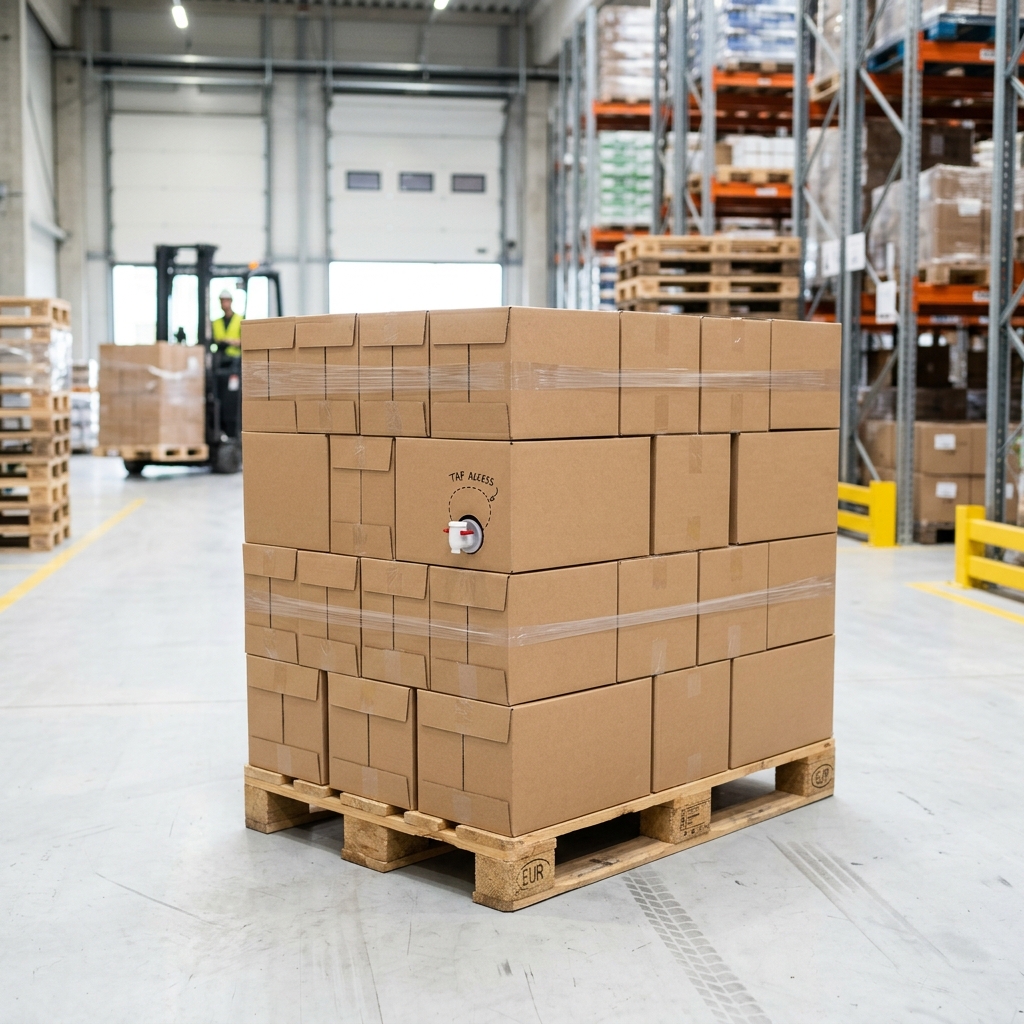
Storage conditions influence both package selection and pack-out design. A single-serve event water packaging pouch may face outdoor heat, temporary display, and manual distribution. A bulk water flexible packaging system may face pallet stacking, long-distance freight, carton compression, and repeated dispensing. These are different stress profiles and should not use the same assumption set.
Review the anticipated distribution route for temperature exposure, light, humidity, sharp-edge hazards, compression, pallet pattern, and handling frequency. For bag-in-box water packaging, the carton should protect the bag while still giving the user safe, convenient access to the tap. The bag and carton must be validated together, including the carton opening and the fitment location.
Where printed film is used, artwork should be designed around seal margins, gussets, fitment zones, readable regulatory information, and registration tolerance. A carefully designed custom water pouch can support brand presentation, but graphics should not compromise functional sealing or the visibility of required product information.
What to Specify for a Custom Water Pouch
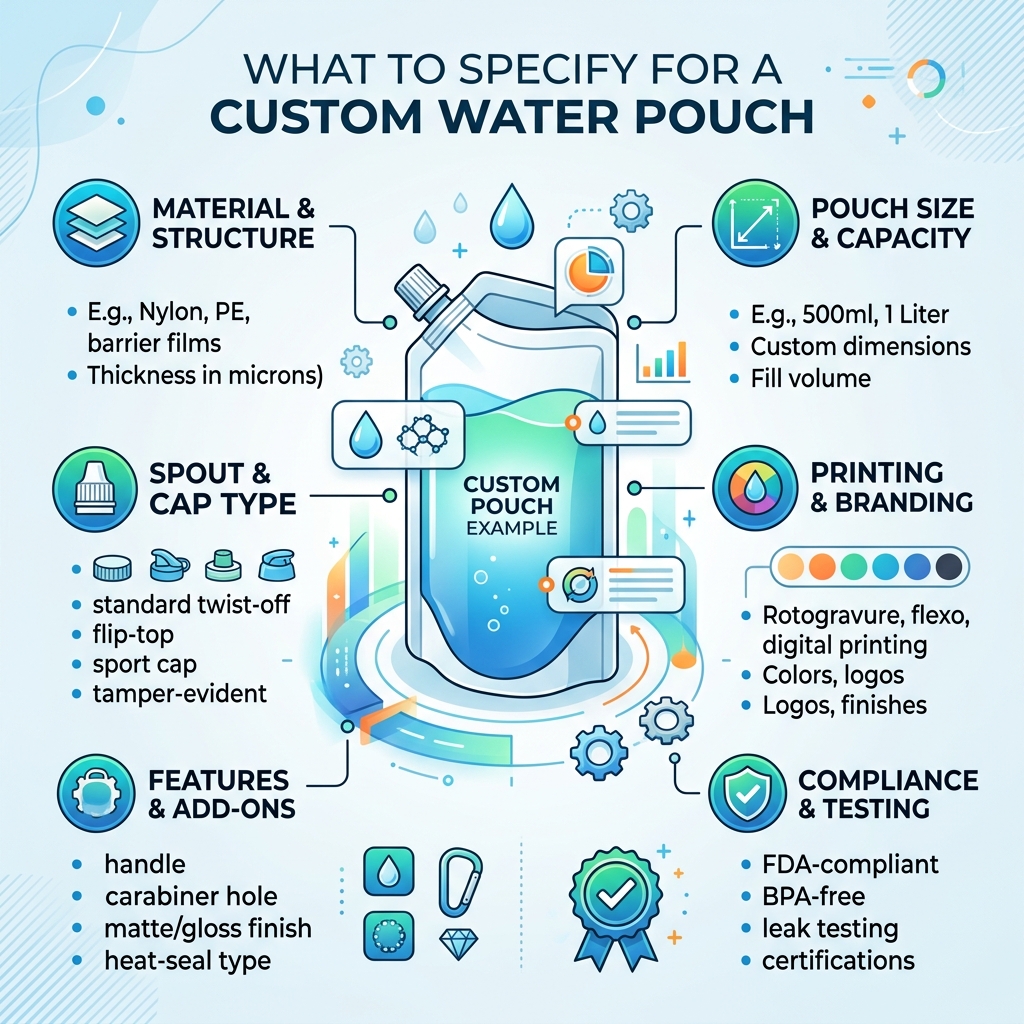
A complete request for quotation reduces avoidable iteration and helps suppliers assess whether the pouch design is workable on the intended line. Buyers should provide technical and commercial information early, particularly when a new fitment, printed construction, or dispensing format is involved.
- Water type and any relevant treatment or process description
- Target fill volume and permitted fill tolerance defined by the brand or filler
- Preferred pouch style, dimensions if known, and orientation during filling and dispensing
- Filling method, fill temperature, equipment details, and whether filling is through the fitment
- Required material characteristics, including light, odor, puncture, or barrier concerns
- Spout, cap, tap, valve, or dispenser-interface requirements
- Secondary packaging, palletization, storage, and destination-market conditions
- Artwork files, print colors, finish expectations, quantities, and approval process
For a more complete supplier brief, use this custom bag-in-box packaging manufacturer specification guide. Even when the final format is a standalone pouch rather than a carton-supported bag, the same discipline of defining liquid, filling, fitment, printing, and logistics is useful.
Procurement Checklist Before Ordering
Before approving water pouch packaging for production, align the brand owner, packaging supplier, and filling operation on the following points:
- Confirm the liquid and fill process, including any treatment and temperature conditions.
- Approve the film structure and fitment as a single system rather than as separate components.
- Review pouch dimensions with a filled sample or drawing, including headspace and dispensing orientation.
- Validate seal integrity, leakage resistance, fitment operation, and outer-pack protection under relevant handling conditions.
- Confirm artwork placement, print approval, and required information for the destination market.
- Agree on quality checks, packing configuration, and sample or trial approval criteria.
The bag-in-box packaging procurement checklist for brands and contract packers provides additional questions for structured supplier discussions. Final material selection should always be confirmed with the packaging supplier and the actual filling process before a production order is released.
Conclusion
Water pouch packaging should be specified as a complete package system: film structure, pouch geometry, fill process, fitment, dispensing method, outer packaging, and distribution conditions all matter. A small event pouch, a resealable custom water pouch, and a carton-supported water pouch with tap can each be appropriate, but they require different design priorities.
Start with the intended use and filling process, then select materials and valves that support safe sealing, practical handling, and the required user experience. Confirm the final construction through supplier consultation and filling-line validation rather than relying on a generic film or fitment selection.
FAQ
What material is used for water pouch packaging?
Water pouch packaging commonly uses a multilayer flexible film. The structure may include a polyethylene-based sealant layer plus layers selected for strength, puncture resistance, light management, or barrier needs. The correct material depends on the water treatment, filling conditions, storage environment, fitment, and destination-market requirements.
Does drinking water need a high-barrier pouch?
Not necessarily. Still water may not need the same oxygen barrier as oxidation-sensitive beverages, but odor transfer, light exposure, package integrity, hygiene, and intended shelf life still need evaluation. Confirm the required film structure with the packaging supplier and filling operation.
What is the difference between a water pouch with tap and a bag-in-box water package?
A water pouch with tap is a flexible pouch fitted with a dispensing tap or valve. Bag-in-box water packaging adds a protective outer carton around the fitmented bag. The carton can provide handling support, stacking protection, and an access opening for the tap.
What size water dispensing bag should I choose?
Select size based on consumption rate, lifting and handling needs, dispensing method, available support or carton, and distribution conditions. The nominal volume must be translated into final pouch dimensions that include seal areas, headspace, gussets, and fitment space. A supplier and filler should review the design before production.
Can a custom water pouch be printed?
Yes, flexible water pouches can be developed with custom printing, subject to the selected film structure and manufacturing requirements. Artwork should account for seal margins, gussets, fitment zones, registration tolerance, and mandatory destination-market information.
What should be tested before launching bulk water flexible packaging?
Test the complete filled-pack system: seals, fitment attachment and operation, leakage resistance, pouch and carton interaction where used, dispensing behavior, and handling under conditions relevant to the actual supply chain. Product safety and process validation remain the responsibility of the brand owner and filling operation.
Discuss Your Water Pouch Packaging Project
Share your product, liquid type, bag capacity, material preferences, fitting or valve needs, printing requirements, quantity, and destination market with HUACANG Packaging to review a practical pouch or bag-in-box configuration for your filling process.