Table of Contents
- What Bag-in-Box Leak Testing Covers
- Quality Control Before Production
- Film, Seal and Fitment Inspection
- Bag-in-Box Leak Testing Methods
- Filling Process Controls
- Storage and Transport Checks
- Supplier Quality Records and Acceptance
- Common Failure Causes and Corrective Actions
- Conclusion
Bag-in-box leak testing and quality control involve more than checking a finished pouch. B2B buyers should assess film selection, seal integrity, fitment attachment, filling conditions, handling, storage and documented inspection procedures before approving a packaging specification.
What Bag-in-Box Leak Testing Covers

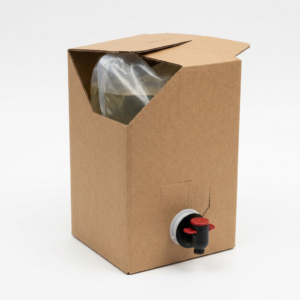
Bag-in-box leak testing and quality control verify that the flexible inner bag, heat-sealed seams, dispensing fitment and assembled package can contain the intended liquid through filling, handling, storage and distribution. A bag-in-box package is a system made up of a flexible bag, a fitment or valve, and a protective outer carton. A fitment is the molded component used for filling or dispensing. A seal is the bonded area where packaging film layers are joined to close the bag or attach the fitment.
Leak control should be planned as a series of checkpoints rather than treated as one final inspection. A package can pass a basic visual check and still fail because of a contaminated seal area, insufficient sealing energy, fitment misalignment, film damage or excessive pressure during filling. The right inspection plan therefore connects material selection, converting, filling and logistics.
Buyers should first define the product, bag capacity, filling temperature, filling equipment, dispensing method, expected storage conditions and distribution route. These details influence the test method and the acceptance criteria. A bag for a still beverage may require a different construction and process review from a bag for an acidic concentrate, dairy product or household cleaner.
For background on the complete package system, review what bag-in-box packaging is and how its components work. Final material and test requirements should be confirmed with the packaging supplier and the filling operation before production approval.
Quality Control Before Production

Effective quality control starts before film is converted into bags. The supplier and buyer should agree on a written specification that identifies the intended product and the critical package characteristics. This specification creates a common reference for incoming inspection, production checks and release decisions.
- Product definition: Record the liquid type, viscosity, acidity or alkalinity where relevant, alcohol or oil content where relevant, particulates, aroma sensitivity and any known compatibility concern.
- Package definition: Confirm nominal bag capacity, dimensions, film structure, seal design, fitment type, valve or cap configuration, opening direction and carton format.
- Process definition: Document the filling method, filling temperature range, target fill level, equipment contact points and expected production speed.
- Distribution definition: Describe palletization, stacking, transport handling, storage temperature and the intended destination market.
- Acceptance definition: Identify which defects are critical, major or minor, and specify who decides whether a nonconforming lot is held, reworked or rejected.
Samples should be taken from the beginning, middle and end of a production run when practical. This helps identify process drift that a single sample may not reveal. The inspection record should connect sample identification to the material lot, machine or line, production date and operator or inspector.
Procurement teams can use the bag-in-box packaging procurement checklist for brands and contract packers to organize the broader specification before requesting production samples.
Film, Seal and Fitment Inspection

Most leak investigations begin with the package interfaces: the film seals and the fitment attachment. A seal must be continuous and sufficiently bonded for the intended filling and distribution conditions. The exact seal settings depend on the film structure, equipment and product, so buyers should not rely on a generic temperature or pressure value.
Film inspection
Check film identification, roll condition, visible contamination, wrinkles, pinholes, scratches, delamination and damage around corners or gussets. Delamination is separation between layers in a laminated film. It can reduce barrier protection and may weaken the package during handling. The film should also be checked for correct orientation and registration where printing or fitment placement matters.
Seal inspection
Inspect the top, bottom, side and fitment-area seals for incomplete bonding, channels, folds, burn-through, seal wrinkles and product trapped in the seal zone. A channel leak is a continuous path through a seal that allows liquid or air to pass even when the defect is difficult to see. Record the location and pattern of any defect because repeated defects in one position may indicate a tooling, alignment or web-tension issue.
Fitment inspection
Confirm fitment dimensions, orientation, attachment area, cap or valve condition and visible flash or deformation. The fitment should not be loose, tilted or stressed by the surrounding film. A cap or valve that appears closed may still leak if its sealing surface is damaged or if the connection does not match the filling or dispensing equipment.
For product-specific material decisions, see this guide to choosing bag-in-box packaging materials for beverages. Material suitability must be verified against the actual liquid and process.
Bag-in-Box Leak Testing Methods

No single test detects every packaging failure. The test plan should combine methods that reflect the likely stress on the package and the sensitivity of the product. Test parameters, sample quantity and acceptance limits should be agreed with the supplier and filling site rather than copied from an unrelated package format.
Visual inspection
Visual inspection is the first check. Look for wetness, staining, film distortion, open seals, fitment damage and liquid around caps or valves. It is fast and useful for sorting obvious defects, but it cannot reliably detect every microscopic or latent leak.
Air-pressure or pressure-hold testing
In a pressure-hold test, the empty or filled package is exposed to a defined internal or external pressure condition and monitored for pressure loss, deformation or visible leakage. This method can help identify leaks at seals and fitments. The pressure, hold time and package condition must be controlled because excessive pressure can create damage that would not occur during normal use.
Immersion or bubble testing
For suitable empty packages, controlled air pressure followed by immersion can reveal escaping air as bubbles. The method requires careful preparation and interpretation. A bubble stream may indicate a leak, but trapped air, surface contamination or movement in the water can complicate the result.
Filled-package observation
Filled samples can be held and observed for leakage at the intended fill condition. This is important because the product may change seal behavior, pressure, stiffness or chemical compatibility. The package should be inspected after filling, after handling and after any planned conditioning period.
Destructive seal evaluation
Opening or cutting samples can reveal whether seal width, bonding and failure mode are consistent. A seal that peels cleanly, tears the film or separates at the interface may indicate different causes. This destructive work should be performed using an agreed method and documented with photographs or sample identification where useful.
Use test results diagnostically. A pass or fail result without the test condition, sample identity and defect location is difficult to use for corrective action.
Filling Process Controls

A bag that passes incoming inspection can still leak during filling. The filling process should therefore be treated as part of bag-in-box quality control. The machine must be compatible with the fitment, and the bag should be positioned so that the filling connection does not pull, twist or puncture the film.
- Verify that the fitment, nozzle, connector and cap or valve are compatible before the run.
- Check that the filling head is aligned and does not apply unintended side load to the fitment.
- Control product temperature and filling pressure within the approved process range.
- Prevent product, foam, pulp or other material from entering the seal area.
- Confirm the actual fill level and avoid overfilling that could increase internal stress.
- Inspect the package immediately after filling for wet seals, fitment movement, distorted film and closure leakage.
- Handle filled bags with support under the bag rather than lifting or dragging them by the fitment.
- Verify that cartons are correctly erected and do not compress or puncture the bag.
Hot-fill and aseptic systems require especially careful coordination between package construction, sanitation, temperature exposure and filling equipment. Hot fill means that product is filled at an elevated temperature selected for the product and process. Aseptic packaging uses controlled product and package conditions intended to maintain commercial sterility; the applicable process must be validated by the responsible packer. Review the aseptic versus hot-fill bag-in-box comparison when defining process requirements.
Storage and Transport Checks

Leak prevention continues after the bag leaves the filling line. Filled bags can be damaged by sharp carton edges, poor pallet alignment, excessive stacking load, impact, vibration, temperature exposure or rough handling. The outer carton protects the inner bag, but it must be correctly sized and assembled for the package.
Before shipment, inspect cartons for crushing, punctures, moisture damage and protruding edges. Confirm that bags are not trapped between carton flaps or forced against the carton wall. Review pallet patterns and stacking height against the package design and the planned logistics route. A package that is stable in a warehouse may experience different loads during long-distance transport.
Storage checks should consider the product and film structure. Temperature, light, humidity and storage duration can influence product quality, material behavior and seal performance. Do not assume that a general storage recommendation applies to every liquid or construction. The supplier and packer should establish conditions using the actual product, package and distribution environment.
When investigating a transport leak, retain the leaking bag, carton, pallet information and photographs. Record whether the leak is located at a seal, fitment, film panel or abrasion point. This evidence can distinguish a manufacturing defect from a handling or palletization problem.
Supplier Quality Records and Acceptance

A practical supplier quality file should show what was checked, how it was checked and what happened when a result was outside the agreed specification. Buyers should request documentation that is relevant to the purchased package rather than generic statements about factory quality.
| Control stage | What to verify | Useful record |
|---|---|---|
| Incoming materials | Film, fitments and closures match the approved specification and are free from visible damage. | Material identification, lot details and inspection results. |
| Bag conversion | Dimensions, seal appearance, fitment position and workmanship are consistent. | In-process inspection record and defect log. |
| Leak testing | Method, test condition, sample identity and result are recorded. | Test report with acceptance decision. |
| Filled samples | Package remains intact after the agreed filling and handling sequence. | Filling trial notes, photographs and observations. |
| Nonconformance | Defects are isolated and investigated before release. | Corrective-action record and disposition. |
Ask how the supplier controls changes to film structure, fitment source, tooling, seal settings and production location. A change-control process helps prevent an approved sample from becoming an unapproved production package. The final quality agreement should identify release authority, sampling approach, records retained and escalation contacts.
HUACANG Packaging Manufacturing Co., Ltd. is based in Guangzhou, China and has operated since 1998. Its facility uses 9-color printing and laminating lines. Buyers should still evaluate the specific package specification, test evidence and filling trial results for their own application.
Common Failure Causes and Corrective Actions

When a leak is found, replacing the entire package specification may not address the actual cause. Start by identifying the leak location and the point at which it appeared.
- Leak at a flat seal: Investigate contamination, wrinkles, insufficient bonding, excessive sealing heat, misalignment or inconsistent seal pressure. Review the seal setting and the condition of the sealing tooling.
- Leak around the fitment: Check fitment dimensions, attachment alignment, film placement, seal coverage and stress from the filling connector or dispensing closure.
- Leak through the film panel: Look for pinholes, abrasion, sharp carton contact, folding damage or excessive handling force. Trace the damage back to converting, filling, palletization or transport.
- Leak after hot filling: Review temperature exposure, cooling behavior, internal pressure and whether the selected structure and seal system were approved for the process.
- Intermittent leaks: Compare samples from different times, operators, machines and material lots. Intermittent results can indicate process drift rather than one obvious design defect.
- Closure leakage: Confirm that the cap, valve or dispensing connector is correctly seated, undamaged and compatible with the intended equipment.
Containment may include holding the affected lot, increasing inspection temporarily, separating suspect material and preserving samples. Corrective action should identify the cause, define the process change, establish a verification test and assign responsibility. Any change that affects material, fitment or filling conditions should be re-evaluated with the supplier and filling operation.
Conclusion

Bag-in-box leak testing and quality control are most effective when they cover the full package life cycle. A reliable checklist connects the approved film and fitment specification with seal inspection, leak-test conditions, filling controls, carton protection, storage, transport and documented corrective action.
For B2B procurement, the key question is not simply whether a sample bag passed one test. It is whether the package has been evaluated under the actual liquid, filling process, capacity, closure configuration and distribution conditions. Final material selection, test limits and release criteria should always be confirmed with the packaging supplier and filling process owner.