Table of Contents
- What Custom Printed Bag-in-Box Packaging Means
- Why Beverage Brands Use Custom Printed Bag-in-Box
- Selecting the Material and Barrier Structure
- Fitments and Dispensing Requirements
- Printing and Brand Design Considerations
- Filling Process and Package Validation
- Storage, Transport and Market Requirements
- Procurement Brief for Beverage Brands
- Conclusion
Custom printed bag-in-box packaging combines a flexible inner bag, dispensing fitment and protective outer carton with brand-specific graphics. This guide explains how beverage brands can evaluate materials, barrier performance, filling conditions, fitments, storage and print requirements before approving a packaging specification.
What Custom Printed Bag-in-Box Packaging Means
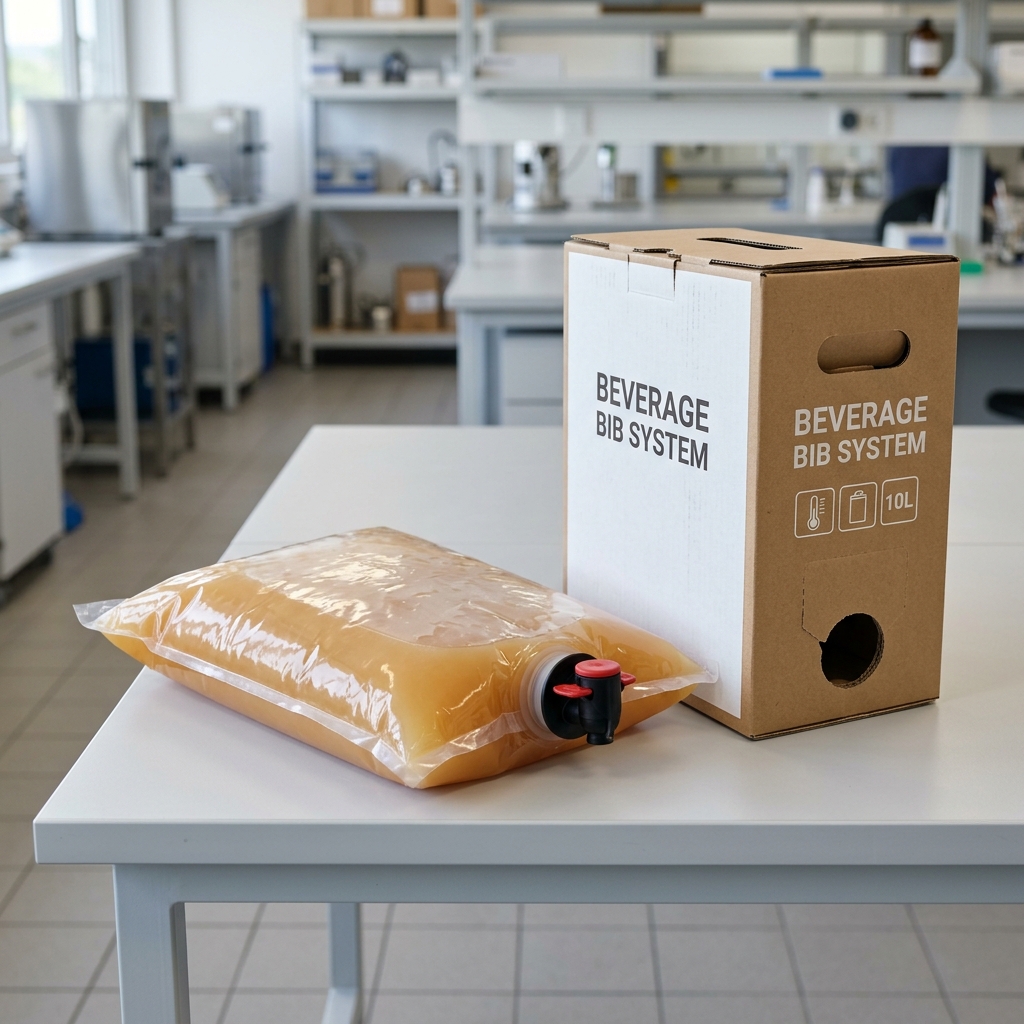
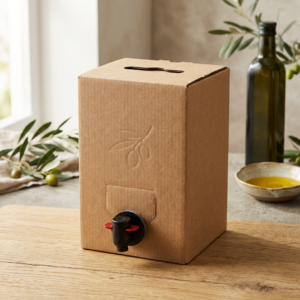
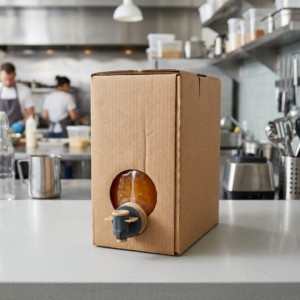
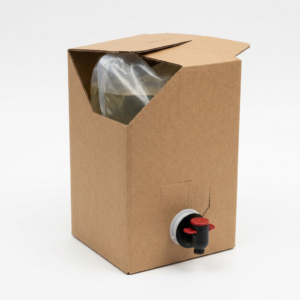
Custom printed bag-in-box packaging is a liquid packaging system designed with beverage-specific materials, fitments and brand artwork. A bag-in-box system, often shortened to BIB, consists of a flexible inner bag, a dispensing fitment and an outer carton or box. The inner bag holds the beverage, the fitment provides the filling or dispensing connection, and the carton protects the bag during handling, storage and distribution.
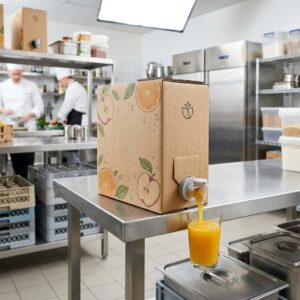
Custom printing generally refers to printing brand graphics, product information and regulatory details on the flexible bag, the outer carton, or both. The correct printing location depends on how the package will be displayed and whether the bag is visible at the point of sale. Buyers should define the complete packaging system rather than requesting printed film alone, because film structure, seal design, fitment geometry and filling equipment all affect the final result.
For an introduction to the components and operating principles of this format, see this complete guide to bag-in-box packaging.
Why Beverage Brands Use Custom Printed Bag-in-Box
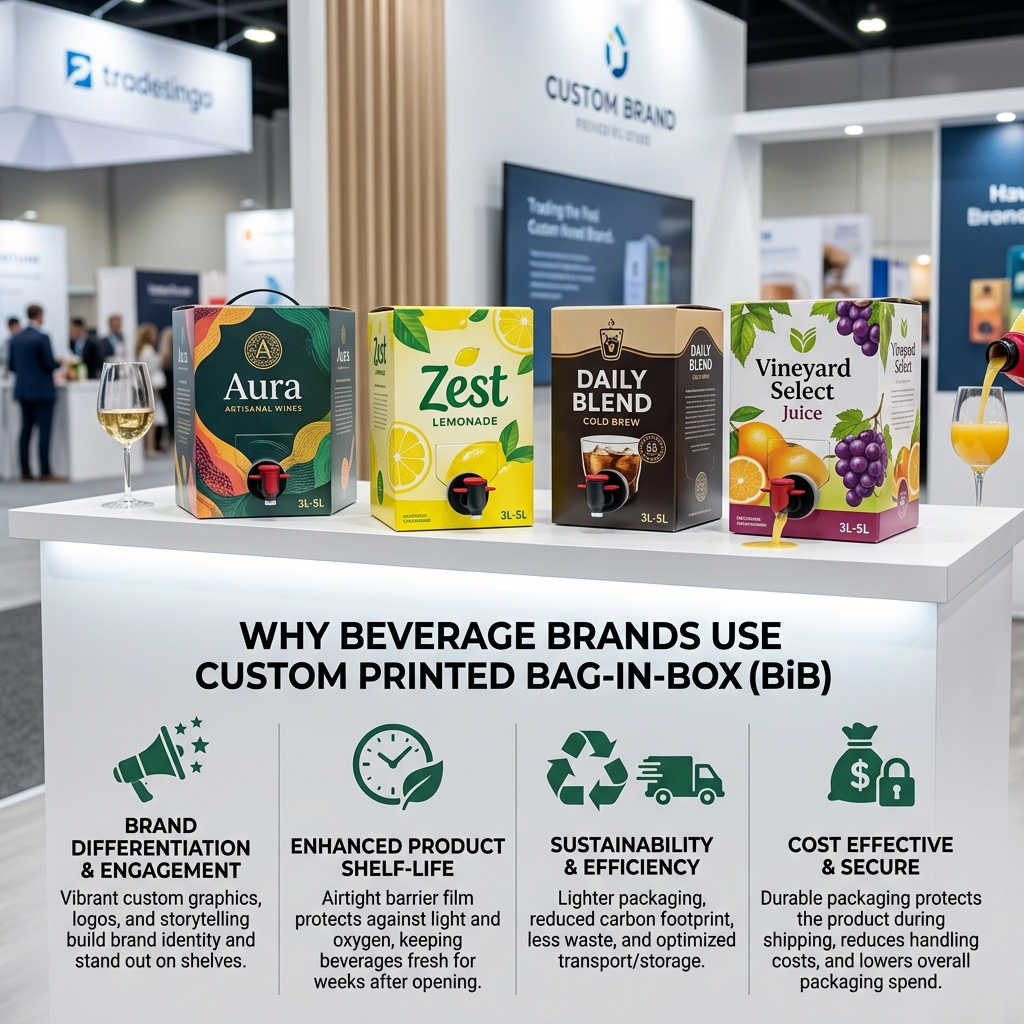
Bag-in-box packaging can support beverage brands that need a practical format for juices, wine, concentrates, syrups, dairy beverages, water and other liquid products. Its flexible inner bag can be supplied in different material structures, while the outer carton creates a stable handling surface and a printable area for brand communication.
Custom printing can help a brand maintain consistent visual presentation across foodservice, retail, hospitality and industrial channels. It can also place important product information directly on the package, including product name, flavor, net contents, handling instructions, lot information and market-specific labeling. The exact information required varies by destination market and beverage category, so artwork should be reviewed by the brand’s regulatory and quality teams before production.
The packaging format also allows buyers to coordinate several technical decisions in one specification:
- the beverage’s sensitivity to oxygen, light and moisture;
- the required bag capacity and dimensions;
- the filling and dispensing fitment;
- the print surface and artwork coverage;
- the intended filling method and temperature;
- the carton format and distribution conditions.
These decisions should be evaluated together. For example, changing the fitment location can affect bag dimensions, carton layout and the filling line. Increasing barrier protection can affect material cost, flexibility and package handling. A printed design is therefore only one part of a complete beverage packaging specification.
Selecting the Material and Barrier Structure
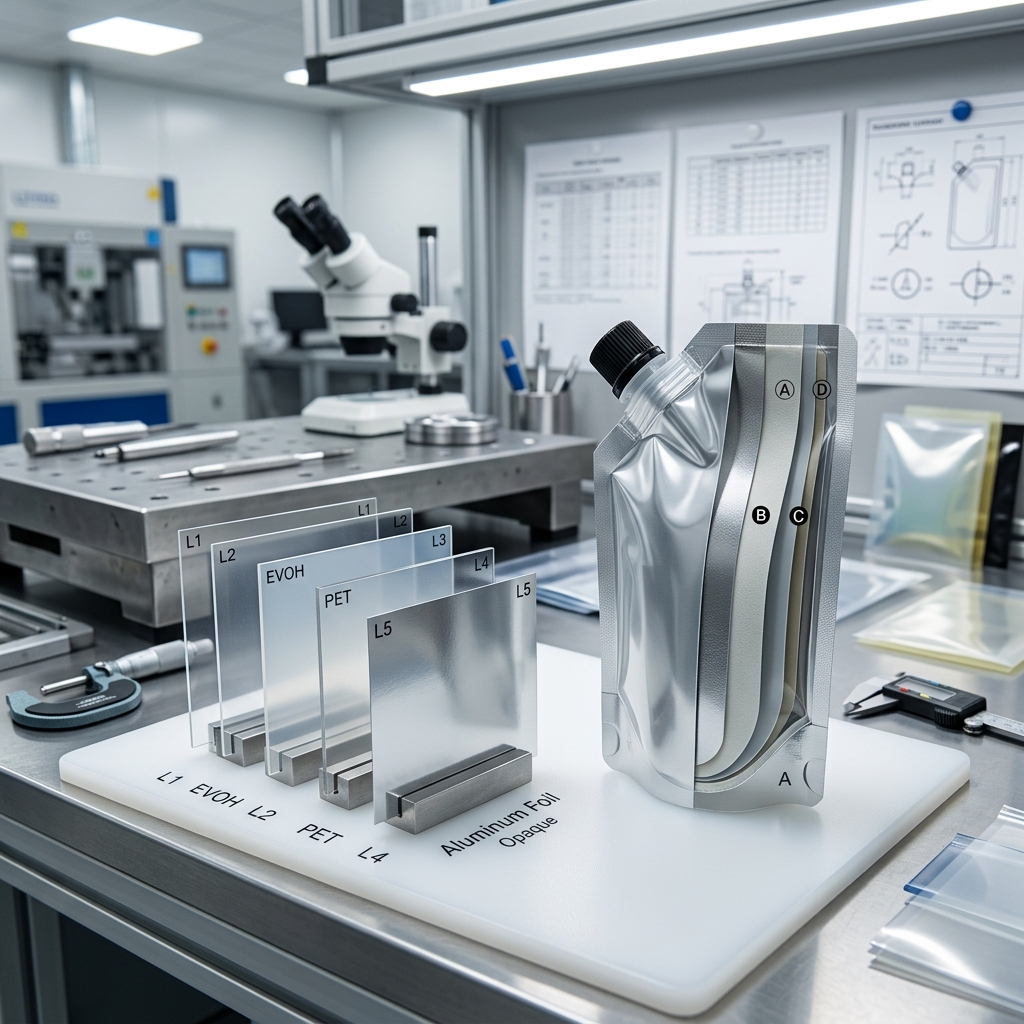
Packaging material is the film or multilayer structure used to form the inner bag. A barrier is a layer or combination of layers that limits the movement of oxygen, light, moisture or other substances through the package. Beverage brands should select both according to the product’s chemistry, shelf-life target, filling method, distribution conditions and destination market.
Common beverage considerations include:
- Oxygen sensitivity: juices, wine and some concentrates may require attention to oxygen transmission because oxygen exposure can affect flavor, color or product stability.
- Light sensitivity: certain beverages can be affected by light exposure, particularly when the package or display system allows light to reach the product.
- Acidity and formulation: pH, alcohol content, oil content, solids and preservatives can influence material compatibility and sealing requirements.
- Temperature: hot-fill, ambient-fill, chilled-fill and aseptic processes impose different thermal and hygiene requirements on the bag structure and fitment.
- Mechanical handling: bag dimensions, drop exposure, compression, palletization and transport conditions influence the required seal and film performance.
There is no universal film structure for every beverage. A structure suitable for a low-risk ambient liquid may not be appropriate for an oxygen-sensitive product or a hot-fill process. Buyers should provide the supplier with a product description, formulation information where available, filling temperature, target storage conditions and expected distribution route.
For a more detailed evaluation of beverage film structures and barrier requirements, review how to choose bag-in-box packaging materials for beverages. Final material selection should be confirmed with the packaging supplier and the filling-process owner after compatibility and line requirements have been reviewed.
Fitments and Dispensing Requirements
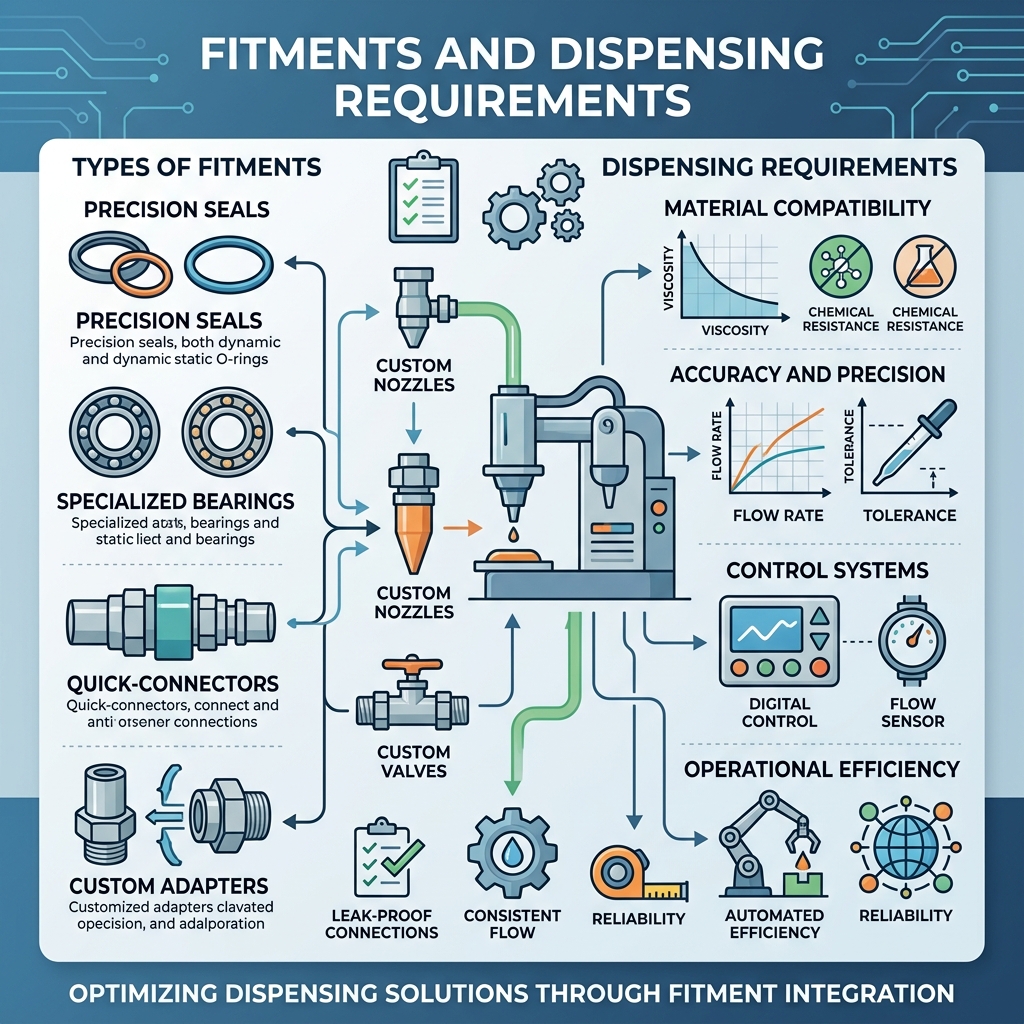
A fitment is the rigid connection attached to the flexible bag. It may be used for filling, dispensing or both. A valve is a dispensing component that controls liquid flow after the package is opened. Fitment and valve selection should reflect the beverage viscosity, particulate content, closure requirements, filling equipment and end-user dispensing method.
Before approving custom printed bag-in-box packaging, confirm the following points:
- fitment type, opening method and closure;
- fitment position on the bag and its relationship to the carton;
- connection requirements for the filling machine;
- valve type and compatibility with the dispensing equipment;
- flow rate and ease of use for the intended operator;
- protection of the fitment during transport and storage;
- seal integrity around the fitment area.
Thin beverages such as water or juice may have different dispensing needs from thick syrups, purees or concentrates. Products with pulp or particles may also require a larger or differently designed flow path. These details should be tested using the actual product, because laboratory water tests may not represent the behavior of a viscous or particulate beverage.
Fitment dimensions should be exchanged with the filling-line team before the bag design is finalized. A fitment that is technically suitable for the liquid may still be unsuitable if it does not match the filler, dispensing connector or carton opening.
Printing and Brand Design Considerations
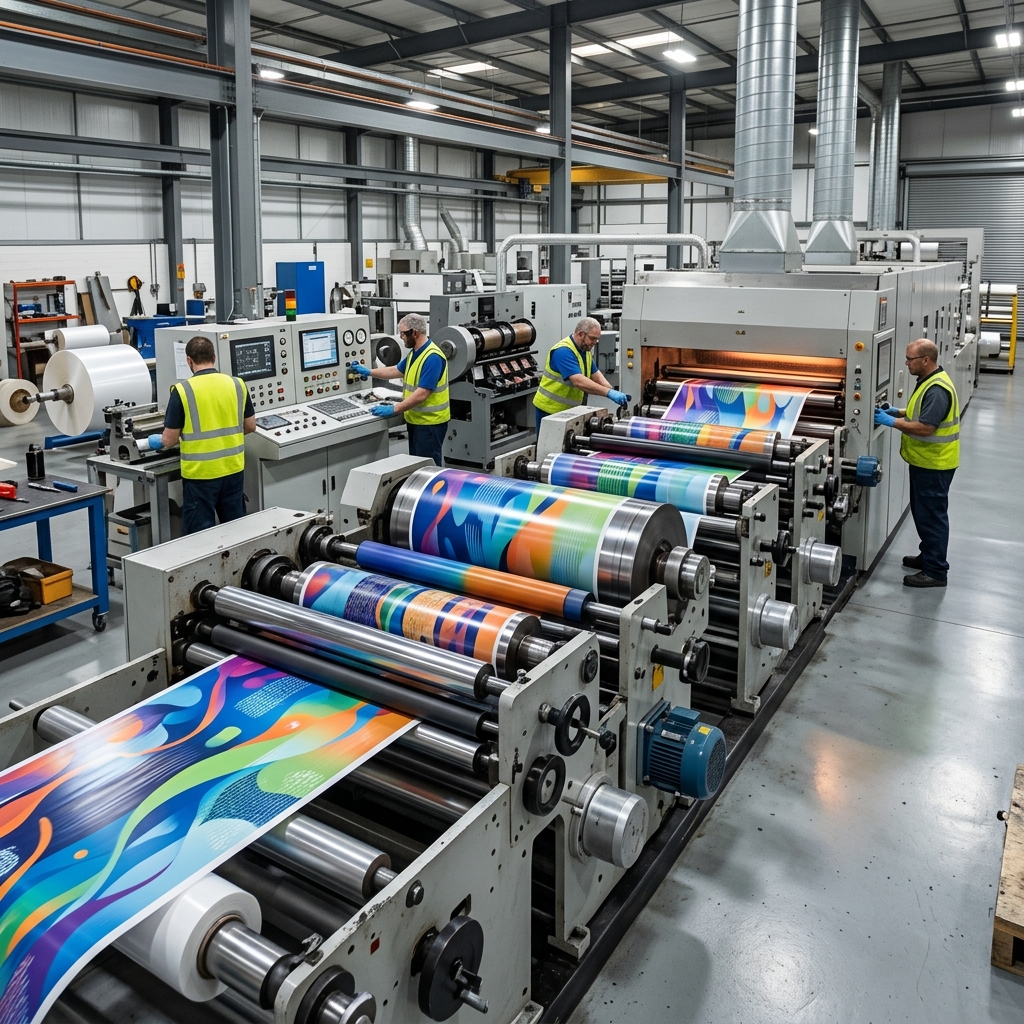
Printing for beverage packaging must balance visual impact with technical accuracy. HUACANG Packaging Manufacturing Co., Ltd. is based in Guangzhou, China, and was established in 1998. Its 15,000 square meter facility uses advanced 9-color printing and laminating lines for flexible packaging production. This production background can support discussions about detailed artwork, color requirements and multilayer packaging structures, subject to project specifications and quality review.
Brand teams should prepare a print brief that identifies:
- the intended print surface, such as the flexible bag or outer carton;
- final bag dimensions, safe areas and seal zones;
- logo, product name, flavor and visual hierarchy;
- barcode, variable information and regulatory copy;
- color references and acceptable color tolerances;
- artwork file format, proofing method and approval contact;
- the destination market and applicable labeling review.
Artwork should account for areas that are hidden, folded, sealed or covered by the carton. Text and essential product information should not be placed too close to seals or fitment openings. For repeat orders, the approved reference sample, color standard and artwork revision should be documented so that procurement, quality and production teams are working from the same version.
Printed film should also be considered in relation to the bag’s final use. If the bag remains inside an opaque carton, the carton may carry most consumer-facing graphics while the bag carries identification and handling information. If the bag is visible, the print layout must accommodate flexing, folds and the way the package is positioned during dispensing.
Filling Process and Package Validation
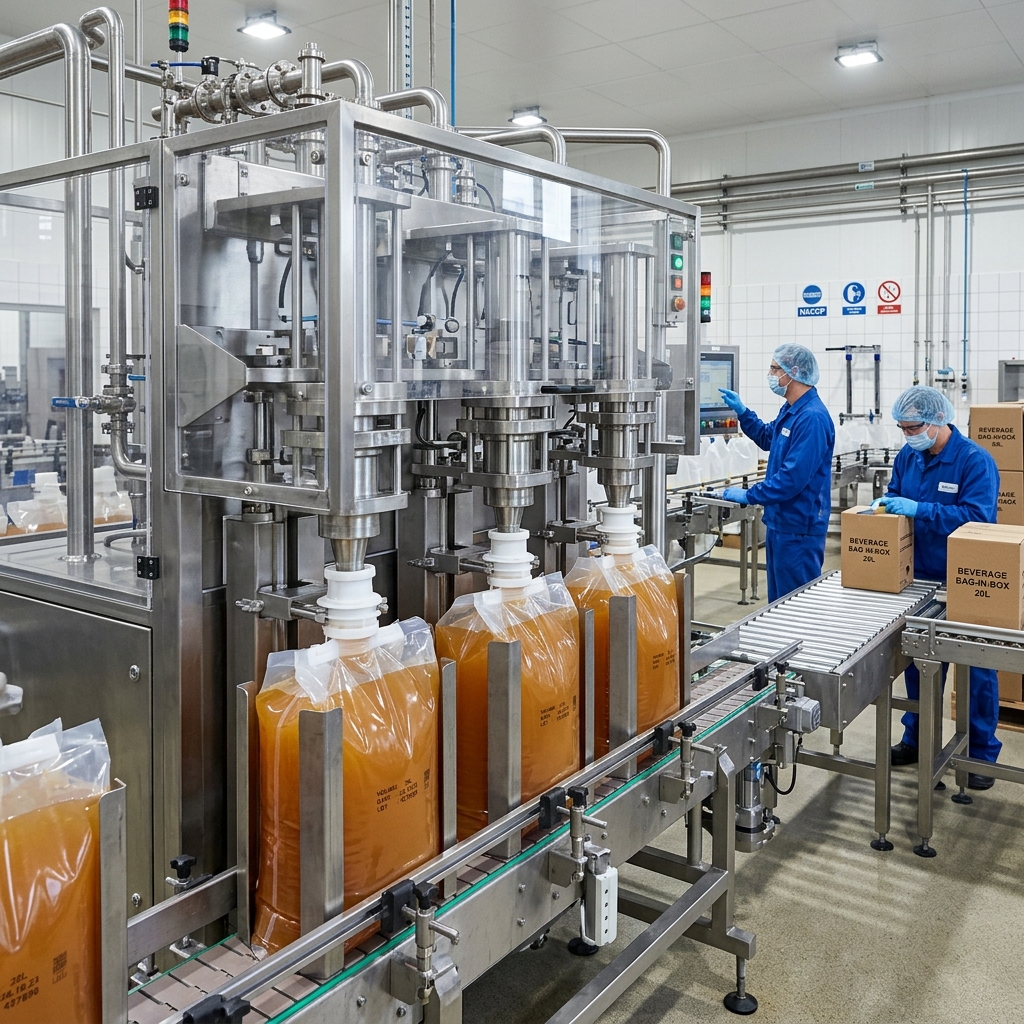
The filling process is the method used to transfer the beverage into the bag and close or seal the package. It can include ambient filling, chilled filling, hot filling or aseptic filling, depending on the product and production system. The package specification must match the actual filling equipment, sanitation controls, temperature profile and closing sequence.
During validation, beverage brands and contract packers should review:
- bag dimensions and orientation on the filling line;
- fitment and filling-head compatibility;
- product temperature and exposure time;
- filling speed, headspace and closure sequence;
- seal quality and the risk of wrinkles or contamination in the seal area;
- leak testing and inspection procedures;
- handling of filled bags before insertion into cartons.
Hot-fill and aseptic systems require particular attention because heat exposure, package sanitation and process controls differ. A bag structure designed for one filling approach should not be assumed to work for another. Read the comparison of aseptic and hot-fill bag-in-box systems when determining which process questions to include in a supplier discussion.
Commercial approval should be based on trials using the intended beverage and filling line. A successful sample filled manually or with a different machine does not by itself confirm production suitability.
Storage, Transport and Market Requirements
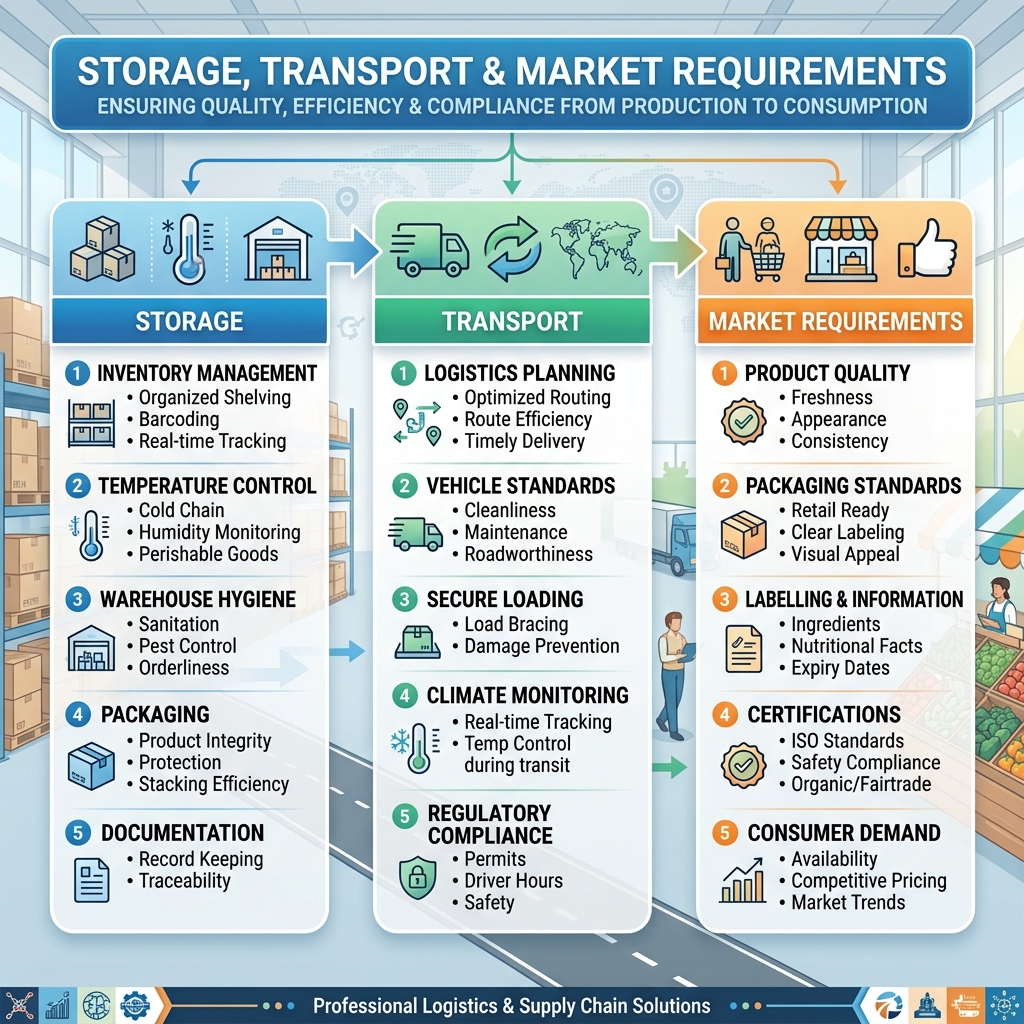
Storage and distribution conditions influence both the bag structure and the outer packaging design. Before production, define whether filled packages will be stored chilled, frozen or at ambient temperature, and identify the expected exposure to sunlight, humidity, compression, vibration and handling.
Important questions include:
- Will the beverage be transported in temperature-controlled conditions?
- How will cartons be stacked, palletized and loaded?
- What is the expected time between filling, shipment, retail or foodservice use?
- Will the package be opened by a trained operator or a general consumer?
- Does the destination market require specific language, recycling information, date coding or other label content?
- How will damaged cartons, leaking bags or returned products be handled?
The outer carton should be selected for the intended handling environment and should provide suitable protection for the flexible bag and fitment. Carton graphics should remain legible after normal handling, while essential traceability information should be positioned where it can be inspected.
Storage guidance should be based on the beverage formulation, validated package performance and market requirements. Packaging suppliers can advise on material and construction options, but the beverage owner remains responsible for confirming product stability, labeling compliance and distribution suitability with its technical and regulatory teams.
Procurement Brief for Beverage Brands
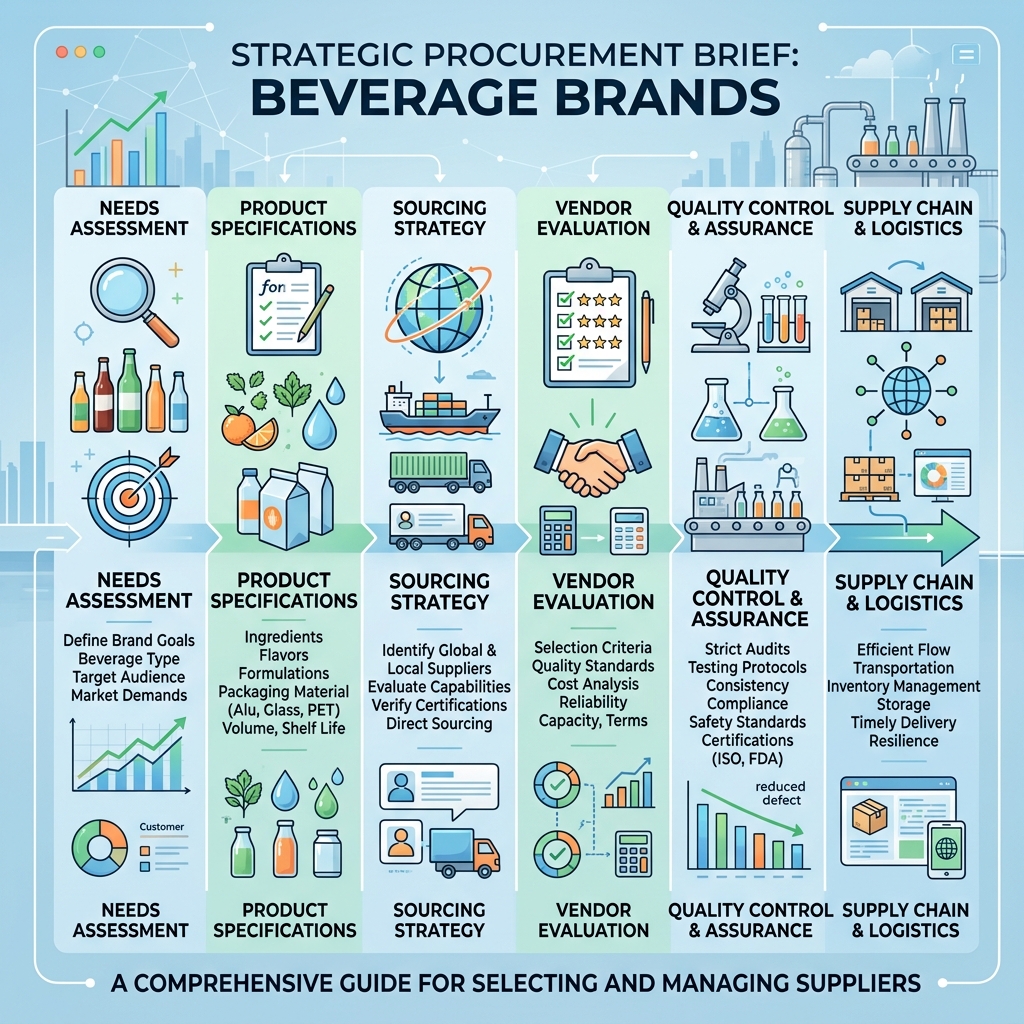
A clear procurement brief helps a beverage brand receive comparable technical proposals and reduces avoidable artwork or filling revisions. The brief should describe the finished package, not only the desired print appearance.
Include the following information where available:
- beverage category, formulation characteristics and viscosity;
- target bag capacity and approximate dimensions;
- required film or barrier objectives;
- fitment, valve, cap and connection requirements;
- filling method, equipment interface and product temperature;
- carton dimensions, orientation and display requirements;
- print coverage, colors, artwork files and proofing expectations;
- storage, transport and destination-market conditions;
- quality documentation, sampling expectations and acceptance criteria;
- planned quantity and ordering schedule.
Also identify the decision makers for packaging engineering, quality, regulatory review, procurement and filling operations. This prevents a design from being approved visually before the technical requirements have been checked.
Use the bag-in-box packaging procurement checklist to organize supplier questions about materials, fitments, filling conditions, storage, printing and supply requirements. The final specification should be approved jointly by the beverage brand, packaging supplier and filling partner.
Conclusion

Custom printed bag-in-box packaging gives beverage brands a way to coordinate brand presentation with liquid protection, dispensing and distribution requirements. The most reliable specification begins with the beverage and filling process, then defines the film structure, barrier objectives, fitment, carton, print layout and storage conditions.
Printing quality matters, but it should be approved alongside seal performance, fitment compatibility, filling-line operation and destination-market requirements. Final material and package selection should always be confirmed with the packaging supplier and the filling process owner using the actual beverage and intended production conditions.