Table of Contents
- What Bag-in-Box Tap and Fitment Selection Means
- Start with the Liquid and Product Life Cycle
- Understand the Different Jobs of Taps and Fitments
- Match the Dispensing Format to the End Use
- Check the Filling Process Before Finalizing Components
- Coordinate the Fitment with Bag Material and Barrier Needs
- Specify the Outer Carton and System Interface
- Build a Usable Procurement Specification
- Validate the Complete Pack, Not Only the Tap
- Common Selection Mistakes to Avoid
A practical procurement guide to choosing Bag-in-Box taps and fitments for liquid products, covering liquid compatibility, filling, dispensing, bag construction, cartons and supplier validation.
What Bag-in-Box Tap and Fitment Selection Means
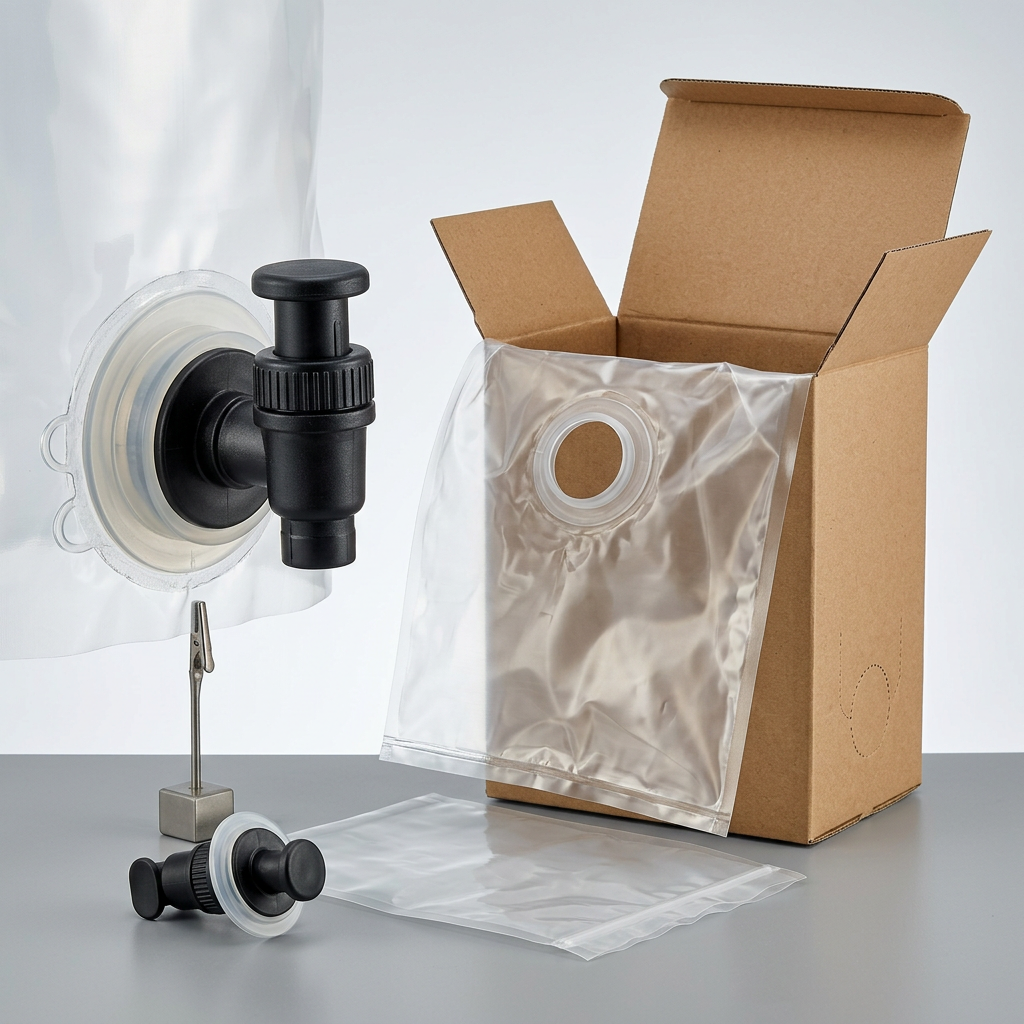
Bag-in-Box tap and fitment selection is the process of specifying the dispensing and filling components that connect a flexible liquid bag to its filling, storage, transport and end-use requirements. For liquid brands, the correct choice is not simply a matter of choosing a tap shape. The tap, fitment, bag film, seal area, outer carton and filling equipment must work as one packaging system.
A fitment is the component sealed or welded into the bag that creates a controlled opening for filling, dispensing, or both. A tap is the user-operated dispensing closure attached to, or used with, that opening. Some formats use a fitment with a cap for filling and later apply a dispensing component; others are designed as an integrated dispensing arrangement. The terminology and component architecture can vary by supplier and application, so procurement documents should describe the required function rather than rely on a name alone.
The selection should begin with the liquid: its viscosity, acidity or alkalinity, alcohol content, aroma sensitivity, particulate content, target shelf-life, filling temperature and intended storage conditions. Then assess how the buyer will fill the pack and how the customer will dispense from it. This system view helps reduce risks such as leakage, poor flow, difficult opening, product contamination, seal failure or a carton opening that does not align with the tap.
For a broader explanation of the format, see what Bag-in-Box packaging is and how the system works.
Start with the Liquid and Product Life Cycle

Component selection should be based on the actual product and process conditions, not on a tap used for a different beverage, food or industrial liquid. Ask the product team for a concise technical profile before requesting quotations or samples.
- Viscosity and flow behavior: Thin liquids can dispense rapidly, while thicker concentrates, sauces, syrups and gels may need a flow path that supports controlled discharge. Products with suspended particles need additional review because particles may affect flow or collect near the dispensing area.
- Chemical characteristics: pH, salt level, oils, alcohol, solvents, surfactants and aggressive cleaning ingredients can influence material compatibility. A component that is suitable in appearance is not automatically suitable for contact with a particular formula.
- Oxygen and aroma sensitivity: Products susceptible to oxidation, flavor change or aroma loss require the bag structure and closure system to be evaluated together. A high-barrier bag material should not be specified in isolation from the opening and sealing design.
- Temperature exposure: Consider filling temperature, cooling, warehouse climate and possible temperature excursions during transport. Heat can change seal behavior and liquid pressure; cold can change viscosity and dispensing performance.
- Use after opening: Define the expected period between first opening and final dispense, plus how the pack will be stored during this period. This is particularly important for foodservice, beverage dispensing and refill applications.
Share representative product samples and the intended storage profile with the packaging supplier when possible. Final compatibility and performance should be confirmed through testing using the actual liquid, selected bag structure and production filling process.
Understand the Different Jobs of Taps and Fitments
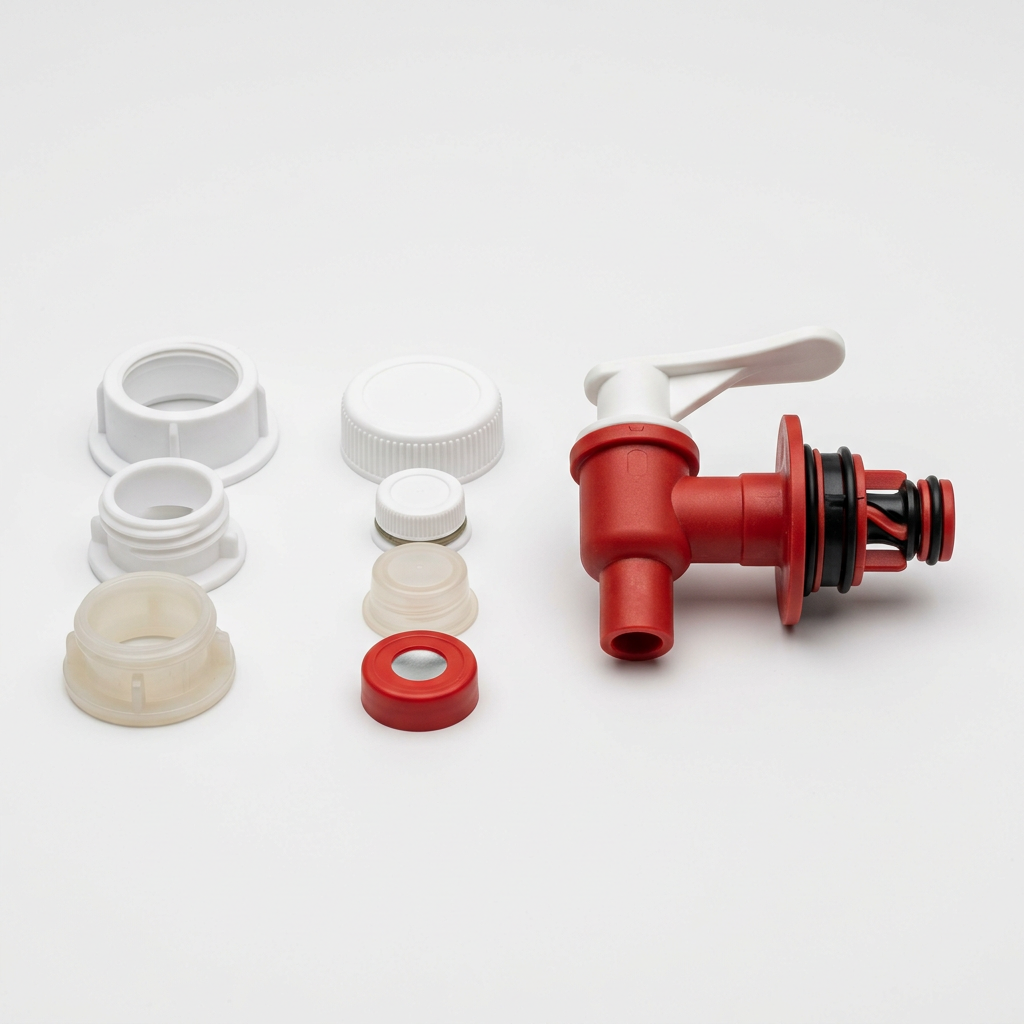
A useful procurement approach is to separate the functions required at the bag opening. A component may need to support one function or several: filling, venting, product transfer, controlled dispensing, tamper indication, reclosing or connection to downstream equipment. Each function affects the component design and the way it is integrated with the bag.
Filling fitments are selected around the filling method. They need to suit the filler connection, filling speed, temperature and hygienic controls used by the brand or contract packer. Dispensing taps are selected around consumer or operator use: opening force, flow control, direction of discharge, reclosure and the likelihood of dripping after use. Connector-style fitments may be appropriate when the bag connects to a dispenser, transfer line or appliance rather than being poured directly.
Do not assume that a larger nominal opening is always better. The practical outcome depends on liquid viscosity, internal geometry, tap actuation, bag collapse during emptying and the orientation of the pack. Likewise, a compact tap can be appropriate for smaller retail or foodservice packs, but it must still be compatible with the required flow and carton access opening.
Ask suppliers to clarify whether the quoted component is a standard item, whether it is supplied pre-applied to the bag, and what complementary cap, membrane, connector or tamper-evident element is included. This avoids comparing quotations that use different component scopes.
Match the Dispensing Format to the End Use
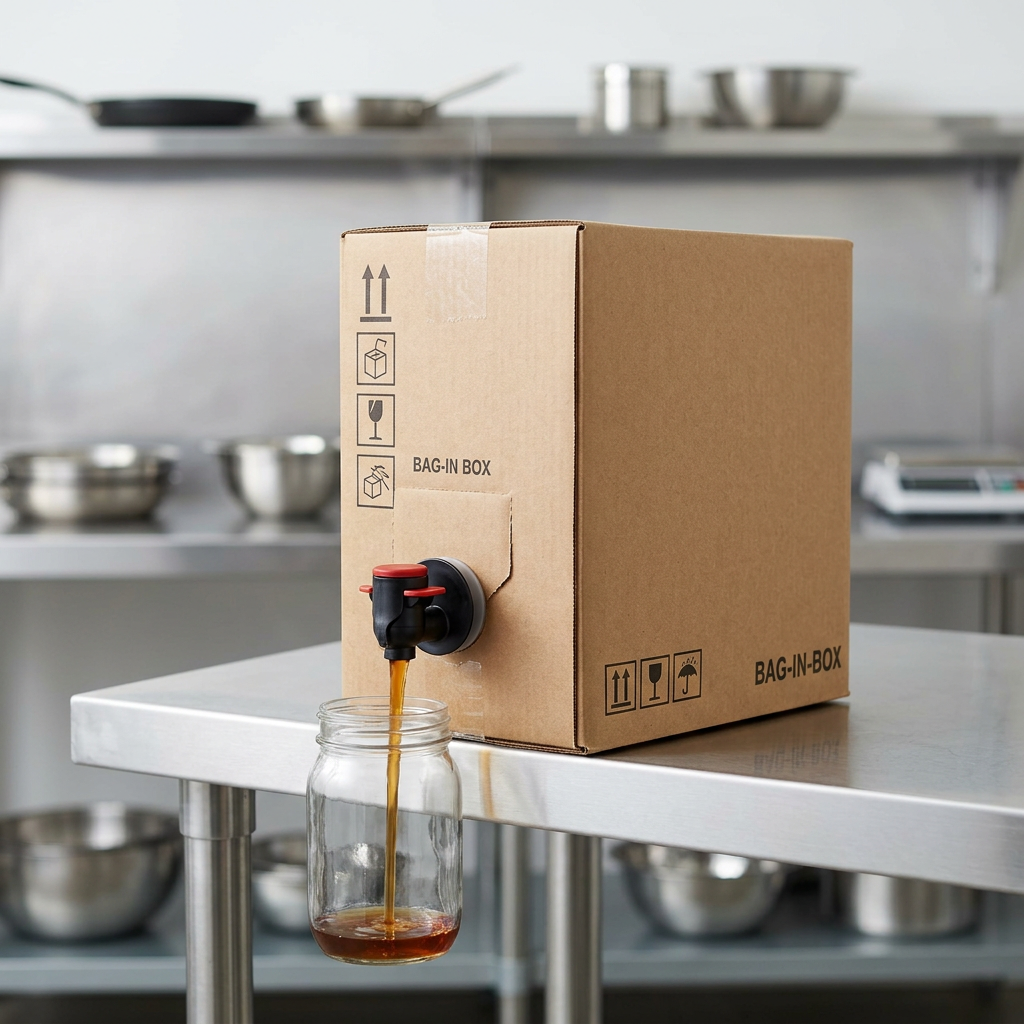
The end-use environment determines what “good dispensing” means. A tap that works well for a countertop beverage service may not be suitable for a back-of-house ingredient pack or an industrial liquid transfer application.
Retail and consumer use
Prioritize intuitive operation, clear access through the carton, comfortable actuation and controlled pour behavior. The carton die-cut must expose the tap without obstructing movement, and the pack should remain stable as the liquid level falls. Consider whether consumers will dispense into narrow containers, cups or cookware.
Foodservice and hospitality
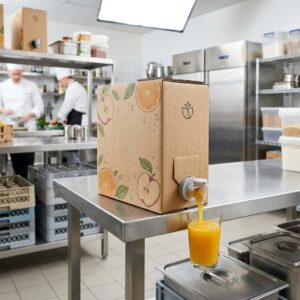
For high-frequency use, evaluate repeatability of operation, flow control, drips after closing and staff handling. The bag capacity and carton strength should be selected for the service routine, including where the pack sits during use and whether it is moved while partially full.
Ingredient, concentrate and industrial liquids
Assess the required dispensing accuracy, product viscosity, potential for residue, worker gloves or protective equipment, and any connection to pumps or dosing equipment. For non-food liquids, material compatibility and safe handling requirements deserve particular attention. A technical review is preferable to selecting a component based solely on a similar-looking package.
When communicating requirements, state whether the product is poured, gravity-dispensed, connected to equipment, or transferred by a pump. Also state the dispensing orientation: horizontal carton opening, upright container, suspended bag or another configuration.
Check the Filling Process Before Finalizing Components
The filling process is often the constraint that determines the available fitment options. Procurement should obtain information from the filling line owner early, especially when packaging is being introduced to an existing line.
Confirm the filler type, connection method, filling orientation, target fill volume range, product temperature, cleaning method and whether the operation uses ambient, hot-fill or aseptic processing. Aseptic processing is a controlled packaging process intended to maintain commercial sterility by filling a treated product into a suitably prepared package under controlled conditions. It is not a label that can be assigned to a fitment alone; the complete packaging component set and filling operation must be designed and validated for the process.
Also ask how the fitment is applied. Some bag designs receive the component during bag conversion, while other systems involve a separate operation before or after filling. The supplier needs the correct information to evaluate seal construction, component geometry and pack handling. If a co-packer is used, involve its operations team in sample approval rather than sending a component choice to the line after purchase.
A small pilot run is valuable because it checks practical issues that drawings cannot reveal: filler engagement, product splash, seal contamination, carton erection, fitment alignment and operator handling. Final material and component selection should always be confirmed with the packaging supplier and the actual filling process.
Coordinate the Fitment with Bag Material and Barrier Needs
The flexible bag is usually a multilayer structure chosen to provide the needed balance of product contact, sealing, mechanical strength and barrier protection. Barrier refers to a material’s ability to resist the passage of substances such as oxygen, water vapor or aroma compounds. The required barrier depends on the product and its intended life cycle.
The fitment-to-bag interface is therefore a critical engineering area. The bag seal layer must be compatible with the fitment flange and the selected joining method. Seal geometry, weld conditions, handling stresses and liquid pressure all influence the integrity of that interface. A fitment choice should be reviewed together with the film structure rather than selected as an independent accessory.
For oxygen-sensitive beverages, edible oils, flavor-rich products or other products where quality can change over time, ask the supplier to consider the entire pack construction, including film, fitment area and closure arrangement. For products that are less barrier-sensitive but subject to demanding handling, mechanical durability and seal robustness may be the greater priority. The right balance is application-specific.
Review the system fundamentals in this guide to Bag-in-Box packaging components and their roles before locking the bag specification.
Specify the Outer Carton and System Interface
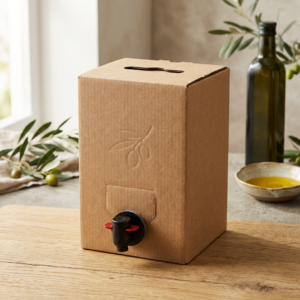
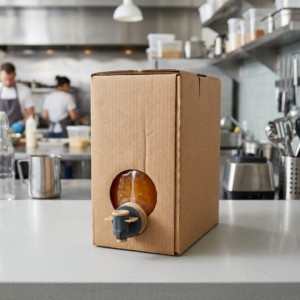
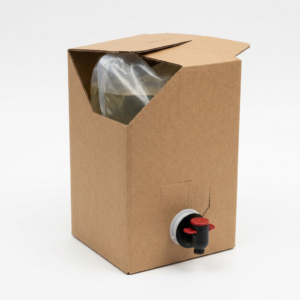
A Bag-in-Box pack is incomplete until the bag, tap and carton work together. The outer carton protects the filled bag in distribution and creates the access point for dispensing. Its dimensions, board construction, die-cut location and graphics should be developed around the actual filled bag and tap arrangement.
Ensure the tap sits in the intended position after filling and cartoning. The carton opening should allow the user to access and operate the tap without tearing the board excessively or pinching the component. Consider pack orientation during palletization, warehouse storage and transport, because a misplaced or poorly protected tap can be exposed to compression or impact.
Printing requirements should also be settled early. Brand artwork, handling instructions, product identification, destination-market language and any required labeling should be assessed alongside the structural design. For brands seeking a coordinated bag and carton project, a manufacturer’s packaging development capability matters as much as the individual component catalogue. Learn more about considerations when evaluating Bag-in-Box manufacturers during supplier qualification.
Build a Usable Procurement Specification
A clear specification makes supplier discussions more efficient and reduces the chance that samples, quotations and production goods are based on different assumptions. It should describe the pack at system level and identify which points are fixed versus open for supplier recommendation.
- Product name, liquid description and known compatibility considerations.
- Target bag capacity and acceptable fill-volume range.
- Bag dimensions, preferred film approach or required barrier objective, if known.
- Fitment purpose: filling, dispensing, transfer, or a combination.
- Tap operation and intended dispensing environment.
- Filling method, product temperature and filling-line interface.
- Carton style, tap access position, shipping configuration and storage orientation.
- Printing requirements for the bag and/or carton, including artwork status and market language.
- Destination market and any buyer-specific documentation or testing expectations.
- Sample, pilot and production approval stages, including responsible parties.
Where technical details are uncertain, state the business requirement instead of guessing a component code. For example, specify “reclosable controlled dispensing from a countertop carton for a viscous food ingredient” and ask the supplier to recommend a compatible solution. This gives the converter useful design intent while keeping the final selection evidence-based.
Validate the Complete Pack, Not Only the Tap
Sample approval should test the assembled Bag-in-Box system under conditions that represent filling, distribution and use. An attractive tap sample does not prove that the final pack will perform after it is sealed into a bag, placed in a carton and handled through the supply chain.
A practical validation plan may include checks for component fit and seal appearance, filled-pack leakage, carton/tap alignment, dispensing behavior, reclosure, product residue, transport handling and storage observations. The appropriate test plan depends on the product category and risk profile. Products with sensitive formulations, challenging temperatures or specialized filling processes may need a more detailed evaluation developed by the brand, filler and packaging supplier.
Keep approved samples, drawings, artwork versions and process notes under document control. If the liquid formula, filler, bag capacity, tap style, carton dimensions or destination market changes later, assess whether revalidation is needed. This discipline is especially useful for multi-market brands and contract-packing programs.
Supplier experience should be evaluated against the specific application, not only against general category claims. The overview of Bag-in-Box manufacturer evaluation factors can help procurement teams frame this discussion.
Common Selection Mistakes to Avoid
The most frequent procurement errors arise when one part of the system is chosen in isolation. Avoid selecting a tap only from a photograph, specifying film barrier without reviewing the fitment seal area, or approving samples before the filling operation is involved. It is also risky to assume that a tap used for water or juice will be suitable for a viscous, oily, alcoholic or chemically active product.
Another common issue is incomplete communication: the supplier receives a capacity and artwork but not the filling temperature, dispensing orientation, product profile or carton requirement. Provide these details at the quotation stage, then confirm them again before sampling and production. A technically complete brief supports more meaningful recommendations and a more controlled approval process.
In summary, successful Bag-in-Box tap and fitment selection starts with the liquid and ends with validation of the full packaging system. Confirm final bag material, fitment, tap and carton choices with the packaging supplier and filling process before commercial release.