Table of Contents
- What material selection means in beverage bag-in-box
- Start with the beverage and its filling process
- Evaluate oxygen, moisture and light barrier needs
- Choose the inner-bag film structure
- Match fitments and dispensing components
- Specify the outer carton and logistics protection
- Create a practical procurement specification
- Conclusion
A practical B2B guide to selecting bag-in-box films, fitments and outer cartons for beverage applications, from still juices and water to wine, syrups and beverage concentrates.
What Material Selection Means in Beverage Bag-in-Box
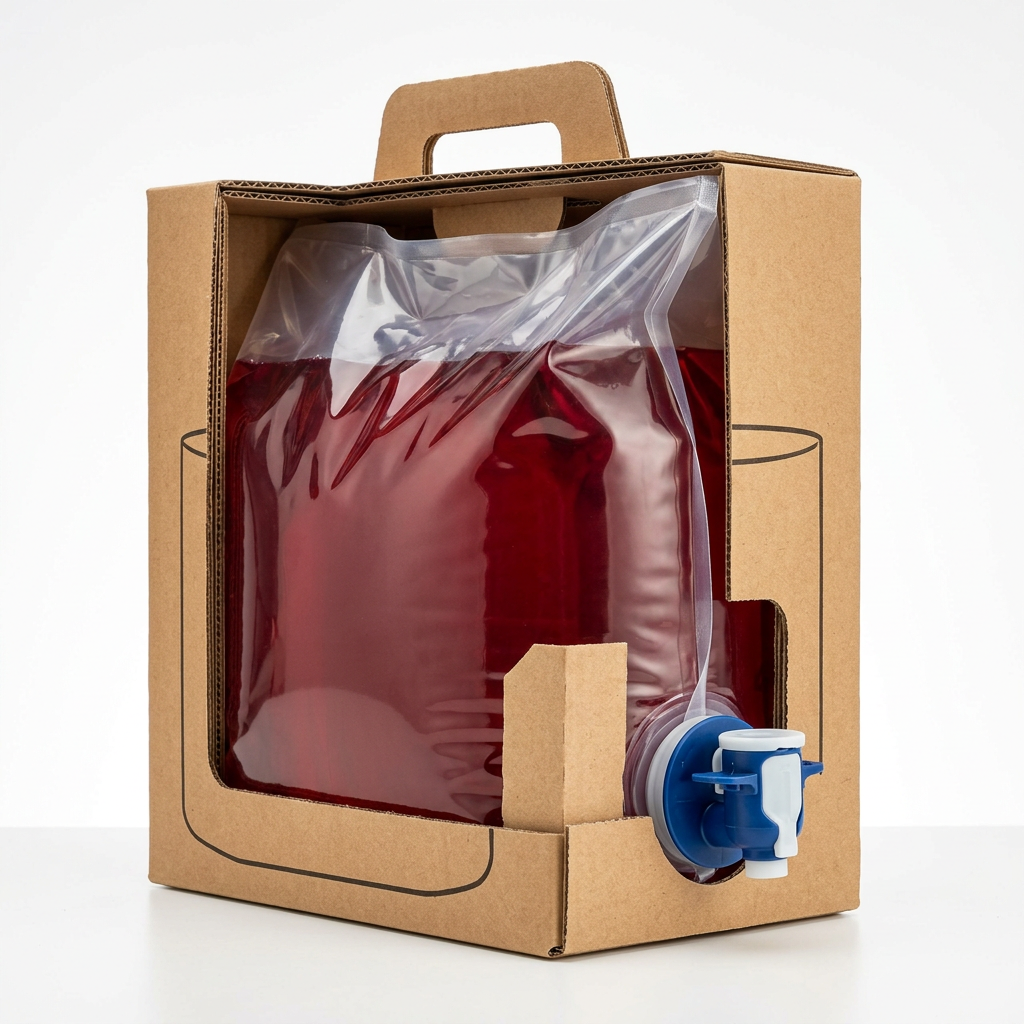
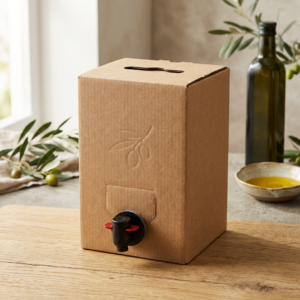
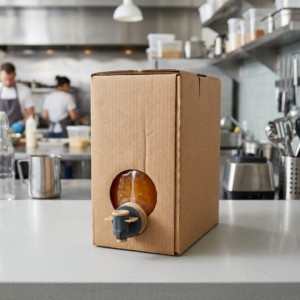
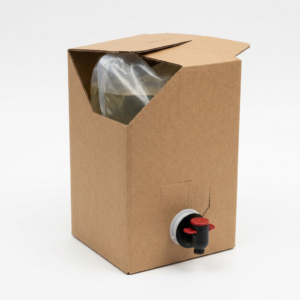
Bag-in-box packaging materials for beverages should be selected around the drink’s composition, required shelf life, filling conditions, dispensing method and distribution environment. A bag-in-box (BIB) system is a liquid package made of a flexible inner bag, a dispensing fitment or valve, and a protective outer carton. The bag contacts the beverage; the fitment controls filling and pouring; the carton supports stacking, handling and retail presentation.
There is no universal film structure for every beverage. Water, juice, wine, dairy-based drinks, cocktail mixes and concentrates can place very different demands on the package. A material that is suitable for a short-turnaround still beverage may not provide the oxygen or light protection needed for an oxidation-sensitive product. Conversely, specifying a complex barrier structure without a product-driven reason may add cost and processing complexity.
Start by treating the package as a complete system rather than choosing the bag film in isolation. The bag, seals, fitment, carton, filling line and transport route must work together. For an overview of the system components and operating principle, see this guide to bag-in-box packaging.
Start With the Beverage and Its Filling Process
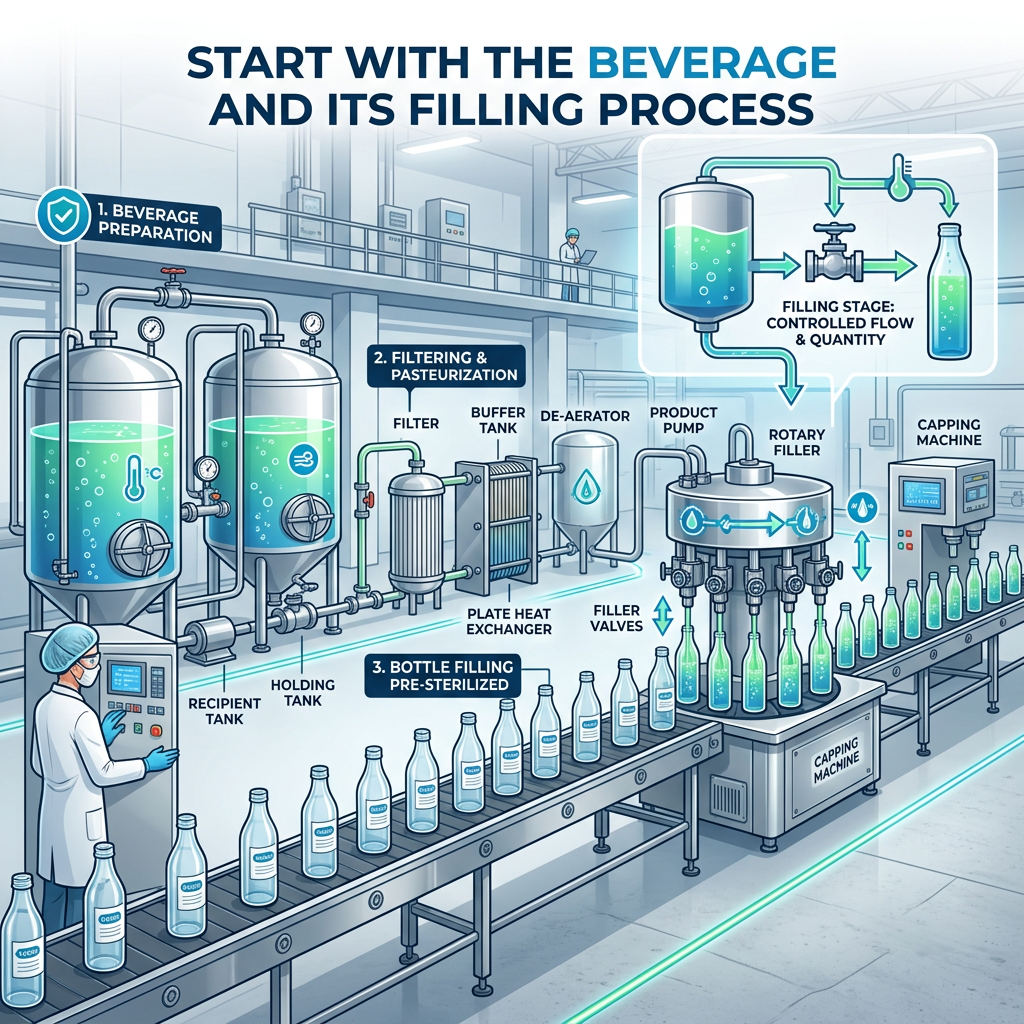
The beverage itself is the first material-selection input. Provide the packaging supplier with a clear product description, including whether the liquid is still or carbonated, acidic or neutral, alcohol-containing, dairy-based, oil-containing, pulpy, high-sugar or concentrated. These characteristics can affect film compatibility, seal integrity, fitment design and the way the product flows during dispensing.
Acidic juices, for example, require a structure whose food-contact layer and seals are appropriate for the product and its storage conditions. A beverage containing pulp or particulates needs a dispensing opening and valve arrangement that can pass the product without frequent blockage. Concentrates and syrups are more viscous than ready-to-drink beverages, so they can need a fitment that supports controlled flow and practical emptying. Carbonated beverages need particularly careful technical evaluation because internal pressure can change package demands; final feasibility should be confirmed through filling and distribution testing.
Also describe the filling process. Important inputs include ambient, warm or hot filling; cleaning and sanitation procedures; expected fill volume; headspace approach; and whether the bag is filled through a manual, semi-automatic or automated line. Heat exposure, filling speed and handling can influence seal design and film selection. A material should be evaluated with the actual filling equipment and product, not only from a generic material description.
Storage conditions matter as much as the filling event. Identify the intended storage temperature, expected warehouse duration, possible temperature variation in transit and whether the product will be refrigerated after opening. If the beverage is sold through foodservice dispensing equipment, evaluate the package in the intended dispenser as well.
Evaluate Oxygen, Moisture and Light Barrier Needs
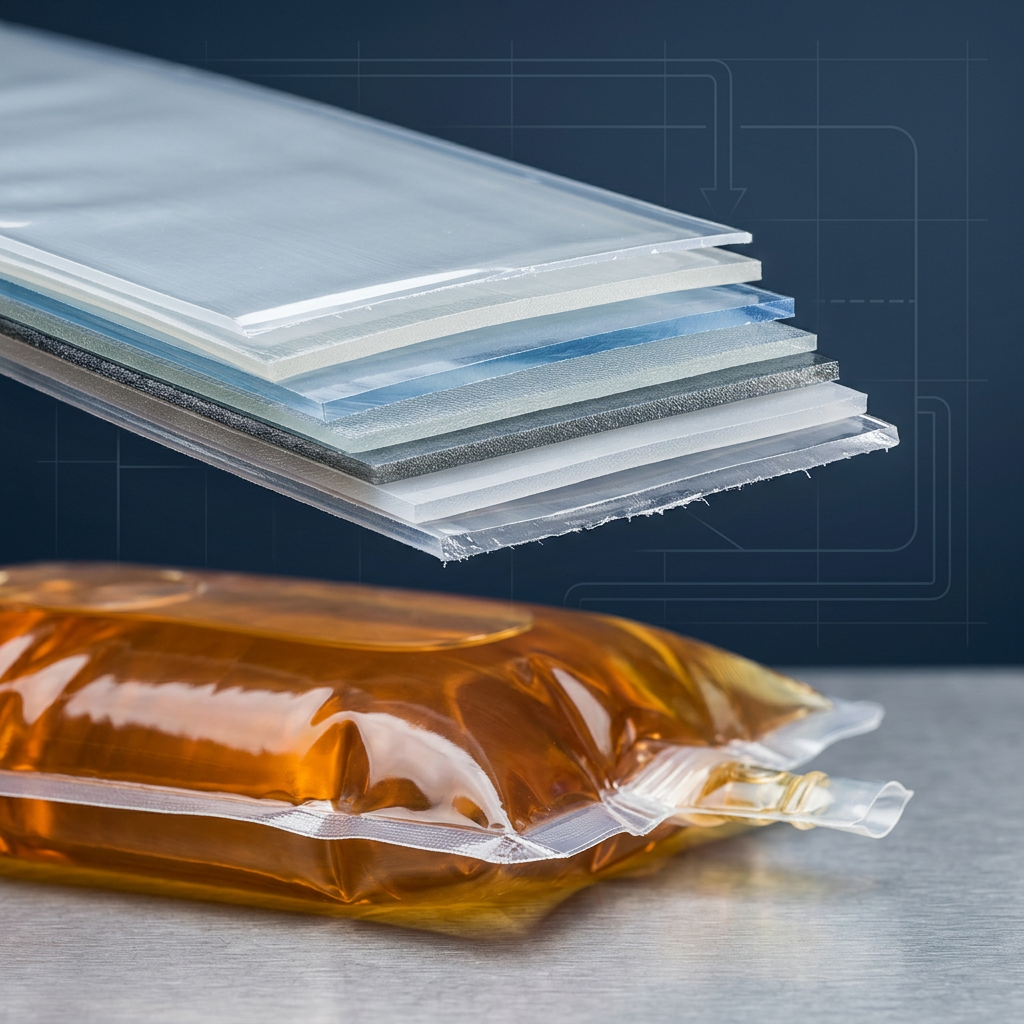
A barrier is a material’s ability to slow the transfer of gases, moisture, aromas or light through a package. For beverages, oxygen barrier is often a central consideration because oxygen exposure can contribute to flavor change, color change or quality loss in sensitive products. Light barrier can also be important for beverages affected by light exposure. Moisture barrier is relevant where maintaining product concentration or protecting the package in humid conditions is a concern.
Barrier requirements should be based on the beverage’s validated quality targets, not on assumptions. Ask the product owner or technical team what factors are known to affect stability: oxygen, light, aroma loss, temperature, microbiological controls, or another mechanism. Then match the film structure and carton design to those risks.
Common flexible-packaging structures combine layers because one layer rarely provides every function. Polyethylene is frequently used as a sealant and food-contact layer because it can form heat seals. Polyester may contribute strength and dimensional stability. Nylon can add puncture resistance in some structures. Metallized layers or aluminum foil can be considered where higher light and gas barrier is needed. The appropriate arrangement depends on the beverage, converting process, fill process and end-of-life requirements.
Higher barrier is not automatically better. Foil-based or metallized constructions can bring useful protection, but they may alter material complexity, inspection needs, folding behavior or recycling pathways. A transparent structure may be preferred when product visibility is important, while an opaque solution may be selected for light-sensitive products. The supplier should explain the role of each layer and validate the complete structure against the beverage application.
Choose the Inner-Bag Film Structure
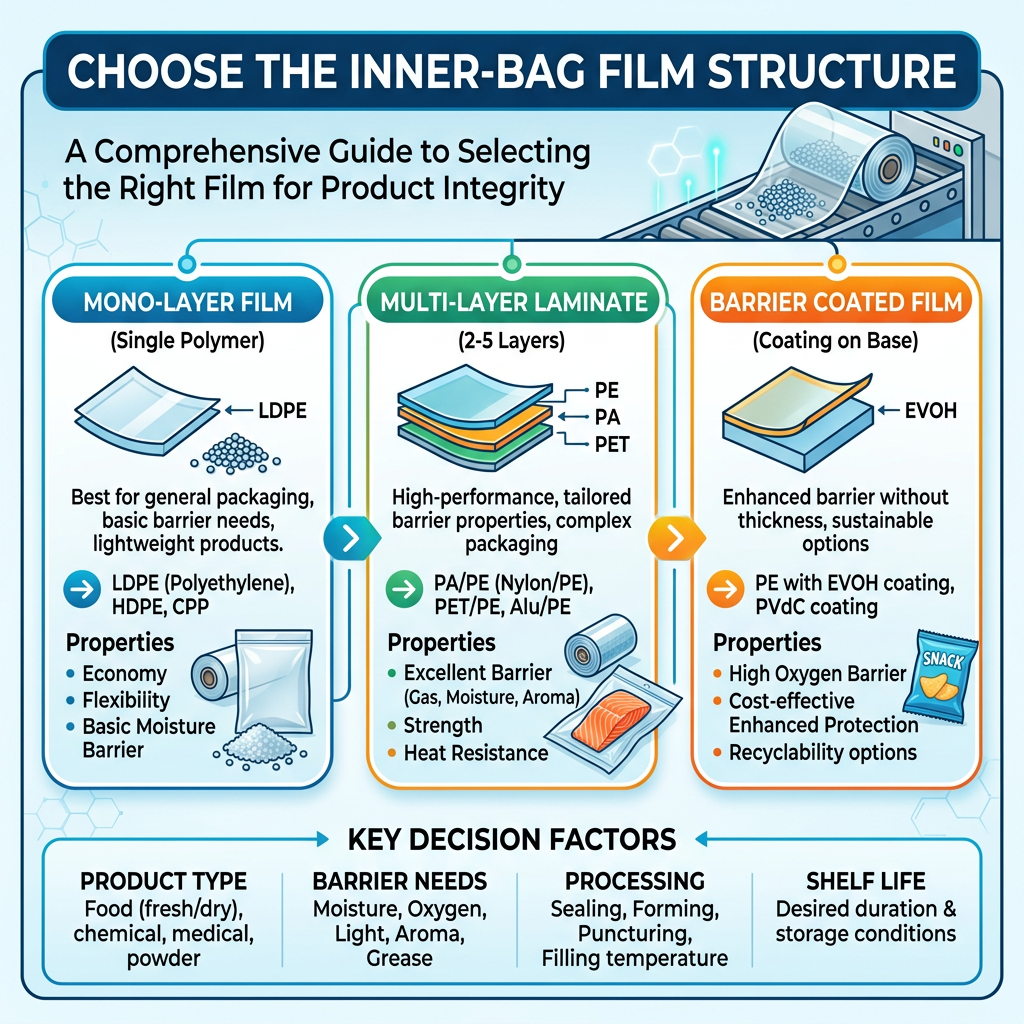
The inner bag is the primary product-contact component, so its film structure deserves the most detailed review. Specify the required bag capacity, shape, fill orientation, film feel, handling conditions and dispensing configuration. These factors help determine whether a single-web or multi-layer laminated construction is appropriate.
Seal performance and chemical compatibility
Heat seals must remain secure throughout filling, packing, shipping and use. Seal performance depends on the sealing layer, sealing conditions, product contact and the geometry of the bag and fitment. Beverages that wet the seal area during filling, contain oils, or are filled at elevated temperatures should be assessed carefully. Product compatibility includes not only the main beverage but also flavorings, acids, alcohol, oils and cleaning residues that may contact packaging surfaces.
Mechanical strength and flex durability
The bag must tolerate handling before it is protected by the carton and must resist stress during filling and dispensing. Puncture resistance, tear resistance and flex-crack resistance are practical considerations, especially for larger capacities, long transport routes or applications with rough handling. Corners, folds and the fitment area are common locations requiring careful package design.
Food-contact and migration review
For a beverage sold in a particular destination market, confirm that the proposed product-contact materials and inks used in the finished package are appropriate for the applicable requirements. This assessment should be completed for the actual film, adhesive, ink system, beverage and intended use conditions. Procurement teams should avoid relying solely on a material family name when requesting compliance documentation.
For buyers comparing manufacturing partners, it is useful to assess their converting capability, quality approach and ability to discuss application-specific structures. A broader market overview is available in this review of bag-in-box manufacturers.
Match Fitments and Dispensing Components to Use
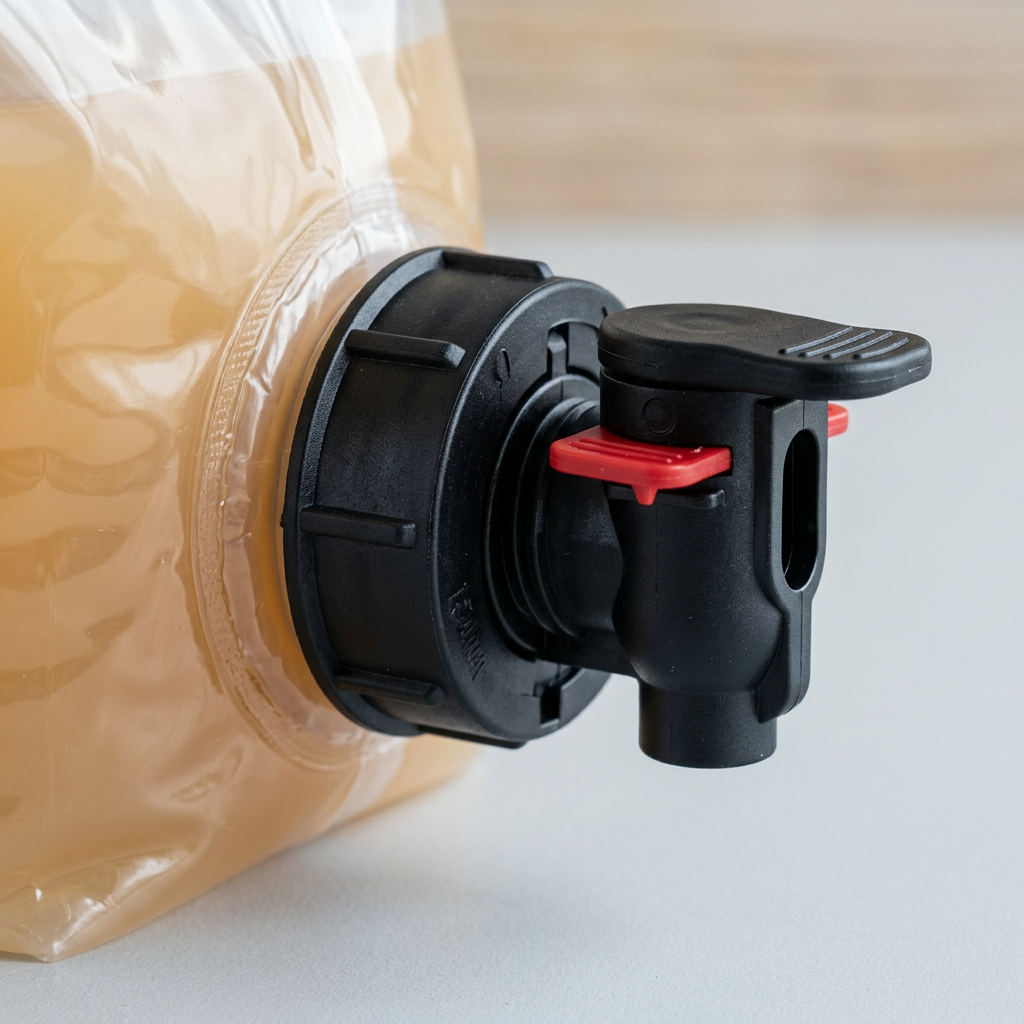
A fitment is the molded component attached to the bag that creates the filling and dispensing interface. Depending on the application, it may work with a cap, tap, gland, connector or valve. Its selection affects filling efficiency, opening convenience, flow control, product protection after opening and compatibility with dispensing equipment.
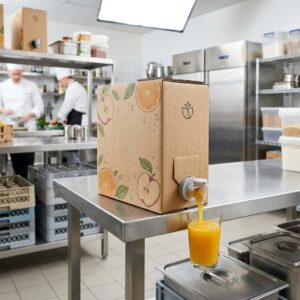
For home-use beverage packs, buyers often prioritize intuitive opening, controlled pouring and resealability. For foodservice or institutional use, the fitment may need to connect reliably to a dispenser or allow repeatable high-volume dispensing. For viscous beverage bases, check the internal flow path and outlet size. For pulpy products, confirm that the opening and valve arrangement suit the particle size and product behavior.
The fitment-to-film seal is as important as the fitment itself. The materials, flange design and sealing process must form a robust connection with the selected bag structure. A change in film, bag thickness, fitment supplier or filling condition can affect this interface. Request trial samples and evaluate filled packs under realistic handling and dispensing conditions before final approval.
Consider tamper-evidence, cap retention, user ergonomics and secondary packaging protection where relevant. These are functional choices rather than decorative details, and they should be included in the package brief early enough to avoid late redesign.
Specify the Outer Carton and Logistics Protection
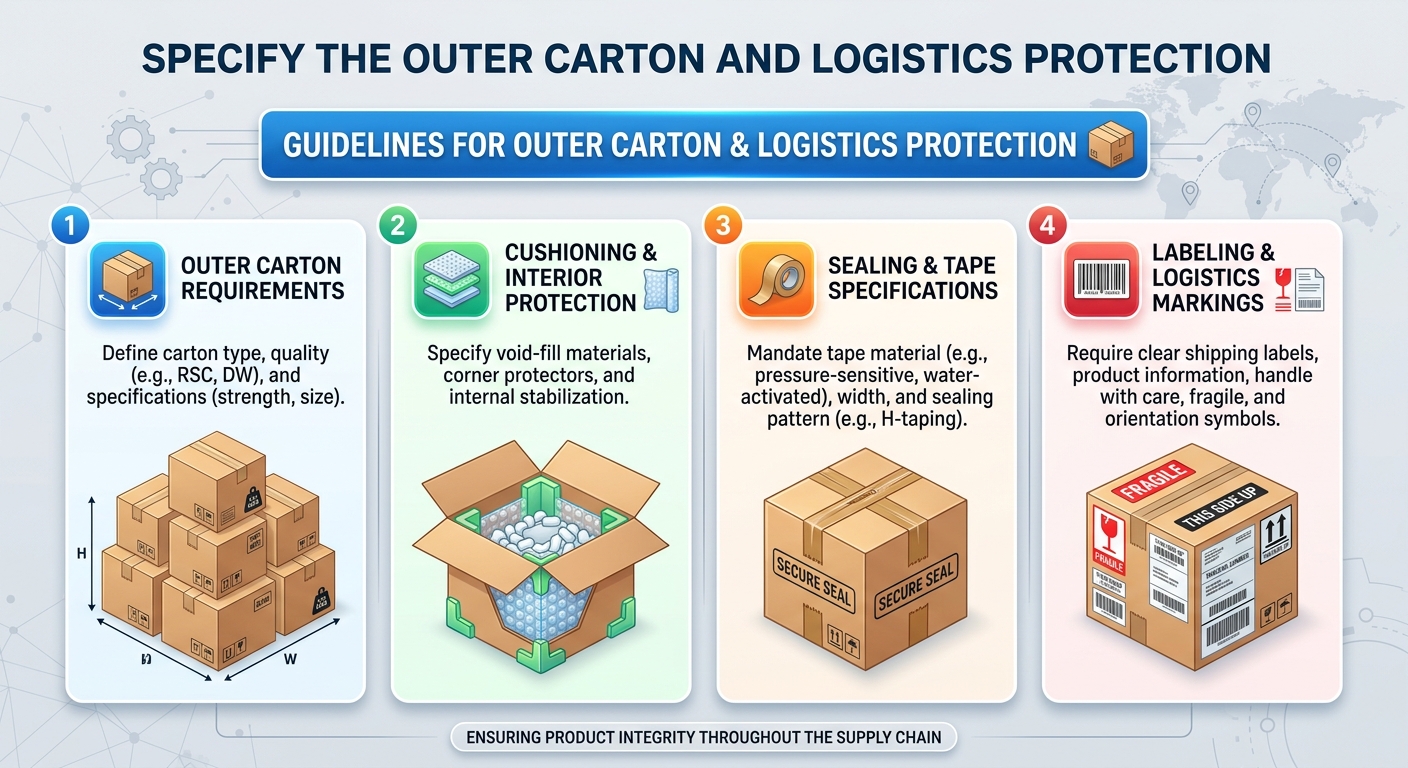
The carton protects the filled bag, carries printed information and provides a stable unit for storage and transport. Carton specification should account for bag capacity, pallet pattern, stacking conditions, distribution distance, warehouse humidity and whether the pack will be displayed or dispensed directly from the carton.
Carton dimensions should support the filled bag without excessive empty space, which can allow movement and concentrate stress at corners or around the fitment. The dispensing opening should align correctly with the fitment and remain easy for the end user to access. If the product is intended for shelf display, evaluate print legibility, orientation marks and opening instructions in the actual retail or foodservice environment.
Transport testing should reflect the route rather than only the factory floor. Consider compression during stacking, vibration, impacts, temperature changes and potential moisture exposure. The carton cannot compensate for an unsuitable bag structure, and a strong bag does not eliminate the need for an appropriately designed carton. Joint evaluation of both components reduces avoidable leakage and handling risk.
When reviewing a BIB format for the first time, return to the basic system design described in the bag-in-box packaging overview and map each component to your beverage’s filling, distribution and dispensing requirements.
Create a Practical Procurement Specification

A clear technical brief helps suppliers recommend suitable bag-in-box packaging materials for beverages and makes quotations more comparable. Include the information below before requesting samples or commercial proposals.
- Beverage type, ingredients that may affect packaging, viscosity and particulate content.
- Target bag capacity, annual or order quantity, destination market and intended sales channel.
- Required storage conditions, target shelf-life objective and known oxygen or light sensitivity.
- Filling temperature, filling method, production-line details and sanitation process.
- Preferred dispensing method, fitment or valve needs, and any dispenser interface.
- Carton dimensions, printing requirements, palletization expectations and transport route.
- Required technical documents and product-validation steps for the destination market.
Ask the supplier to distinguish confirmed characteristics from items that require trials. This is especially important if you are changing beverage formulation, moving to a different capacity, introducing a new dispensing system or exporting to a new market. Sample evaluation should cover fill performance, seal appearance, leak resistance, carton fit, dispensing behavior and storage observations under relevant conditions.
For buyers seeking a foundation before issuing a request for quotation, understanding the bag-in-box system can help internal product, operations and procurement teams use the same terminology.
Conclusion
Choosing bag-in-box packaging materials for beverages begins with the product and ends with validation of the complete package system. Define the beverage, filling process, storage and dispensing conditions first. Then select film barrier, sealant layers, fitment and carton protection around those requirements. Final material selection should always be confirmed with the packaging supplier and the actual filling process, using representative product and application testing.