Table of Contents
- What Is Sauce Bag-in-Box Packaging?
- Assess the Sauce Before Selecting the Pack
- Bag Materials and Barrier Requirements
- Filling Guide for Sauce Bag-in-Box Packaging
- Fitments and Dispensing Configuration
- Storage, Handling and Transport
- Procurement Checklist for Buyers
- Conclusion
A practical B2B guide to selecting, filling and dispensing sauce bag-in-box packaging for foodservice, ingredient and retail-oriented sauce applications.
What Is Sauce Bag-in-Box Packaging?

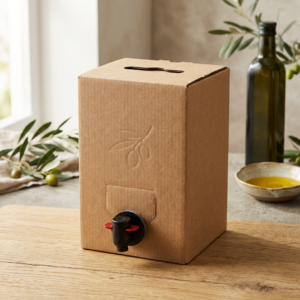
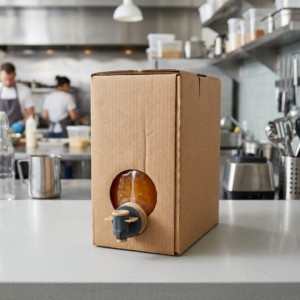
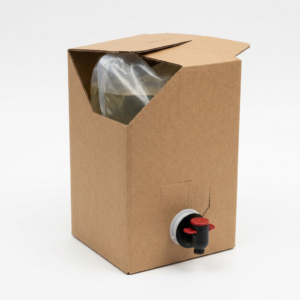
Sauce bag-in-box packaging is a packaging format in which sauce is filled into a flexible inner bag, closed with a dispensing fitment, and supported by an outer corrugated carton. It is commonly considered for foodservice sauces, condiments, culinary bases, dressings and other pourable or pumpable food products where controlled dispensing and bulk handling are important.
A fitment is the plastic component attached to the bag that provides a filling and dispensing connection. A barrier is the material property that helps limit the transfer of gases, moisture, aromas or light through the package. In a bag-in-box system, the inner bag is the primary product-contact package, while the carton protects the bag during handling, warehousing and distribution.
For sauce applications, the package cannot be selected by capacity alone. Product viscosity, acidity, oil content, particulates, filling temperature, expected shelf-life conditions and the intended dispenser all affect the bag structure and fitment choice. The right specification should support the actual production and end-use process rather than relying on a generic liquid-packaging construction. For a broader explanation of the format and its components, see this guide to what bag-in-box packaging is.
Assess the Sauce Before Selecting the Pack

The product specification is the starting point for a sauce bag-in-box project. Sauces vary substantially: a thin vinegar-based dressing behaves differently from a high-viscosity ketchup, an oil-rich mayonnaise-style sauce, or a sauce containing herb, vegetable or spice particles. A packaging supplier and filling team need enough product information to assess both package compatibility and operational suitability.
Product flow and viscosity
Viscosity describes a liquid’s resistance to flow. Higher-viscosity sauces generally need a fitment opening, dispensing valve and transfer path that can handle the product without excessive force or erratic flow. The entire system matters: product temperature at use, hose diameter, pump type, dispensing height and the operator’s method all influence actual performance. A bag that fills successfully may still dispense poorly if the fitment and dispensing equipment are not matched to the sauce.
Acidity, oils and ingredients
Acidic formulations, oil-containing sauces, salt, sugar, alcohol-containing ingredients and strong flavor compounds can each affect material compatibility and flavor protection requirements. Suspended particulates require separate attention because they can bridge at narrow flow paths, accumulate around valves or complicate cleaning of dispensing equipment. Provide the supplier with a representative product description, pH where available, ingredient considerations, particle size information and storage conditions. Compatibility should be evaluated through appropriate trials rather than inferred from a product name alone.
Intended market and use case
A back-of-house refill pack, a quick-service restaurant dispenser pack and an industrial ingredient pack may use the same basic bag-in-box principle, but they impose different requirements. Foodservice operations may prioritize clean, repeatable portions and easy operator changeover. Ingredient users may prioritize controlled transfer into a process vessel. Retail-oriented products may place additional emphasis on carton presentation and consumer handling. Define who will connect, dispense and dispose of the pack before approving the format.
Bag Materials and Barrier Requirements

Most bag-in-box bags use a multilayer flexible structure. A multilayer structure combines different films so that each layer can contribute a function, such as product contact, sealing, mechanical strength or barrier protection. The appropriate structure depends on the sauce and the validated filling and storage conditions.
For sauces that are sensitive to oxidation, aroma change or flavor loss, barrier selection should be considered alongside the product’s expected distribution and use cycle. The barrier need is not determined only by whether a sauce is refrigerated or shelf-stable. Headspace management, processing method, fill temperature, light exposure, carton protection and time after opening can all influence the packaging decision.
The sealant layer is particularly important because it forms the package seals and interfaces with the fitment. Seal performance can be affected by sauce residue at the filling area, product temperature, filling speed and the geometry of the bag. A robust specification should therefore cover both film construction and fitment integration, rather than treating them as separate purchasing items.
Material selection for sauce bag-in-box packaging should be confirmed with the packaging supplier and the filling process. Request that the review addresses the actual formula, product-contact conditions, filling route, storage environment and dispensing equipment. Where a product is processed for ambient storage, align packaging decisions with the thermal process and package sanitation approach. This comparison of aseptic versus hot-fill bag-in-box systems provides useful context for evaluating those process routes.
Technical caveat: A high-barrier material is not automatically the correct solution. It must also be compatible with sealing, fitment attachment, conversion requirements and the intended filling process. Final validation should include representative packs under relevant conditions.
Filling Guide for Sauce Bag-in-Box Packaging

Successful filling depends on managing the package, product and equipment as one system. Before production, establish the product temperature at the filler, target fill volume or weight, filling method, closure method, expected line speed and sanitation controls. Confirm that the filler is designed to work with the selected fitment and bag geometry.
Prepare the filling trial
Use production-representative sauce whenever possible. Water trials are useful for checking equipment motion and basic fill paths, but they do not reliably predict the behavior of thick, particle-containing or temperature-sensitive sauces. During a trial, examine filling consistency, fitment closure, visible product contamination at the seal or closure area, bag handling, carton loading and dispensing from filled packs.
Manage temperature and product condition
Temperature changes viscosity and can alter how a sauce fills and dispenses. If the product is filled warm, the selected bag structure and fitment must be suited to the actual fill condition. If it is filled cold, the flow characteristics and de-aeration approach may differ. Processing method, product treatment and sanitation requirements should be defined by the brand owner and process authority; packaging is one part of that larger food-safety system.
Control air and closure quality
Excess air can influence product behavior and package appearance, and may be relevant to oxidation-sensitive formulas. The filling configuration should apply the appropriate process for the product and equipment. Verify that the closure is fully engaged and that the fitment has not been damaged during capping, bag handling or carton insertion. Routine checks should be based on the approved quality plan and may include visual inspection, fill verification, closure checks and package integrity evaluation.
Validate the complete route
Do not stop validation at the filler. Filled packs should be assessed after normal handling, storage and dispensing. Include the secondary carton, pallet pattern and anticipated transportation stresses in the evaluation. This is especially important when a sauce will be dispensed repeatedly over time, because an acceptable first dispense does not prove performance through the full use cycle.
Fitments and Dispensing Configuration

The fitment is the connection point between the filled bag and the operational dispensing method. For sauce bag-in-box packaging, choosing a fitment means considering more than opening diameter. The design must connect correctly to the filler and, later, to the chosen tap, pump, coupler or transfer line.
Thin sauces may be suitable for gravity dispensing when the carton orientation, outlet position and product flow allow it. Thicker sauces may require a pump-assisted system or a purpose-designed dispensing interface. For products with particles, assess whether the narrowest part of the route, including the fitment and valve, allows consistent product passage. A nominally compatible fitment should still be trialed with the real formula.
Dispensing ergonomics also matter in commercial kitchens. Operators should be able to identify the connection, install the pack correctly and control the product without unnecessary drips or force. The carton die line and fitment location must work together so the outlet is accessible when the pack is placed in its dispenser or service position. If a carton is pre-scored or has a perforated outlet panel, its opening action should be reviewed under normal operating conditions.
Specify the intended dispensing equipment early. Changing from manual gravity dispensing to a pump after the bag is approved can change the requirement for fitment geometry, bag dimensions and carton orientation. It may also alter the residual product that remains in the pack at the end of use. Confirm interface compatibility between the packaging components and the actual dispenser before commercial production.
Technical caveat: The carton should support the bag, but it does not correct an incompatible dispensing interface. Validate the full product path from bag to outlet with the intended sauce temperature and use conditions.
Storage, Handling and Transport
Storage and distribution requirements should be translated into a package specification before artwork and production are finalized. Record whether the sauce will be stored ambient, chilled or frozen; whether it will be exposed to heat during transit; how cartons will be stacked; and whether the pack will enter a dispenser directly from the shipping carton. These conditions influence bag dimensions, carton strength, fitment protection and handling instructions.
During warehousing and transport, avoid conditions that can damage fitments, crease bags excessively or compromise carton performance. The carton should protect the filled bag from normal distribution handling, while pallet configuration should limit concentrated load on outlet areas. Where the pack will be used in a chilled kitchen or cold room, confirm that operators can open the carton and connect the dispensing system under those conditions.
Storage after opening requires its own operational plan. The product owner should define handling, cleaning, temperature control and use procedures according to the food product and applicable market requirements. The package supplier can provide packaging-specific guidance, but it does not replace the food producer’s process controls. Review the actual use cycle, including frequency of dispense, equipment cleaning and pack replacement, during the project trial.
Procurement Checklist for Buyers
A clear request for quotation and technical brief will reduce avoidable revisions. Buyers evaluating bag-in-box sauce packaging should prepare the following information:
- Sauce name, application, ingredients of packaging relevance, viscosity and particulate characteristics.
- Required bag capacity and the permitted dimensional envelope for the carton or dispenser.
- Filling method, product temperature at filling, fitment and closure method.
- Processing route and the product’s intended storage and distribution conditions.
- Dispensing equipment, connection type, required flow behavior and end-user environment.
- Carton printing requirements, artwork responsibility, labeling information and destination market.
- Trial expectations, quality checks and any required transport or use-case evaluation.
Involve the co-packer, equipment team and packaging supplier at the same stage. A bag specification that looks correct in isolation can create avoidable line changes if fitment, filler and carton loading were not considered together. For a broader sourcing framework, use this bag-in-box packaging procurement checklist for brands and contract packers.
HUACANG Packaging Manufacturing Co., Ltd. is a Guangzhou, China-based flexible packaging manufacturer established in 1998. Its manufacturing facility supports flexible packaging production for global B2B customers. Buyers should provide their technical requirements early so bag construction, fitment configuration, printing and practical filling considerations can be reviewed against the proposed application.
Conclusion
Sauce bag-in-box packaging can provide a practical format for bulk sauce handling and dispensing when the bag material, fitment, carton and filling process are selected as one system. Begin with the sauce’s flow behavior and composition, then define the filling route, storage conditions and dispensing equipment. Confirm final material selection with the packaging supplier and filling process using representative product trials before commercial approval.