Table of Contents
- What Is Edible Oil Bag-in-Box Packaging?
- Why Material Selection Matters for Edible Oils
- Selecting the Flexible Bag Film Structure
- Managing Oxygen, Light and Oxidation Risks
- Fitments and Dispensing Options for Cooking Oil
- Filling, Sealing and Process Considerations
- Outer Cartons, Handling and Logistics
- Edible Oil Bag-in-Box Procurement Checklist
- Conclusion
A practical B2B guide to choosing edible oil bag-in-box packaging, including flexible bag materials, oxygen and light barrier considerations, dispensing fitments, filling conditions, storage and supplier qualification.
What Is Edible Oil Bag-in-Box Packaging?

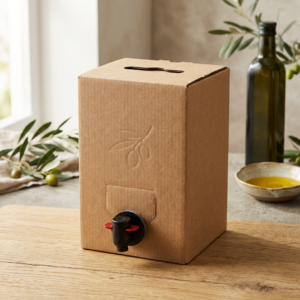
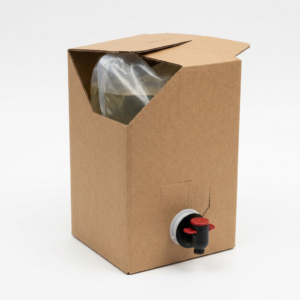
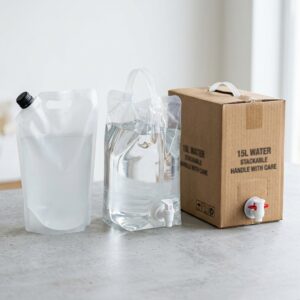
Edible oil bag-in-box packaging is a liquid packaging format that places oil inside a sealed flexible bag, or bladder, which is supported and protected by an outer corrugated carton. A dispensing fitment is sealed into the bag so users can pour or dispense the product without opening the entire package. For foodservice, retail refill, ingredient supply and institutional kitchens, the system can provide a practical alternative to rigid containers when the bag, fitment and filling process are selected for the specific oil.
In this context, a barrier is a material property that slows the movement of oxygen, moisture, aroma or light-related exposure into or out of the pack. A fitment is the functional plastic component welded or sealed to the bag, such as a gland, cap, tap or dispensing valve. The protective carton carries stacking and handling loads, while the inner bag maintains product containment.
Edible oils differ in fatty-acid composition, refining level, flavor sensitivity and intended storage period. Therefore, there is no single film structure or dispensing closure that is suitable for every sunflower oil, olive oil, soybean oil, rapeseed oil, blended cooking oil or specialty oil application. Final package selection should be confirmed with the packaging supplier, the oil producer and the actual filling process.
For a broader explanation of the format and its components, see this complete guide to bag-in-box packaging.
Why Material Selection Matters for Edible Oils
Oil packaging must do more than hold liquid. It should help preserve the intended sensory profile through distribution and use, remain compatible with the product, seal reliably around the fitment, and withstand the mechanical demands of filling, cartoning, palletization and dispensing. The package must also align with food-contact requirements applicable to the destination market.
Oxidation is a primary technical concern. When oil is exposed to oxygen over time, flavor and odor can change and quality may decline. Light can accelerate degradation in certain products, particularly where storage or display conditions are difficult to control. Heat exposure, residual headspace oxygen, long storage periods and repeated dispensing can add to this risk. A bag-in-box design addresses only part of the system: oil formulation, processing, filling hygiene, headspace management and warehousing remain equally important.
Material choice is also linked to operational performance. A film that is appropriate for a low-stress, ambient-filled product may not be appropriate for a product filled at elevated temperature or for a high-output line with demanding fitment engagement requirements. Likewise, a closure selected for neat hand pouring may not be the right choice for controlled kitchen dosing or connection to a dispensing device.
Buyers should provide product and process information early rather than choosing only by bag capacity. Key inputs include oil type, additives if any, target shelf-life validation method, fill temperature, expected storage environment, carton configuration, dispensing behavior and destination-market food-contact documentation requirements.
Selecting the Flexible Bag Film Structure

A flexible bag is usually made from a multilayer laminate or coextruded film rather than one material alone. Each layer has a role. The product-contact and sealant layer is the layer facing the oil and is responsible for heat sealing and compatibility. Structural layers contribute puncture resistance, flex-crack resistance and handling strength. Where needed, a barrier layer helps reduce oxygen transfer.
Polyethylene-based sealant layers are commonly considered in liquid flexible packaging because they can be engineered for sealing and flexibility. Polyamide-containing structures may be evaluated where additional toughness is needed. Metallized or foil-containing laminates can be considered when light protection and higher barrier are priorities, although their suitability depends on the full converting structure, handling requirements and end-of-life goals. Barrier polymers may also be evaluated where oxygen control is required without using foil. These are material-family examples, not universal specifications.
The most appropriate structure depends on the oil and the use case. Refined commodity cooking oils supplied for relatively rapid foodservice consumption may prioritize robust handling and efficient dispensing. Premium oils with more sensitive flavor expectations, longer planned storage or challenging light exposure may justify a more protective barrier strategy. Oils containing particulates, flavor ingredients or other added components require their own compatibility review.
Ask the supplier to assess the complete laminate, including the seal area around the fitment. A high-barrier web does not by itself guarantee a finished package outcome: seal integrity, fitment welding, bag geometry, carton protection and line conditions all influence performance.
Managing Oxygen, Light and Oxidation Risks
Barrier selection should begin with the product’s actual sensitivity and distribution route. Oxygen barrier refers to the ability of a material structure to resist oxygen permeation. Light barrier refers to the ability of the pack to limit light transmission. Neither term means that a package can stop all product change under all circumstances.
For edible oil bag-in-box packaging, consider the oil’s exposure before filling, during filling, in warehouse storage, on the customer’s premises and after the fitment is opened. A package may perform well in a cool, enclosed warehouse but face more demanding conditions in a brightly lit retail environment or a warm commercial kitchen. The outer carton can reduce direct light exposure, but carton design, handling practices and storage time should be reviewed as part of the protection strategy.
After opening, dispensing design becomes especially relevant. A system that allows the bag to collapse as oil is withdrawn can reduce the amount of air drawn into the pack compared with repeatedly opening a rigid container. However, the practical result still depends on the fitment design, how the user handles the closure and the duration of use after opening.
Suppliers and fillers should validate the chosen format under representative product, filling and storage conditions. Where a buyer has a specific shelf-life objective, the appropriate validation plan should be agreed with the oil producer and relevant technical teams rather than inferred from film type alone.
Fitments and Dispensing Options for Cooking Oil

The fitment is the interface between the bag, the filling line and the end user. For oils, selection should be based on how the product will be filled, opened, poured, resealed and consumed. The term gland often refers to the fitment base welded into the bag. A cap closes the fitment before use. A tap or valve provides more controlled dispensing after opening.
A screw-cap fitment can suit applications where the user needs a familiar opening and pouring method. It may be appropriate for smaller formats or products intended for intermittent manual use. A tap-style fitment can support more controlled dispensing for foodservice and kitchen environments, particularly where frequent use is expected. Connection-oriented fitments may be considered when the bag is designed to work with a dedicated dispenser, but compatibility with the dispensing equipment must be verified in advance.
Flow behavior should guide outlet selection. Low-viscosity oils may pour quickly and require user control to avoid splashing. More viscous oils, colder storage conditions or oils containing allowable suspended ingredients may require evaluation of outlet size and flow path. The fitment must also be compatible with the chosen bag film and sealing method.
For each candidate, assess cap retention, tamper-evident requirements if applicable, opening force, drip control, resealing behavior, user ergonomics and compatibility with the filling head. Conduct line trials and filled-pack handling trials before releasing a final specification. The same disciplined fitment approach is useful across liquid categories; this guide to compatibility and dispensing in bag-in-box systems offers additional process questions buyers can adapt for oil applications.
Filling, Sealing and Process Considerations
Bag-in-box packaging should be developed around the intended filling process, not added after filling equipment is selected. Important variables include filling temperature, line speed, product viscosity, fill accuracy requirements, fitment presentation, headspace control, sanitation method and the method used to insert the filled bag into the carton.
Ambient filling, warm filling, hot filling and aseptic filling are distinct process approaches. Aseptic filling is a process in which commercially sterile product is filled into a package that has been suitably treated and maintained for aseptic operation. Hot filling uses product temperature as part of the preservation process, but it has different process and package demands. Not every edible oil requires either approach, and product safety plans should be set by the producer based on the product and applicable regulations.
Where elevated temperatures are involved, confirm that the selected film, fitment, cap and seal design are suitable for the actual fill conditions. Temperature exposure can affect seal behavior and dimensional stability. For products filled at ambient conditions, mechanical handling and contamination control remain important. In all cases, sealing conditions should be validated with actual production equipment rather than relying on a generic material description.
Buyers comparing process routes can review aseptic versus hot-fill bag-in-box considerations. The final process selection for edible oil should be confirmed by the product manufacturer, co-packer and packaging supplier.
Outer Cartons, Handling and Logistics

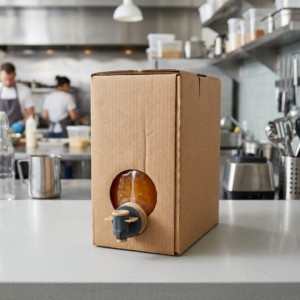
The outer carton is a functional component, not simply a printed cover. It supports the filled bag, protects it from abrasion and compression during transport, helps block direct light and creates a stable presentation for dispensing. Carton dimensions should match the filled bag profile and fitment position so that the bag is supported without excessive empty space or damaging pinch points.
Specify the carton around the actual supply chain. Review pallet pattern, stacking method, warehouse humidity, expected transit conditions, point-of-use handling and whether packs will be stacked after opening. The carton outlet or perforated dispensing panel must align accurately with the fitment and allow the user to access it without damaging the bag.
Printing requirements should be discussed early. Brand graphics, traceability fields, handling instructions, product information and destination-market labeling can affect carton artwork and approval workflows. For export programs, buyers should also consider language versions, import labeling obligations and whether country-specific artwork is needed.
Filled-pack transit testing and handling assessment are prudent before full-scale rollout, especially when bag capacity, carton dimensions, pallet format or distribution routes change. The objective is to confirm the complete bag, fitment and carton system under relevant conditions, not to judge one component in isolation.
Edible Oil Bag-in-Box Procurement Checklist
A clear technical brief reduces avoidable revisions during supplier evaluation. Before requesting quotations or samples, prepare the following information:
- Oil type, product description and any formulation features relevant to packaging compatibility.
- Required bag capacity and intended carton dimensions or pallet format.
- Filling method, fill temperature, line configuration and fitment-filling requirements.
- Expected storage, transport and use environment, including temperature and light exposure.
- Preferred dispensing method: pour spout, cap, tap, valve or connection to equipment.
- Barrier expectations and the product owner’s shelf-life validation requirements.
- Food-contact compliance documentation needed for the destination market.
- Carton printing, labeling, traceability and artwork requirements.
- Sampling, line-trial and quality-approval stages before commercial release.
Technical sampling should focus on a representative finished format, not only on unconverted film samples. Request a review of bag dimensions, fitment position, seal configuration and carton interaction. Involve production, quality, procurement and logistics stakeholders early, because each function can identify a different failure mode.
For a broader supplier-evaluation framework, use this bag-in-box packaging procurement checklist for brands and contract packers. It is particularly useful when coordinating a packaging supplier with a third-party filling operation.
Conclusion
Edible oil bag-in-box packaging is most effective when the bag film, barrier strategy, dispensing fitment, carton and filling process are designed as one system. Start with the characteristics of the oil and its real distribution conditions, then select a film structure and fitment that support containment, dispensing and the required protection strategy. Avoid treating high-barrier film, a tap or a carton as a stand-alone solution.
For a new pack format or a change in oil, capacity, filling conditions or route to market, confirm final material selection with the packaging supplier and the filling process through appropriate compatibility, seal and filled-pack validation.