Table of Contents
- What Is Bag-in-Box Packaging for Cleaning Chemicals?
- Start With the Cleaning Chemical Profile
- Select Films for Compatibility and Barrier Needs
- Choose the Fitment and Dispensing Format
- Confirm the Filling Process
- Specify the Outer Carton and Storage Conditions
- Recommendations by Cleaning Chemical Application
- Procurement and Validation Checklist
- Conclusion
A practical B2B buyer guide to selecting bag-in-box packaging for cleaning chemicals, including material compatibility, dispensing fitments, filling conditions, storage and procurement controls.
What Is Bag-in-Box Packaging for Cleaning Chemicals?

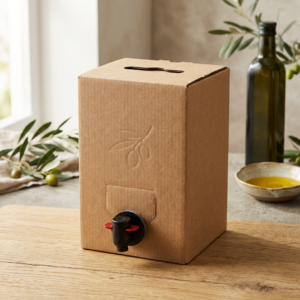
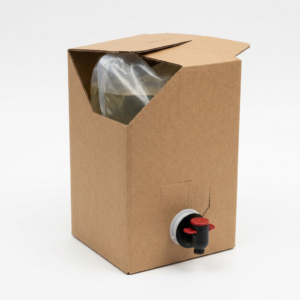
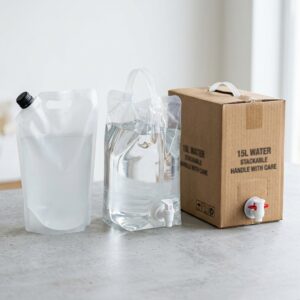
Bag-in-box packaging for cleaning chemicals is a liquid packaging system that places a flexible inner bag inside a protective corrugated carton. The bag holds the product, while a fitment is the molded component that provides filling, closing, connection or dispensing. For cleaning-chemical buyers, the key question is not simply whether a bag-in-box format is available; it is whether the complete bag, seal, fitment, carton and filling process are suitable for the specific formulation.
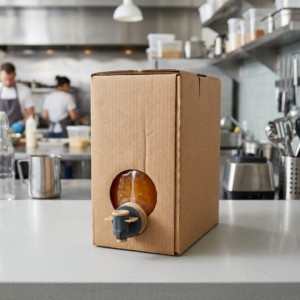
This format can support products such as liquid detergents, dishwashing liquids, hand soaps, disinfectant concentrates, floor-care liquids, vehicle-care chemicals and institutional cleaning products. It is often considered where a brand or contract packer needs a larger pack for refill, back-of-house use, dilution, or controlled dispensing. The carton supports handling and stacking, while the flexible bag collapses as product is dispensed, which can help keep the dispensing system orderly.
A bag-in-box should be specified as a system. Chemical contact layers, barrier layers, seal layers, fitment resin, torque or closure arrangement, bag geometry, carton strength, and the filling and dispensing equipment all affect the final result. Buyers new to the format can begin with this overview of how bag-in-box packaging works before converting an existing cleaner into a new pack format.
Start With the Cleaning Chemical Profile

Obtain a current technical data sheet and safety data sheet before selecting a packaging structure. These documents help identify ingredients and handling conditions that may affect the package. Useful information includes pH, surfactant type, solvent content, oxidizing agents, fragrance oils, dyes, salt level, viscosity, density and intended storage temperature.
Chemical compatibility means the ability of the packaging materials to remain functional when in contact with the product throughout the expected life cycle. A bag that appears acceptable with water or a mild detergent may behave differently with a high-pH degreaser, an alcohol-containing cleaner, a peroxide-based formulation, concentrated fragrance, or a product containing essential oils. Potential concerns include film swelling, softening, stress cracking, delamination, changes in seal performance, discoloration, odor transfer and leakage at the fitment interface.
Product concentration also matters. A ready-to-use surface cleaner and a concentrated institutional cleaner may have similar names but different chemical loads. Ask whether users will receive the product as a concentrate, whether they will connect it to a dilution system, and whether it may be exposed to product residue around the spout during use. The packaging supplier needs the actual formulation information or an appropriate compatibility-testing pathway, subject to confidentiality arrangements where needed.
For household and institutional applications, review the more detailed household-cleaner compatibility and dispensing guidance alongside the product data. It can help align the chemical profile with the intended dispensing method.
Select Films for Compatibility and Barrier Needs

A multilayer bag uses more than one polymer layer to perform different functions. A contact layer is the layer directly touching the cleaner. A seal layer is designed to form the closed seams of the bag. A barrier layer reduces transmission of gases, moisture or aroma compounds, depending on the structure. Adhesive or tie layers may join materials that would not otherwise bond effectively.
Material selection should begin with chemical resistance and seal integrity, then address barrier needs. For many water-based cleaners, the primary task may be selecting a compatible contact and seal layer with a fitment that withstands product exposure. Products containing volatile solvents or strong fragrances can require closer evaluation of aroma retention, vapor transmission and interactions with seals or closures. Products sensitive to oxidation, moisture gain or moisture loss may need a structure selected for the relevant barrier requirement.
Do not select a material only by a familiar resin name. Film thickness, layer sequence, lamination method, seal-window settings, bag construction and storage conditions can influence performance. Similarly, a film structure proven for a beverage should not be assumed suitable for a cleaning formulation. Filling temperature, residual oxygen expectations, product viscosity and use conditions are different variables.
Ask suppliers to document the proposed material structure at an appropriate commercial level, identify the intended product-contact layer, and explain what sample or production validation is required. Final material selection should be confirmed with the packaging supplier and the actual filling process using the finished chemical formulation.
Choose the Fitment and Dispensing Format

The fitment must match both the filling operation and the customer’s use case. Common objectives include controlled manual pouring, connection to a dispenser, refill transfer, or use with a valve or tap. A valve is a component that opens and closes product flow. Its suitability depends on the product’s viscosity, particulate content if any, required flow rate, expected user handling and whether the pack is used upright, in a rack, or through a dispensing machine.
For low-viscosity cleaners, a controlled-pour spout or dispensing valve may be evaluated to reduce splashing. For viscous detergents, verify that the opening size and flow path support the intended rate without excessive effort or residual product. For closed-loop or institutional dispensing, fitment dimensions and connection details must match the equipment interface. Avoid approving a generic fitment without checking the mating component used by the customer or contract packer.
Fitment location affects practical use. A corner position may support pouring from a carton, while other configurations can suit automated equipment or specific carton layouts. Consider cap retention, tamper-evidence needs where applicable, reclosure, cleaning of the dispensing area, product drip behavior and the risk of cross-threading or incorrect connection. Fitment compatibility needs the same disciplined review as the bag film, because a compatible bag can still fail at a closure or interface that is unsuitable for the formula.
Confirm the Filling Process
Package design and filling conditions must be evaluated together. Provide the supplier with the planned fill temperature, filling speed, filling head arrangement, target fill volume, headspace approach, cleaning method for the equipment, and whether the line uses manual, semi-automatic or automatic handling. Temperature can affect film stiffness, seal behavior and the condition of the product at filling. Viscosity can affect fill accuracy and the amount of product retained in the spout or filling area.
Seal validation is particularly important after line setup. A production-ready evaluation should consider sealing consistency, fitment attachment, leakage under handling, carton insertion, product discharge and the way the filled package is closed and packed. Do not rely only on an empty-bag assessment. Filled-product trials are needed because density, viscosity and chemical contact can alter the load on seams and the fitment.
Some cleaning chemicals are filled at ambient conditions, while others have temperature or sanitation requirements determined by the formula and process. The packaging format does not define the required filling method by itself. Where a buyer is comparing process approaches, the distinction explained in aseptic versus hot-fill bag-in-box packaging can clarify why package selection must follow the actual product and production method. It should not be treated as a universal recommendation for cleaners.
Specify the Outer Carton and Storage Conditions
The outer carton protects the flexible bag during transport, warehousing and dispensing. It also carries brand information, handling instructions, batch coding areas and regulatory labeling supplied by the buyer. Carton design should account for the filled bag dimensions, product weight, stacking pattern, pallet configuration, distribution route and the way the pack will be opened or installed by the end user.
Storage conditions can be significant for cleaning chemicals and paperboard. High humidity may reduce carton stiffness. Repeated temperature changes can affect product viscosity, pressure inside the bag, adhesives and the practical behavior of dispensing components. If the product may be exposed to low or high temperatures during transport, describe the anticipated range to the supplier and include it in the validation plan. Chemical degradation, phase separation or freezing risk are product considerations that packaging alone cannot resolve.
For multi-market distribution, confirm label content, hazard communication requirements, language, barcode placement and any market-specific transport or waste obligations with the responsible regulatory team. A packaging manufacturer can provide technical packaging input, but the brand owner or importer remains responsible for ensuring that the finished product and labels meet applicable market requirements.
Recommendations by Cleaning Chemical Application

Application-specific selection prevents a broad “cleaning chemical” description from concealing material risks. The following starting points should be reviewed against the finished formulation rather than used as final specifications.
Household and commercial detergents
For liquid laundry detergent, dishwashing liquid and general cleaners, assess viscosity, surfactants, fragrance and dispensing behavior. A practical target is a bag and fitment combination that permits predictable pouring or dispenser connection and retains seal integrity through storage and use. Confirm whether the product is frequently handled by consumers, janitorial teams or trained staff, as this changes carton-opening and dispensing expectations.
Alkaline degreasers and floor-care products
Higher-pH products require careful film, seal and fitment compatibility review. Specify the concentration, storage period and anticipated temperature exposure. Consider whether the product is decanted, attached to a dilution system or poured manually, since these use modes create different leakage and handling risks.
Disinfectants and sanitizing concentrates
Identify the active chemistry, fragrance, solvent level and sensitivity to light or oxygen where relevant. Do not assume that a package appropriate for a detergent will suit an oxidizing or alcohol-containing disinfectant. Review the complete system, including the closure and any dispenser tubing or connector, with the chemical supplier and packer.
Automotive and industrial cleaners
Solvent-containing, high-performance or specialty maintenance products may have more demanding compatibility requirements. Provide full technical information early, request a defined validation plan, and avoid material approval based solely on appearance or short initial contact. The intended destination market may also require additional product-label and transport review.
Procurement and Validation Checklist
A clear request for quotation reduces avoidable rework. Describe the product name and full formulation information available for compatibility review, liquid type, capacity, density, viscosity, pH where available, desired bag format, fitment or valve requirement, carton configuration, printing artwork, planned filling conditions, annual or order quantity, destination market and target launch timing. State whether the pack will be poured, connected to a dispensing unit, used as a refill or installed in an existing machine.
Before commercial approval, agree on the validation scope. It may include filled-pack storage, seal and fitment checks, transport simulation as appropriate, dispensing trials, carton performance, print review and line trials. The protocol should define the actual formula, sample condition, time points, acceptance criteria and responsible parties. This avoids interpreting a generic sample as proof of compatibility with the finished product.
Supplier capability also matters. HUACANG Packaging Manufacturing Co., Ltd. is a Guangzhou, China-based flexible packaging manufacturer established in 1998, with a 15,000 square meter facility using 9-color printing and laminating lines. Buyers should still align artwork, color expectations, bag construction, fitment details and quality checks to their own project requirements. Use a structured bag-in-box procurement checklist for brands and contract packers to organize information before sampling and purchase approval.
Conclusion
Bag-in-box packaging can be a practical format for cleaning chemicals when the package is selected around the actual formulation, filling line, dispensing method and distribution conditions. Start with chemical compatibility, then define the film structure, seals, fitment, carton and validation plan as connected decisions. The final material selection should always be confirmed with the packaging supplier and the filling process using the finished chemical product.