Table of Contents
- Bag-in-Box vs Bottles: The Direct Comparison
- Which Packaging Format Fits the Product?
- Material and Barrier Considerations
- Filling and Processing Requirements
- Storage, Distribution and Dispensing
- Procurement Factors for B2B Buyers
- A Practical Selection Framework
- Conclusion
Bag-in-box and bottles serve different liquid packaging requirements. This buyer guide compares their materials, barrier needs, filling processes, storage, dispensing and procurement considerations.
Bag-in-Box vs Bottles: The Direct Comparison
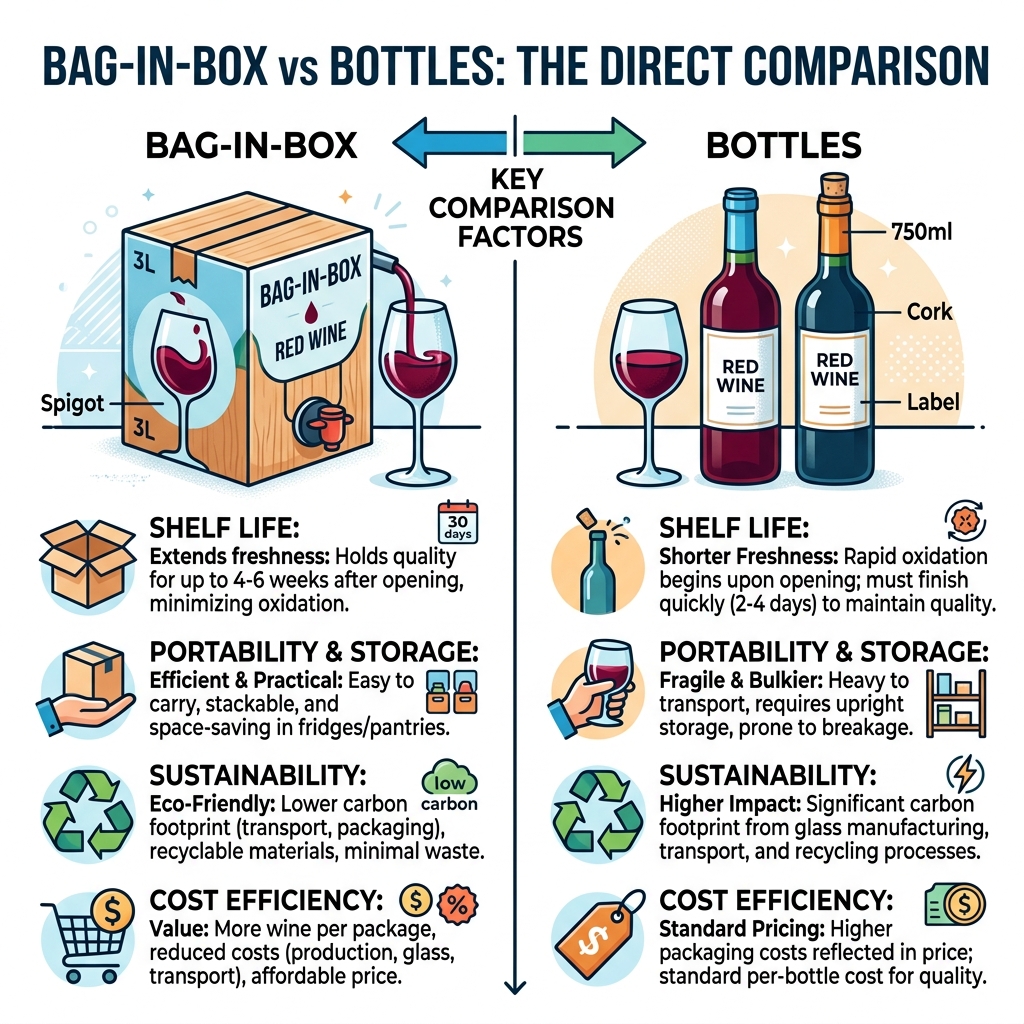
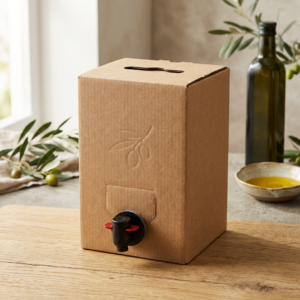
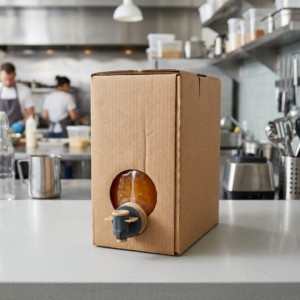
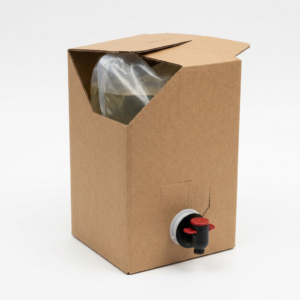
Bag-in-box vs bottles for liquid products is a format decision based on the product, filling line, distribution model and end-user dispensing requirements. Bag-in-box combines a flexible inner bag, a dispensing fitment and a protective outer carton. A bottle is a rigid container, usually supplied with a closure, and may be made from plastic, glass or another rigid material.
Bag-in-box can be a strong option when a liquid needs an efficient outer shipping format, controlled dispensing or a larger commercial pack size. Bottles may be more suitable when consumers expect individual units, visual product presentation, frequent handling or compatibility with an existing bottle filling line.
Neither format is automatically better. The correct choice depends on whether the priority is product protection, package rigidity, dispensing behavior, shelf presentation, filling compatibility, transport handling or the requirements of the destination market.
For a basic explanation of the system, see what bag-in-box packaging is and how its bag, fitment and carton work together.
Which Packaging Format Fits the Product?
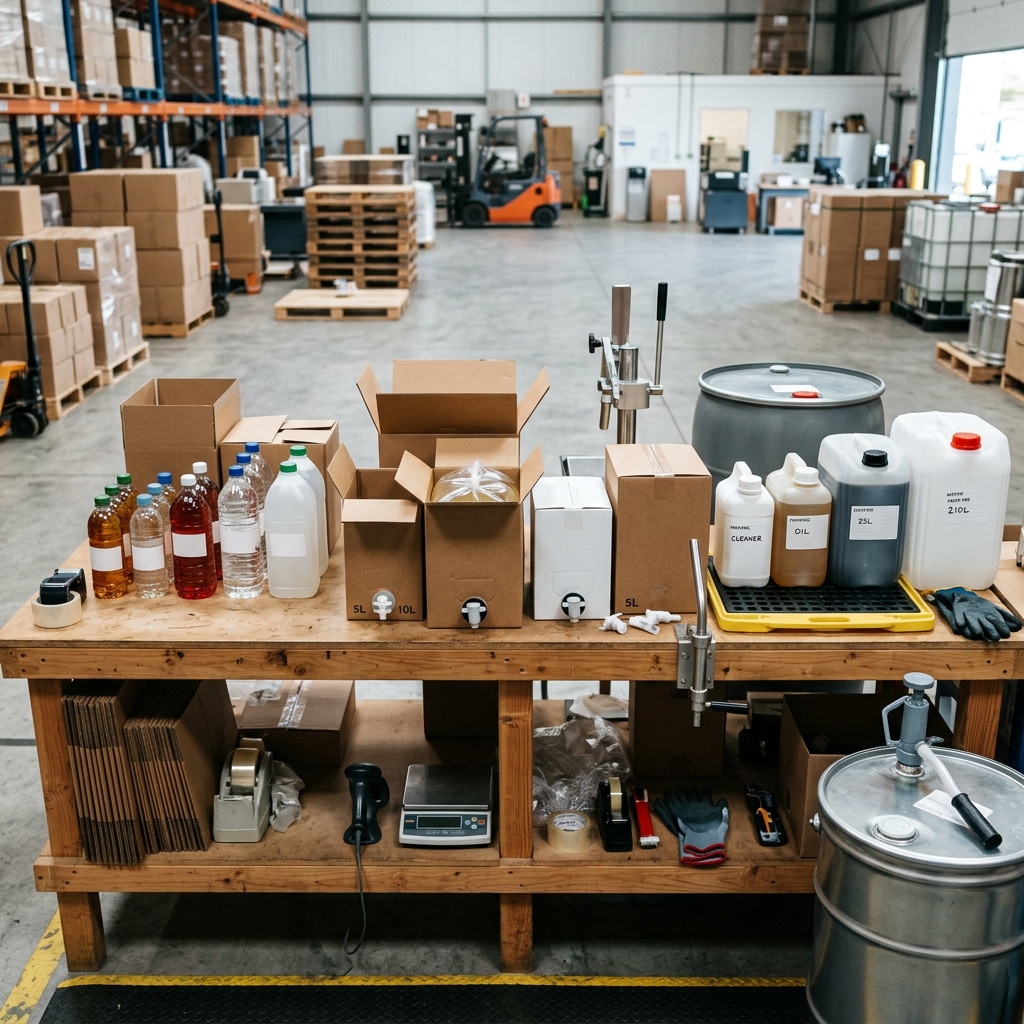
Start with the liquid and its route to market rather than choosing a package by appearance. Product viscosity, sensitivity to oxygen or light, acidity, alcohol content, oil content, cleaning chemistry and intended shelf life can all affect the package specification.
When bag-in-box may be appropriate
- Bulk beverages, concentrates, wine, water and other liquids that are dispensed over time.
- Foodservice, hospitality, institutional or commercial applications where a larger pack can reduce handling during use.
- Liquids that benefit from a flexible inner package combined with a carton for protection and stacking.
- Products that require a selected tap, valve, spout or other fitment for controlled dispensing.
- Applications where the brand wants a printable outer carton and a separate inner bag designed around product-contact requirements.
When bottles may be appropriate
- Retail products sold as single-use or individual consumer units.
- Products that need a rigid container for repeated handling, pouring or visual shelf presentation.
- Existing operations that are already configured for bottle filling, capping, labeling and case packing.
- Liquids for which the closure, bottle neck, grip or bottle geometry is central to the user experience.
Some products can use either format. In that case, compare the complete system: primary container, closure or fitment, secondary packaging, filling equipment, pallet configuration and dispensing method.
Material and Barrier Considerations
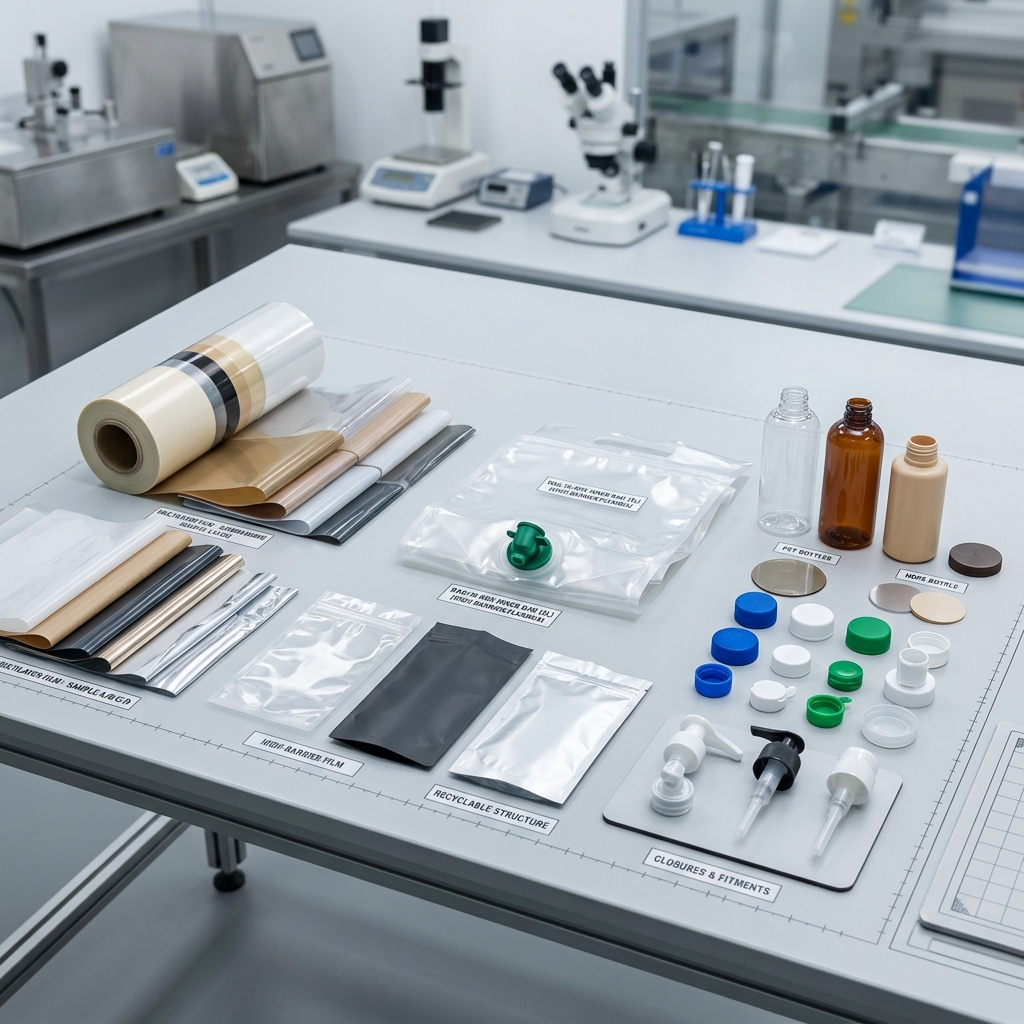
A barrier is a package layer or structure that limits the movement of oxygen, moisture, light, aroma or other substances through the package. Barrier requirements should be determined by the liquid and the expected storage conditions, not selected as a generic upgrade.
Bag-in-box bags are commonly made from multilayer flexible films. Different layers can provide sealing, strength, product compatibility and protection against the environment. The outer carton adds mechanical support, while the bag is designed for contact with the liquid. The selected film structure may differ for water-based beverages, acidic products, alcoholic drinks, concentrates, dairy-related products, edible oils or household chemicals.
Bottles also require a material decision. Plastic bottles may offer low weight and practical handling, while glass can provide rigidity and a different presentation profile. However, the bottle material, closure, liner, label and secondary pack should be evaluated as one package system. A bottle may protect the product well but still have a closure or label that is unsuitable for the intended conditions.
Ask the packaging supplier to review:
- Product composition, pH, alcohol or oil content and any aggressive ingredients.
- Oxygen, moisture, light and aroma sensitivity.
- Required shelf life and expected temperature range.
- Seal strength, puncture resistance and drop or handling exposure.
- Whether the package will be stored upright, laid down or connected to dispensing equipment.
For beverage applications, use the guidance in how to choose bag-in-box packaging materials as a starting point, then confirm the final structure through supplier review and product testing.
Filling and Processing Requirements
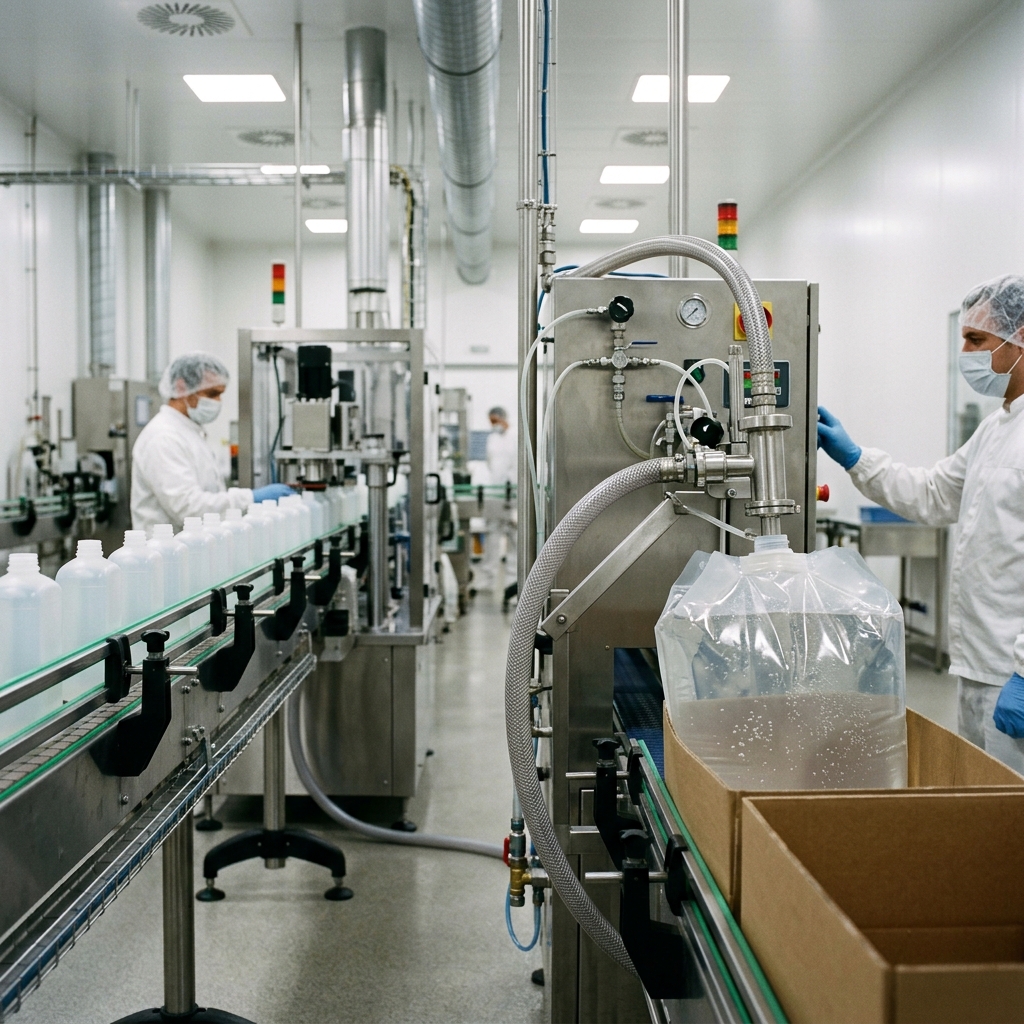
The filling process is often the deciding factor between bag-in-box and bottles. A bag-in-box package may be filled through a fitment or port using equipment designed for flexible bags. Bottles generally require a bottle filler, closure application, labeling and downstream case packing. The package must match the actual production process, including product temperature, filling speed, sanitation controls and seal or closure verification.
For shelf-stable liquid products, buyers may evaluate hot-fill, aseptic or other controlled filling approaches. Hot-fill means the product is filled at an elevated temperature selected for the product and process. Aseptic filling is a controlled process in which the product and package are treated and brought together under defined hygienic conditions. These terms describe different processing systems and should not be treated as interchangeable.
Processing questions to resolve before ordering include:
- What is the product temperature at filling?
- Does the bag or bottle need to tolerate thermal exposure or pressure?
- What filling head, port, neck or fitment geometry is required?
- How will the package be sanitized, sealed and inspected?
- What tests are required for leakage, seal integrity, closure torque or package handling?
- Will the package run on existing equipment, or is new tooling or line adjustment required?
For a process-specific review, compare aseptic and hot-fill bag-in-box systems. Final material and format selection should be confirmed with both the packaging supplier and the filling-process owner.
Storage, Distribution and Dispensing
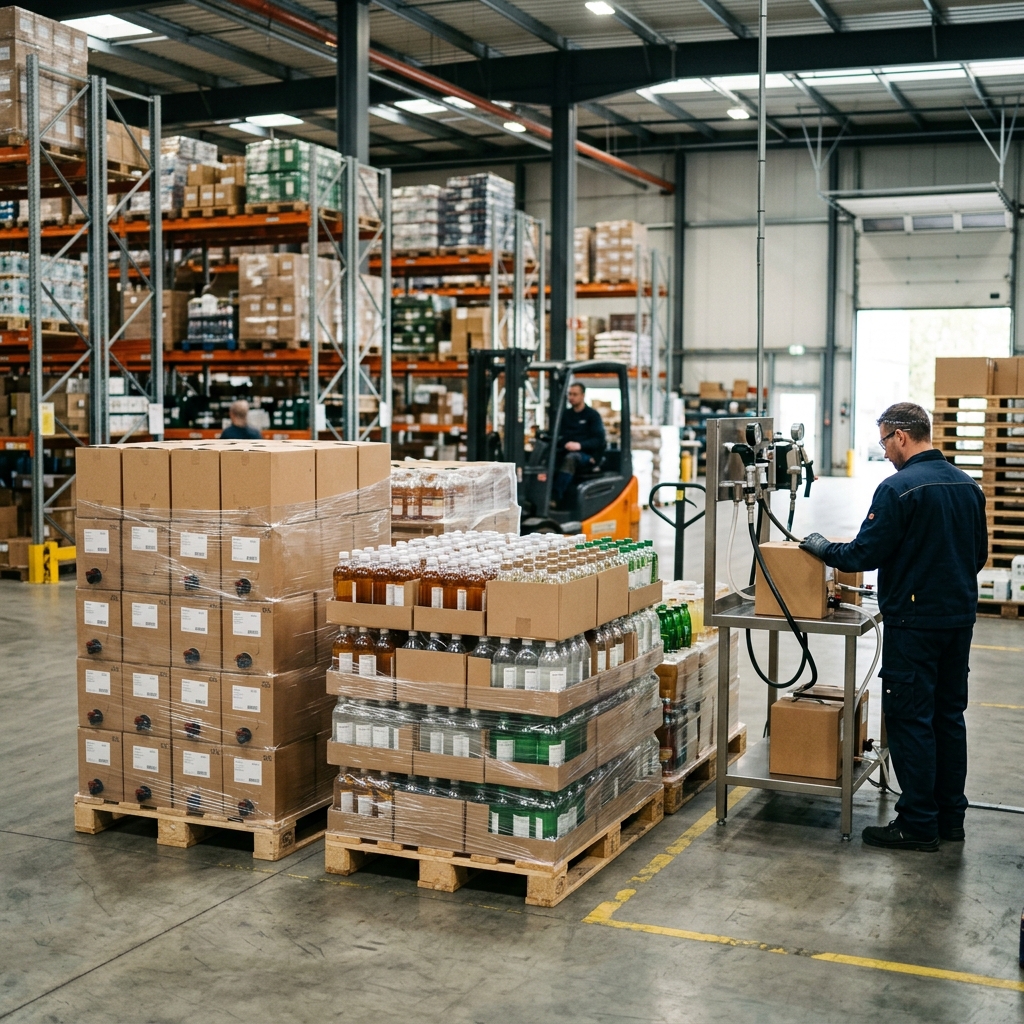
Storage and distribution can change the practical result of a packaging decision. Evaluate palletization, carton compression, warehouse temperature, transport vibration, stacking height, handling equipment and exposure to sunlight or moisture. The package should be assessed in its shipping configuration, not only as an empty container.
Bag-in-box uses a flexible bag supported by an outer carton. This can provide a compact commercial format, but the carton must remain suitable for the expected handling and stacking conditions. The bag, seals and fitment also need protection from puncture, abrasion and incorrect handling. Bottles provide inherent rigidity, but their shape, closure and secondary case design can affect breakage, deformation, leakage and pallet efficiency.
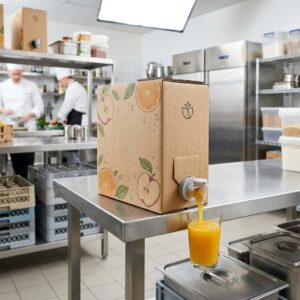
Dispensing is another major difference. A bag-in-box system can be specified with a tap, valve, spout or other fitment selected for the liquid viscosity, flow rate, equipment connection and user workflow. A bottle may be poured, squeezed, pumped or connected to a separate dispenser. The correct choice depends on whether the product is opened once, used repeatedly, portioned in a commercial setting or consumed directly.
For household cleaners and chemically active liquids, review compatibility and dispensing details in this household cleaner bag-in-box guide. Do not assume that a fitment, film or bottle closure suitable for one liquid will suit another.
Procurement Factors for B2B Buyers
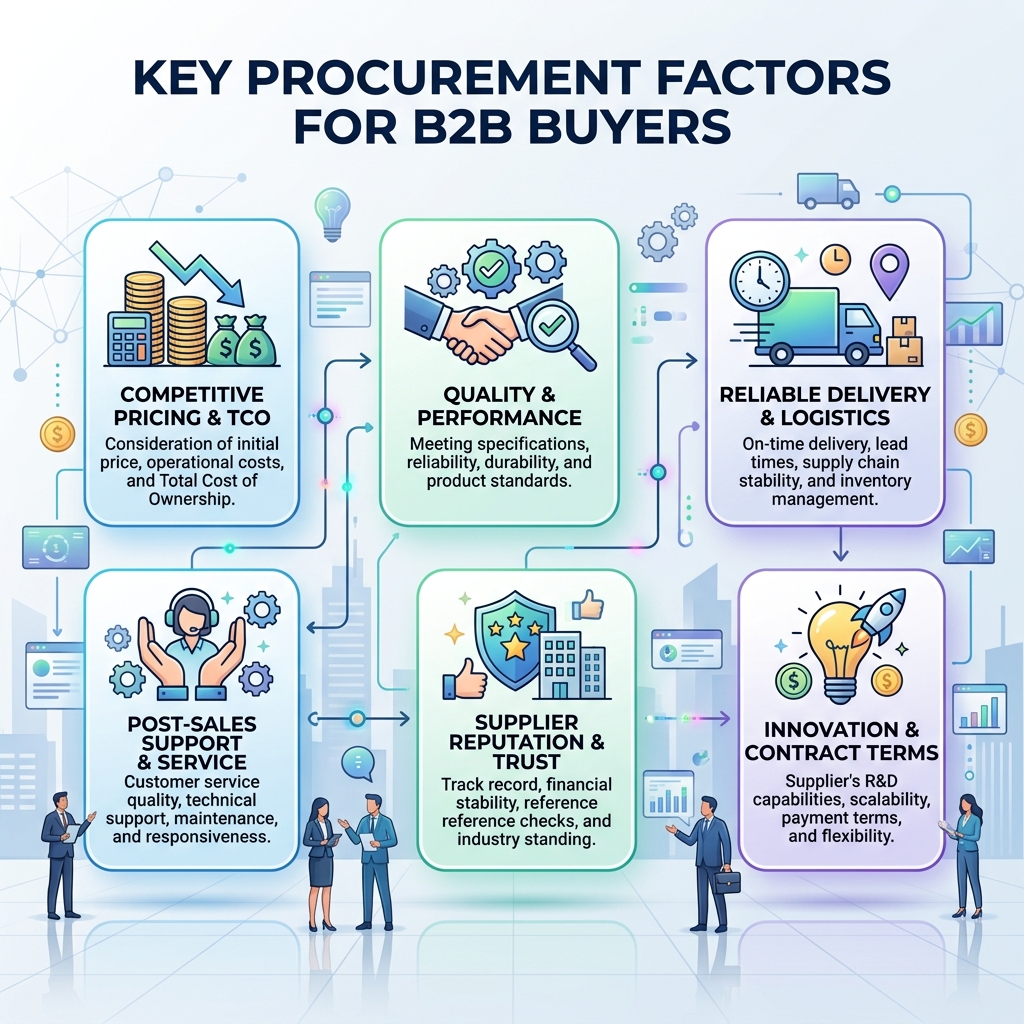
Procurement should cover the complete package specification and the operating environment. A low unit price does not by itself indicate the lower total packaging cost, because filling changes, secondary packaging, storage, damage, dispensing equipment and market requirements can affect the result.
Prepare a written brief covering:
- Liquid name, formulation, viscosity and product-contact requirements.
- Target capacity and whether the package is for retail, foodservice, industrial or institutional use.
- Bag film or bottle material, barrier objective and color or light-protection needs.
- Fitment, valve, cap, spout, neck finish or dispensing connection.
- Filling method, filling temperature, equipment interface and quality checks.
- Carton, case, pallet and export-marking requirements.
- Artwork, print colors, branding surface and any market-specific labeling needs.
- Expected order quantity, forecast, destination market and logistics constraints.
A supplier should review samples or drawings against the filling line and intended use. Buyers should also agree on what constitutes acceptable appearance, seal quality, dimensional tolerance, leakage performance and packaging cleanliness. Product compatibility testing and a controlled filling trial are especially important when changing from bottles to bag-in-box or when introducing a new liquid.
Use this bag-in-box packaging procurement checklist to organize the technical and commercial information before requesting quotations.
A Practical Selection Framework
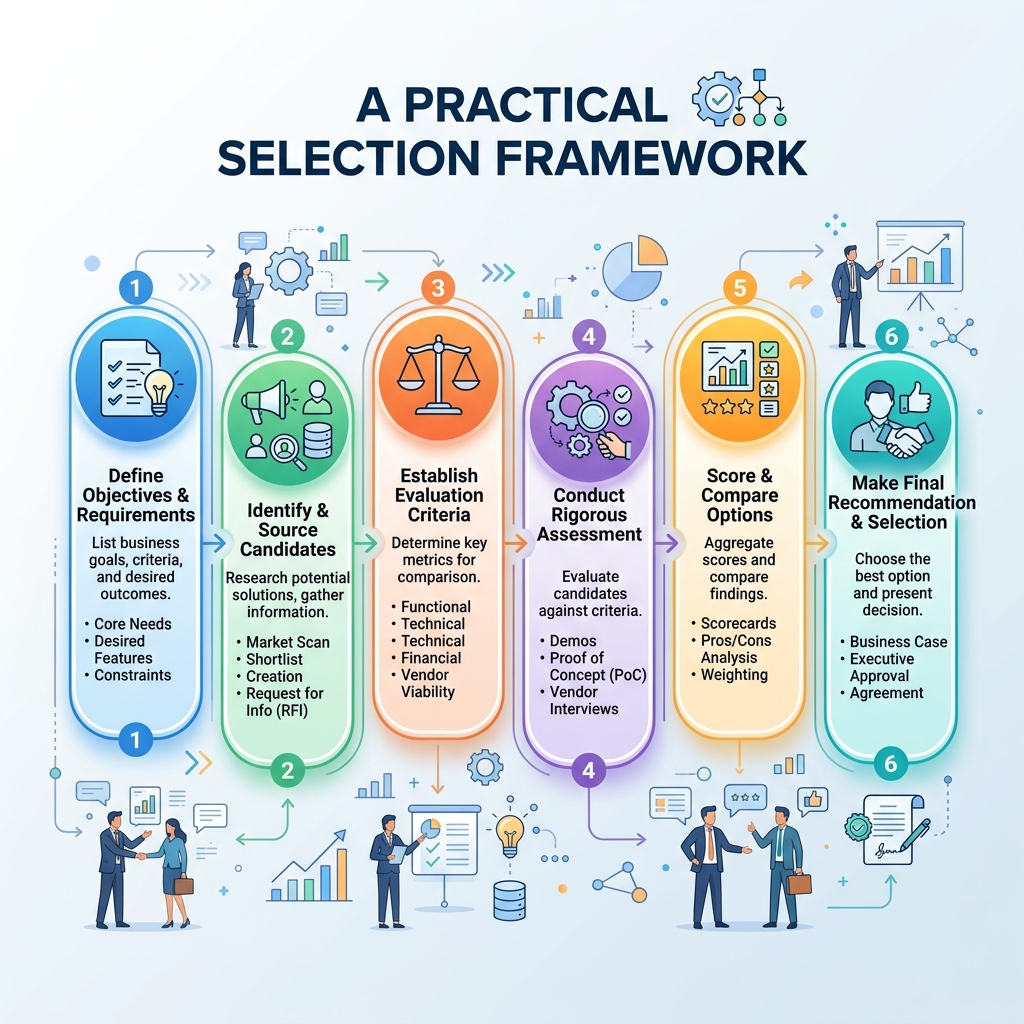
Use the following sequence to narrow the choice:
- Define the use case. Identify who opens, stores and dispenses the product, and whether the package is used once or over multiple servings.
- Characterize the liquid. Record composition, viscosity, sensitivity and any ingredients that may interact with films, bottles, closures or fitments.
- Set the process constraints. Confirm filling temperature, sanitation method, line equipment, sealing or capping requirements and quality controls.
- Review the distribution system. Examine pallet layout, case protection, warehouse conditions, transport exposure and destination-market handling.
- Choose the dispensing interface. Select the fitment or closure based on flow, connection, portioning and user ergonomics.
- Validate the complete package. Run compatibility checks, filling trials and relevant transport or handling evaluations before commercial approval.
Bag-in-box is often worth investigating when the product is dispensed from a larger pack and the buyer can support the required filling and handling system. Bottles remain a practical choice when rigid handling, individual-unit presentation or an established bottle line is more important. The decision should be documented against measurable product and process requirements rather than packaging preference alone.
Conclusion

Bag-in-box vs bottles for liquid products is not a universal winner-versus-loser decision. Bag-in-box may suit larger-volume dispensing, flexible package structures, selected fitments and commercial handling. Bottles may suit individual retail units, rigid handling, familiar closures and existing bottle operations.
The most reliable choice combines product compatibility, barrier requirements, filling conditions, storage, distribution, dispensing and procurement objectives. Confirm the final material structure, fitment or closure and filling method with the packaging supplier and the filling-process owner before placing a production order.