Table of Contents
- What coffee concentrate bag-in-box packaging is
- Start with the coffee concentrate product profile
- Choose material and barrier structure
- Match the bag to the filling process
- Specify fitments and dispensing use
- Review carton, storage and transport conditions
- Build a procurement brief for suppliers
- Make the final packaging selection
A practical B2B guide to selecting coffee concentrate bag-in-box packaging, from product compatibility and barrier requirements to filling conditions, dispensing fitments and procurement review.
What Is Coffee Concentrate Bag-in-Box Packaging?

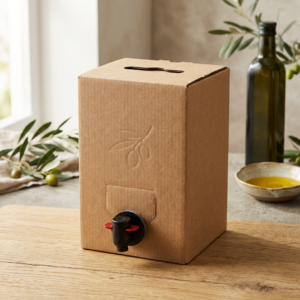
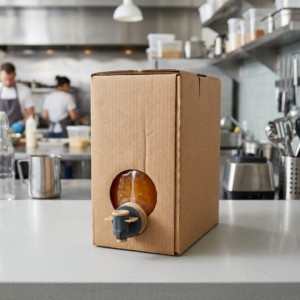
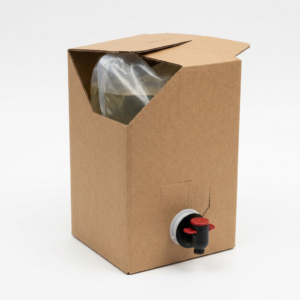
Coffee concentrate bag-in-box packaging is a liquid-packaging format that places coffee concentrate in a flexible inner bag with a dispensing fitment, then protects that bag with an outer corrugated carton. For B2B buyers, it can be a practical format for foodservice, office coffee programs, retail refills, and contract-packed concentrates when the package is matched to the product formula, filling method, storage route, and dispensing equipment.
In this guide, coffee concentrate means a prepared liquid coffee product intended to be diluted, mixed, or dispensed rather than brewed directly from whole beans or ground coffee. Barrier means the packaging structure’s resistance to gases, moisture, aroma movement, and other external influences that may affect the product over time. A fitment is the sealed plastic component used for filling, connecting, pouring, or dispensing. These elements work as a system; selecting a bag film alone is not enough.
Bag-in-box is not automatically suitable for every coffee formulation or process. The correct configuration depends on acidity, oils, dairy or plant-based additions, sweetness, preservatives where applicable, target shelf-life validation, headspace control, fill temperature, sanitation method, and the way the customer will access the liquid. Buyers should treat the package as part of the finished-product process, not as a generic commodity. For a broader explanation of the format, see how bag-in-box packaging works for liquid products.
Start With the Coffee Concentrate Product Profile

Before requesting samples or quotes, document the actual liquid that will contact the package. Coffee concentrates vary substantially: black cold-brew concentrate, espresso-style concentrate, sweetened coffee base, flavored coffee syrup base, and ready-to-dilute coffee beverages can have different compatibility and quality risks. A supplier needs usable product information to recommend a bag structure and fitment responsibly.
Key formulation questions
Identify the product’s pH, soluble solids or Brix where measured, oil content, aroma profile, sweetener system, flavor additions, and any dairy or plant-based components. Also state whether the liquid contains particulates, such as fine coffee sediment, cocoa, spices, or flavor inclusions. These details can affect film selection, valve flow, residue management, and cleaning expectations for dispensing equipment.
Oxygen exposure deserves particular attention because coffee aroma and flavor quality can be sensitive to oxidation. However, it is not appropriate to assume one barrier level or film structure will protect every coffee concentrate equally. The product’s target quality period must be established through the brand’s own validation program, using the intended formula, filled package, storage temperature, and distribution conditions.
Clarify the sales channel at the same time. A concentrate shipped to cafés for frequent high-volume use has a different dispensing pattern from a retail pack that may be opened and used intermittently. A multi-location foodservice program may also need connection compatibility with existing dispensing hardware. Define the user workflow early to avoid specifying a fitment that is practical at the filler but inconvenient at the point of use.
Choose Material and Barrier Structure for the Actual Product

A bag-in-box inner bag is commonly a multilayer flexible structure. Individual layers may contribute functions such as liquid contact, sealing, mechanical strength, print or light protection where applicable, and barrier. The exact layer combination should be selected for the concentrate and the packaging process, rather than copied from another beverage application.
For coffee concentrate, ask the supplier to address four material questions: product-contact compatibility, seal integrity under the proposed fill conditions, barrier needs related to the formula and intended quality period, and resistance to handling during packing, transport, and dispensing. The bag also has to work with the selected fitment and with the filling equipment’s sealing or connection method.
Light can be relevant where product quality, color, or label presentation could be affected by exposure. The outer carton provides physical and visual coverage in normal packed form, but its protection is reduced once the inner bag is removed or used outside the carton. Describe how the pack will be stored and used after opening rather than assuming the carton resolves every exposure condition.
Buyers should request a clear description of the proposed construction and its intended function, but should avoid treating material terminology as proof of finished-pack performance. A polymer name or a stated barrier layer does not replace compatibility assessment, transport evaluation, and shelf-life testing on the commercial product. For a beverage-focused selection framework, review guidance on choosing bag-in-box materials for beverages.
Match the Bag to the Filling Process

The filling process is a primary packaging input. Confirm whether the coffee concentrate will be filled ambient, hot-filled, or through an aseptic process. Hot fill means liquid is introduced at an elevated temperature as part of the product preservation process. Aseptic filling means a commercially sterile product is filled into a separately sanitized package within a controlled process. These are distinct systems, and the bag, fitment, sanitation approach, and operating controls must be specified accordingly.
Do not infer that a bag intended for one filling approach will be suitable for another. Fill temperature, dwell time, product viscosity, foaming tendency, fill-head connection, and post-fill cooling can all affect seals and handling. Coffee concentrates can foam during transfer, particularly where process conditions introduce air. The filler should define how it manages foaming and whether any headspace or product-contact requirements affect the package design.
For a new program, arrange trials that represent normal production rather than only hand-filled samples. The trial scope should include filling, fitment application or connection, carton insertion, closing, pallet handling, and the intended dispensing method. Retain samples under agreed storage conditions and inspect for visible leakage, seal concerns, changes in dispensing behavior, carton damage, and product-quality changes assessed by the brand’s technical team.
The distinction between shelf-stable process options is explained in this aseptic versus hot-fill bag-in-box guide. Final processing decisions remain the responsibility of the product owner and qualified process specialists.
Specify Fitments Around the Actual Dispensing Use

The fitment is the interface between the concentrate, the filler, and the end user. It should be specified by function: how the bag is filled, whether the pack is poured manually or connected to a dispenser, whether the opening needs a closure, and how the customer controls flow. A practical fitment decision also considers the direction in which the bag sits in the carton and the location of the dispensing opening.
For gravity pouring, buyers should evaluate pour control, opening access, the ability to reseal where required, and drip management in the intended use position. For dispenser-connected packs, provide the equipment interface details before confirming the fitment. Connection geometry, probe or coupler design, flow requirements, and operator handling steps should be confirmed with the equipment provider and packaging supplier.
Concentrates with higher viscosity, suspended matter, or temperature-dependent flow should be tested through the intended valve or outlet. A fitting that performs well with water may not represent actual coffee concentrate behavior. Consider the practical end-of-pack phase as well: users should be able to dispense the remaining liquid with reasonable control, without damaging the bag or creating an avoidable spill risk.
For systems where a valve or connector is part of the equipment installation, involve the dispenser manufacturer in the validation. This prevents a packaging specification from being approved independently of the hardware it must connect to.
Review Carton, Storage and Transport Conditions

The carton is not merely a shipping sleeve. It supports the filled bag during handling, protects it in the distribution chain, presents required branding and handling information, and can hold the bag in the orientation needed for dispensing. Carton dimensions and board selection should suit the filled bag capacity, pallet pattern, stacking assumptions, and route conditions supplied by the buyer.
Describe the real supply chain: domestic or export movement, container or truck handling, warehouse temperature range, humidity exposure, stacking duration, and whether cartons may be opened before final use. Coffee concentrate may be stored chilled, ambient, or under another defined condition depending on its formula and process. Packaging selection should follow the product’s validated storage instruction, not a general assumption about coffee products.
Print artwork should be reviewed as part of the operational specification. Include product identification, dilution or use information supplied by the brand, lot or date-code area, storage direction, orientation marks where needed, and any market-specific labeling required by the importer or brand owner. Artwork approval does not replace checks that the carton can be correctly coded and handled on the packing line.
For a structured review of shipment, storage, printing, and supplier inputs, use this bag-in-box procurement checklist for brands and contract packers.
Build a Procurement Brief That Suppliers Can Evaluate
A complete brief reduces avoidable revisions and makes supplier feedback more useful. Start with the commercial format: required bag capacity, annual or campaign quantity, sales market, carton configuration, printing requirement, and destination. Then add product and technical details: formula summary, pH and viscosity where available, fill method, fill temperature, target storage condition, expected distribution route, and desired dispensing method.
State which items are confirmed and which remain under development. For example, a brand may have confirmed capacity and artwork direction but still be choosing between a manual pour pack and dispenser connection. That distinction helps the supplier recommend samples and identify decisions that need testing instead of presenting assumptions as a final specification.
Ask suppliers to identify information gaps, proposed material construction, compatible fitment options, carton assumptions, sample configuration, and validation points. A responsible supplier should distinguish between a preliminary recommendation and a commercially validated package. The buyer should maintain approval records for artwork, samples, filling trials, and any change to concentrate formulation, process, fitment, or distribution conditions.
When sourcing internationally, clarify who owns freight arrangements, packaging specifications, artwork files, inspection expectations, and import-market requirements. The destination-market importer or brand owner should verify applicable regulatory and labeling obligations. Packaging selection, product compliance, and process validation are related but separate responsibilities.
Make the Final Packaging Selection After Product-Specific Validation
Coffee concentrate bag-in-box packaging should be selected as an integrated liquid-packaging system: the concentrate formula, multilayer bag, fitment, filling process, carton, storage conditions, transport route, and dispensing equipment all influence the result. The most suitable specification is therefore the one that has been evaluated against the actual commercial conditions, rather than the one that appears most similar to another beverage pack.
Begin with a concise technical brief, then review a proposed configuration with the packaging supplier, filler, and dispenser provider where relevant. Confirm final material selection with the packaging supplier and the filling process after representative trials and the product owner’s quality assessment. Reconfirm the package whenever there is a meaningful change in coffee formula, process temperature, intended storage, fitment, or market route.