Table of Contents
- What Are Bag-in-Box Valves and Fitments?
- How to Select a Valve and Fitment
- Recommendations by Liquid Product Type
- Bag Material, Barrier, and Fitment Interface
- Filling, Storage, and Validation Considerations
- Procurement Checklist
- Conclusion
A practical B2B guide to selecting bag-in-box valves and fitments for beverages, food ingredients, household liquids, and other liquid products.
What Are Bag-in-Box Valves and Fitments?

This bag-in-box valve and fitment guide explains how buyers can match the dispensing and filling interface to a liquid product, bag construction, processing method, and intended use. A valve is the component that opens, controls, and stops product flow during dispensing. A fitment is the plastic interface sealed into the flexible bag; it can receive a cap, valve, connector, or filling closure. Together, they affect filling efficiency, leakage resistance, hygiene control, consumer or operator handling, and compatibility with dispensing equipment.
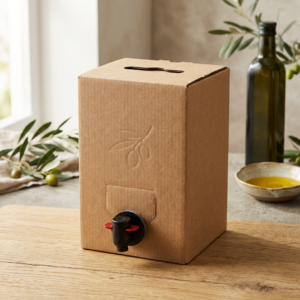
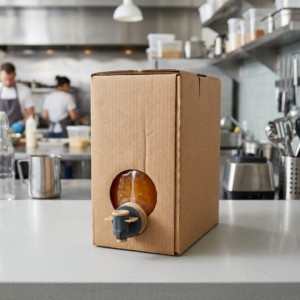
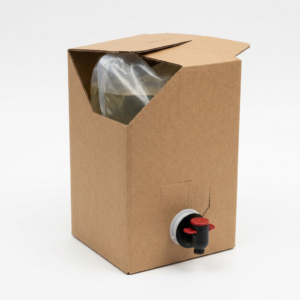
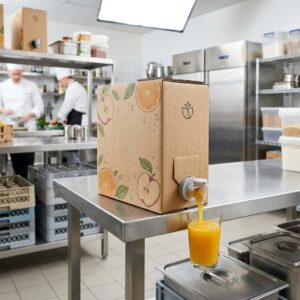
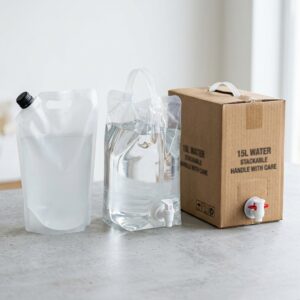
Bag-in-box, often shortened to BIB, is a liquid packaging format with a flexible inner bag, a fitment or dispensing component, and a protective outer carton. The bag holds the product, while the carton supports transport, stacking, and presentation. For a broader introduction to the format and its components, see what bag-in-box packaging is and how it works.
Valve and fitment selection should begin with the product rather than the appearance of the closure. Low-viscosity water-based liquids, pulpy beverages, edible oils, sauces, concentrates, and household cleaners can have very different flow behavior and material-compatibility requirements. Final material selection should be confirmed with the packaging supplier and the actual filling process.
How to Select a Valve and Fitment

Specify the functional requirements before selecting a fitment style. The right option is the one that works consistently with the liquid, filling line, bag volume, dispensing method, and destination-market use case.
Product flow and viscosity
Viscosity describes a liquid’s resistance to flow. Thin liquids generally dispense through smaller flow paths more easily than dense products. Thicker liquids, products with suspended particles, and products that are chilled may require a larger outlet or a dispensing design that reduces restriction. A small outlet may give controlled pouring for a thin beverage but can create slow flow, retained product, or operator frustration with sauces and concentrates.
Use environment and dispensing method
Identify who dispenses the product and how often. Retail or foodservice users may need an intuitive tap-style valve. Institutional, industrial, or closed-loop systems may need a fitment designed to connect with compatible equipment. For products portioned into another container, controlled dispensing and clean shutoff are usually more important than high flow. For rapid transfer, the connection and flow path should suit the receiving equipment.
Opening protection and tamper evidence
Some applications need a cap, pull tab, seal, or other opening feature that indicates whether the package has been opened. The appropriate solution depends on the route to market and the intended user. It should also be assessed as part of the complete package, because the outer carton opening and fitment position influence access to the valve.
Fitment size and bag geometry
The fitment’s dimensions and weld area must suit the bag film structure and the available panel area. Placement near a corner, on a face panel, or in another position changes how the bag evacuates and how it sits in the carton. A configuration that is easy to fill may not be optimal for end-user dispensing, so filling and dispensing should be reviewed together.
Recommendations by Liquid Product Type

Application-specific selection helps avoid treating all liquid products as the same. The following recommendations are starting points for supplier discussions, not universal specifications.
| Liquid application | Valve and fitment priorities | Key caveat |
|---|---|---|
| Water, juice, and ready-to-drink beverages | Clean pour, reliable shutoff, suitable flow rate, and product-protection requirements. | Acid level, oxygen sensitivity, carbonation, and processing method can change the package specification. |
| Wine and other oxygen-sensitive beverages | Dispensing arrangement that supports the required product-protection strategy and intended consumption period after opening. | Evaluate bag barrier and the complete dispensing system together. |
| Syrups, sauces, dairy bases, and concentrates | A flow path appropriate for viscosity and any particulates, plus a fitment suitable for the filling temperature. | Cold-flow behavior can differ from room-temperature behavior. |
| Edible oils | Controlled pour and practical closure handling, with film and fitment materials reviewed for product contact. | Confirm compatibility and storage conditions for the specific formulation. |
| Household cleaners | Chemical-compatible materials, secure closure, and dispensing that limits spills. | Surfactants, solvents, fragrances, and alkalinity can affect material selection. |
For beverage projects, material selection should be considered alongside the dispensing component. Review how to choose bag-in-box packaging materials for beverages when defining barrier, processing, and fitment requirements. For cleaning liquids, the product formula and chemical exposure deserve dedicated evaluation; see this household cleaner compatibility and dispensing guide.
Bag Material, Barrier, and Fitment Interface
A barrier is a packaging layer or structure that slows the movement of substances such as oxygen, water vapor, aroma compounds, or light toward or away from the product. The bag film, fitment, valve, and weld zone form one packaging system. Selecting a high-barrier film alone does not answer whether the completed pack is suitable for the product.
Bag-in-box bags are commonly made from multilayer flexible films. Layers may serve different functions, such as sealing, mechanical strength, puncture resistance, or product protection. Fitment materials and the sealing process must be compatible with the inner sealant layer so the interface can remain dependable through filling, distribution, and dispensing.
Buyers should provide the supplier with product ingredients or a practical compatibility brief, including acidity or alkalinity where relevant, alcohol content, oil content, solvent exposure, fragrance, suspended solids, temperature range, and intended shelf-life target. This information supports meaningful material and fitment evaluation. It is particularly important when the liquid is chemically active or when the pack will face elevated temperatures.
Do not assume that a valve used successfully for one product is suitable for another. A difference in formula, fill temperature, storage temperature, or dispensing frequency can alter how the package performs. Final bag structure, valve, fitment, and closure selection should be confirmed with the packaging supplier and validated with the filling process.
Filling, Storage, and Validation Considerations

The filling process is central to fitment choice. A filling fitment must work with the filler head, capping or closing sequence, sanitation method, and operating temperature. Discuss whether the product is filled under ambient, hot-fill, or aseptic conditions before settling on the component design. Aseptic filling is a process in which commercially sterile product is filled into a suitably prepared package under controlled conditions; it is not simply a valve style.
For an overview of the process distinction, read aseptic versus hot-fill bag-in-box packaging. Hot-fill packages and aseptic packages can have different requirements for film, seals, fitments, sanitation, and filler integration.
Validation should reflect the real distribution and use environment. Typical reviews may include fitment-to-bag seal integrity, leak checks, closure function, dispensing behavior, carton interaction, and compatibility after product exposure. Storage orientation matters as well. If the bag is stored or dispensed on its side, valve placement and carton cutout geometry should support access without putting avoidable stress on the fitment.
Plan the trial around the actual product at representative temperatures. Verify fill performance, closure application, cooling where applicable, pack handling, product flow, clean shutoff, and end-of-pack evacuation. This practical evaluation is more useful than approving a component solely by its appearance or a general description.
Procurement Checklist
Before requesting a quotation or sample plan, prepare a concise technical brief. It reduces unnecessary revisions and helps the packaging supplier identify important questions early.
- Product name, formulation characteristics, and intended application.
- Bag capacity and outer-carton format.
- Liquid viscosity, particles, fill temperature, and expected storage conditions.
- Filling process and available filling-equipment interface.
- Required dispensing method: pour, portion, tap, or equipment connection.
- Desired fitment location and carton opening arrangement.
- Barrier, light-protection, aroma, or chemical-compatibility considerations.
- Printing artwork, quantity, destination market, and any market-specific requirements.
A structured buying process also helps separate essential requirements from preferences. Use this bag-in-box packaging procurement checklist for brands and contract packers to organize material, filling, storage, printing, and supplier-review questions.
Conclusion
The best bag-in-box valve and fitment is not selected in isolation. It must match the liquid’s flow and chemical characteristics, the bag material and barrier requirement, filling conditions, carton design, storage environment, and dispensing method. Start with a complete product brief, then validate the proposed bag, fitment, valve, and filling configuration as a system. Final material selection should always be confirmed with the packaging supplier and the filling process.