Table of Contents
- What to Confirm Before Procuring Aseptic Bags
- Define the Aseptic Packaging System
- Build a Complete Liquid Food Profile
- Specify Material and Barrier Requirements
- Verify Filling and Sealing Compatibility
- Select Capacity, Fitment and Dispensing Features
- Review Storage and Distribution Conditions
- Set Printing and Procurement Controls
- Approve Samples Before Production
- Conclusion
A practical aseptic bag procurement checklist for food and beverage buyers. Review product properties, bag construction, filling compatibility, fitments, storage and supplier requirements before placing an order.
What to Confirm Before Procuring Aseptic Bags
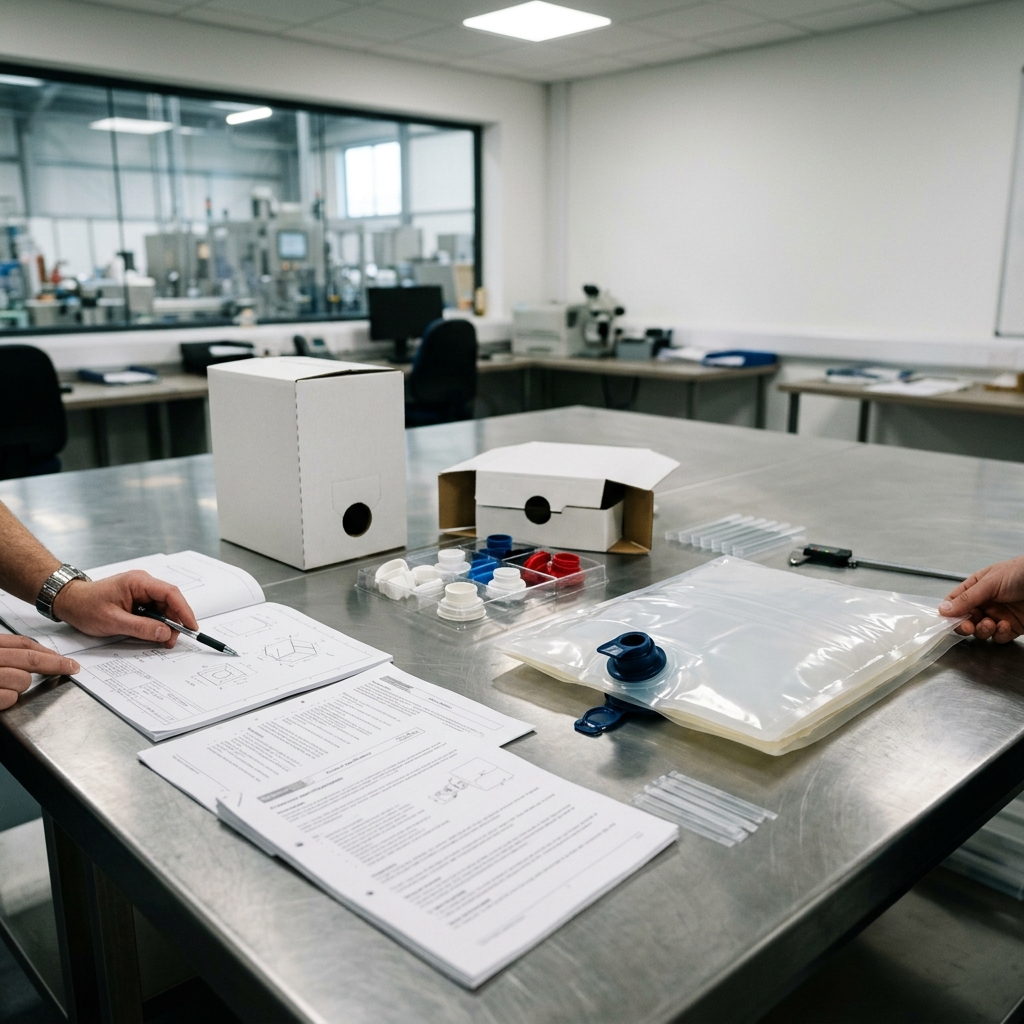
An aseptic bag procurement checklist helps liquid food buyers confirm that the bag, fitment, filling process and intended distribution conditions work as one packaging system. For juices, dairy ingredients, purees, sauces and liquid concentrates, procurement should begin with the actual product and process rather than a preferred film description or a visual bag format.
Aseptic packaging is a system in which a commercially processed product is filled into a package that has been prepared for aseptic use, then sealed to protect the product during its intended shelf-life conditions. It is not simply a flexible bag made from high-barrier film. The final bag specification must be confirmed with the packaging supplier and the filling-process owner.
Before requesting quotations, prepare a written brief covering liquid type, formulation, capacity, filling equipment, storage route, dispensing requirement, artwork and destination market. This avoids comparing technically different quotations under the same description. Buyers evaluating the wider format can also review how bag-in-box packaging works.
Define the Aseptic Packaging System
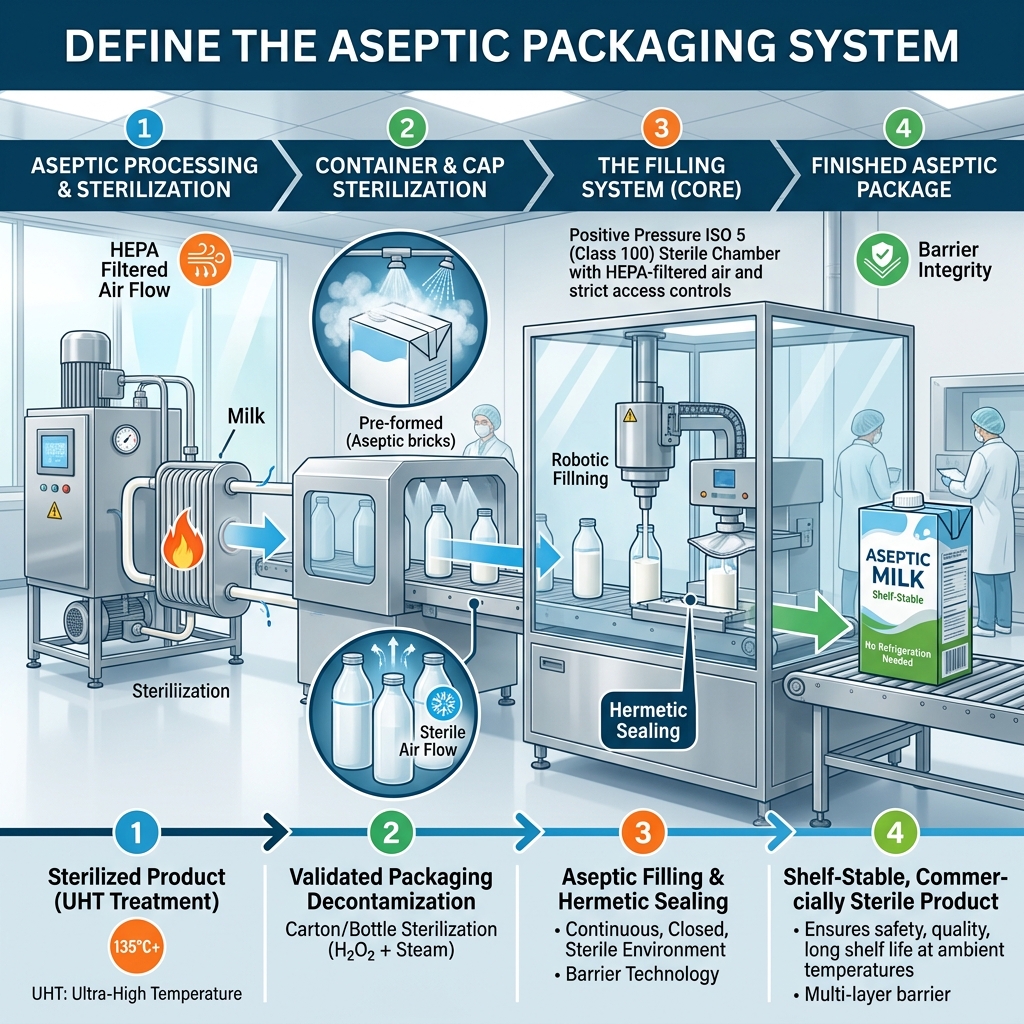
Use the word aseptic precisely in the request for quotation. It should describe the intended combination of product treatment, package preparation, hygienic filling environment and closure integrity. A supplier can provide bag materials and fittings designed for an aseptic application, but the completed pack outcome also depends on equipment capability, operating controls and validation performed by the filler.
Record whether the product will be filled aseptically, hot-filled, refrigerated or distributed frozen. These approaches impose different demands on the package. Hot-fill uses elevated product temperature during filling; aseptic filling uses a controlled sterile process after product treatment. Do not treat them as interchangeable even when the finished bags appear similar. For a practical process comparison, see aseptic versus hot-fill bag-in-box selection guidance.
Ask the operations team to provide the relevant filling interface, fitment geometry, handling sequence and sealing method. The purchasing specification should identify the approved system rather than state only “aseptic bag.”
Build a Complete Liquid Food Profile
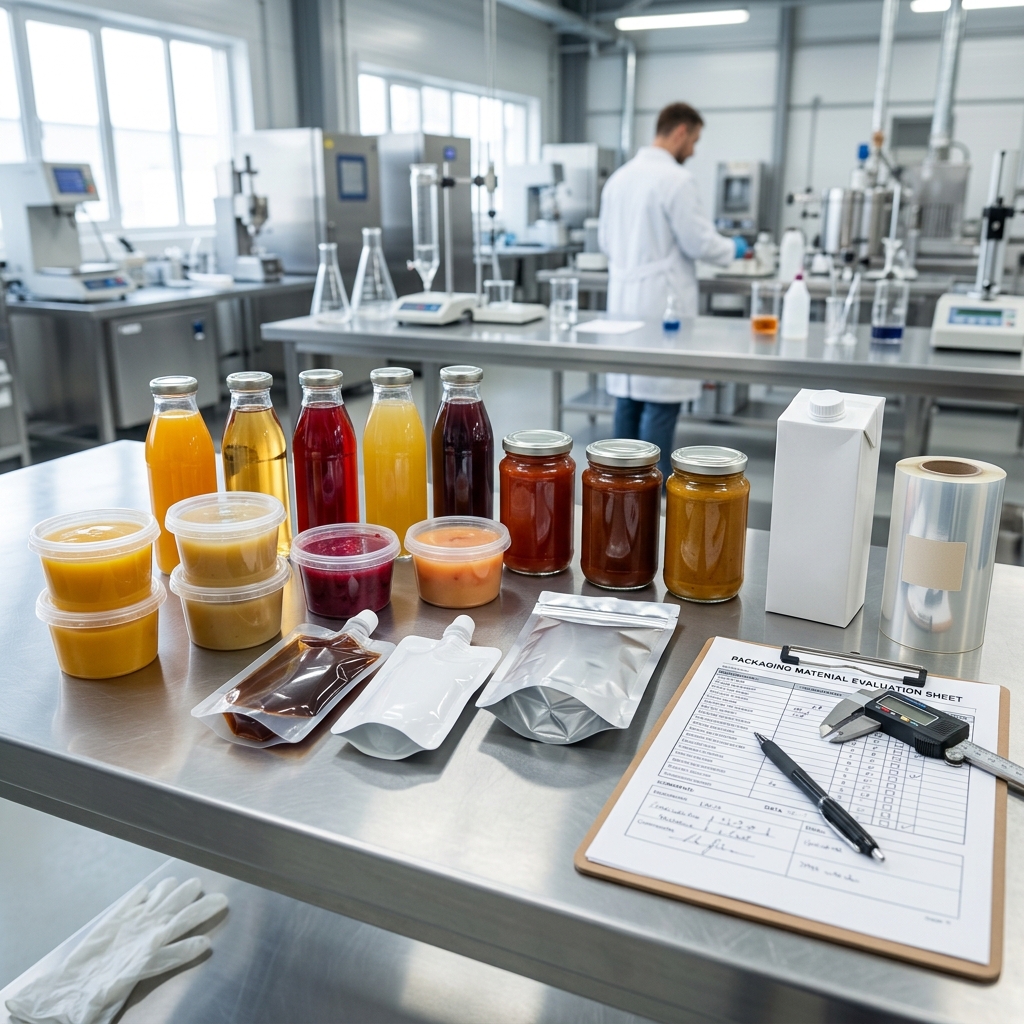
The liquid food profile is the foundation of material selection. State the product name and application, then document pH, acidity, fat or oil content, sugar level, particulate content, viscosity, aroma sensitivity and any ingredients that may affect contact materials. A fruit puree with particulates, a cooking oil and a dairy base can require very different handling and compatibility assessments.
Also define the processing history: treatment temperature, hold time where relevant, cooling stage, filling temperature and any cleaning or sanitation exposure associated with the line. These details help the supplier assess film structure, seal layer and fitment suitability. For beverage-focused selection factors, consult guidance on choosing bag-in-box materials for beverages.
Include sensory requirements in the brief. Oxygen transmission, light exposure, aroma retention and possible odour interaction can matter for products such as juices, wine ingredients, coffee concentrates and flavour-sensitive sauces. Barrier is the package’s resistance to the passage of gases, vapours or light; the required barrier level should be tied to the product and intended storage conditions, not selected by appearance alone.
Specify Material and Barrier Requirements
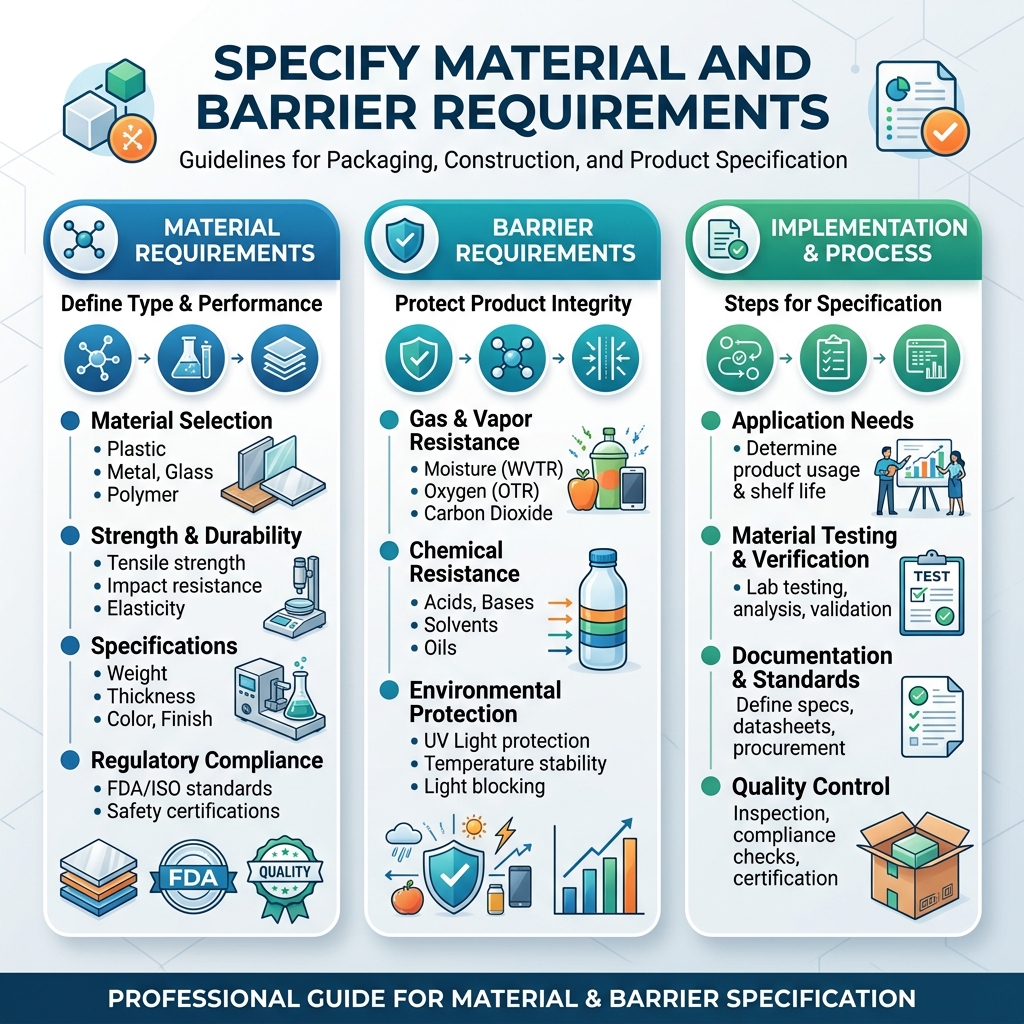
A flexible aseptic bag is commonly a multilayer construction. Individual layers may support sealing, mechanical strength, barrier protection or printing protection. Procurement teams should request the proposed structure in functional terms and ask which layer provides the seal, which addresses barrier needs and which supports the expected filling and distribution conditions.
Material selection should consider product contact, seal performance, puncture resistance, flex durability and compatibility with the outer carton or other secondary packaging. Avoid specifying a material solely because it was used for another liquid. Formula changes, different filling conditions or a new logistics route may change the package requirement.
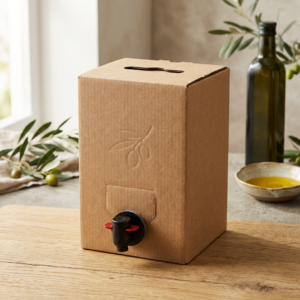
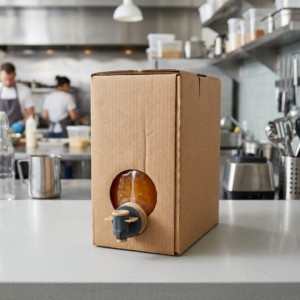
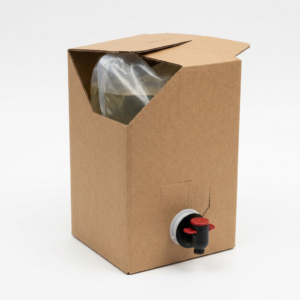
Request a review of the full pack configuration, including bag dimensions, gussets, fitment location and any protective carton. The outer carton in a bag-in-box format supports stacking and handling, while the inner bag provides liquid containment. Confirm whether the supplied bag is intended for use with the buyer’s existing carton and equipment.
Technical caveat: material suitability cannot be determined from a generic product category alone. Final structure selection should be confirmed through supplier review and appropriate trials with the actual liquid food and filling process.
Verify Filling and Sealing Compatibility
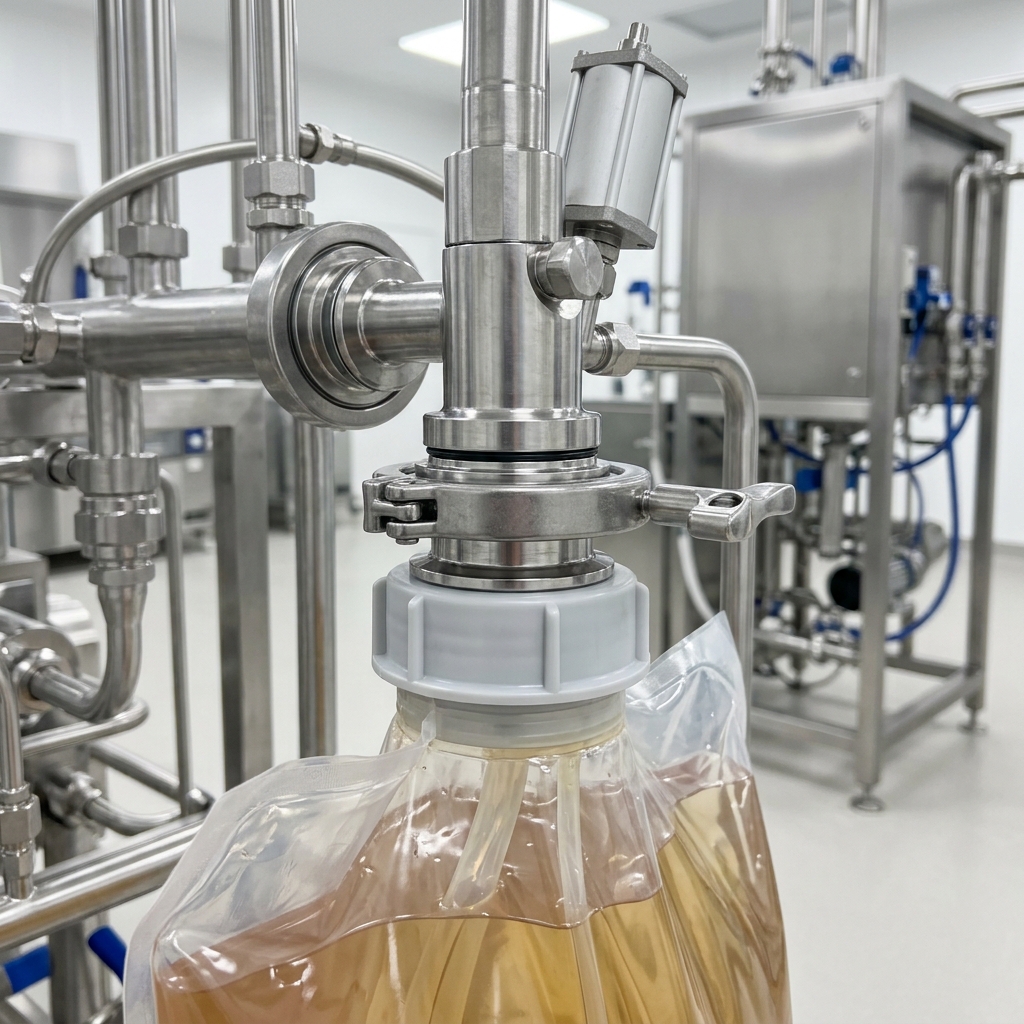
Filling compatibility means that the bag, fitment and closure can be processed reliably on the intended filling line. Provide the bag supplier with the machine type, filling head or connector details, target bag capacity, expected filling temperature, fill rate range and sealing sequence. If the line uses a particular aseptic fitment format, provide drawings or approved samples where available.
Ask how the proposed bag will be supplied and handled before filling, including pack count, protective packaging and storage conditions. The buyer should also define incoming inspection points, such as fitment orientation, bag dimensions, visual defects and traceability information. These are practical procurement controls, not substitutes for the filler’s process validation.
Plan trials before approving production artwork and volume purchasing. Trials should assess machine handling, fill accuracy, seal integrity, fitment engagement, leak performance under the buyer’s defined checks and interaction with the secondary pack. Record the acceptance criteria before the trial so results can be reviewed consistently.
Select Capacity, Fitment and Dispensing Features
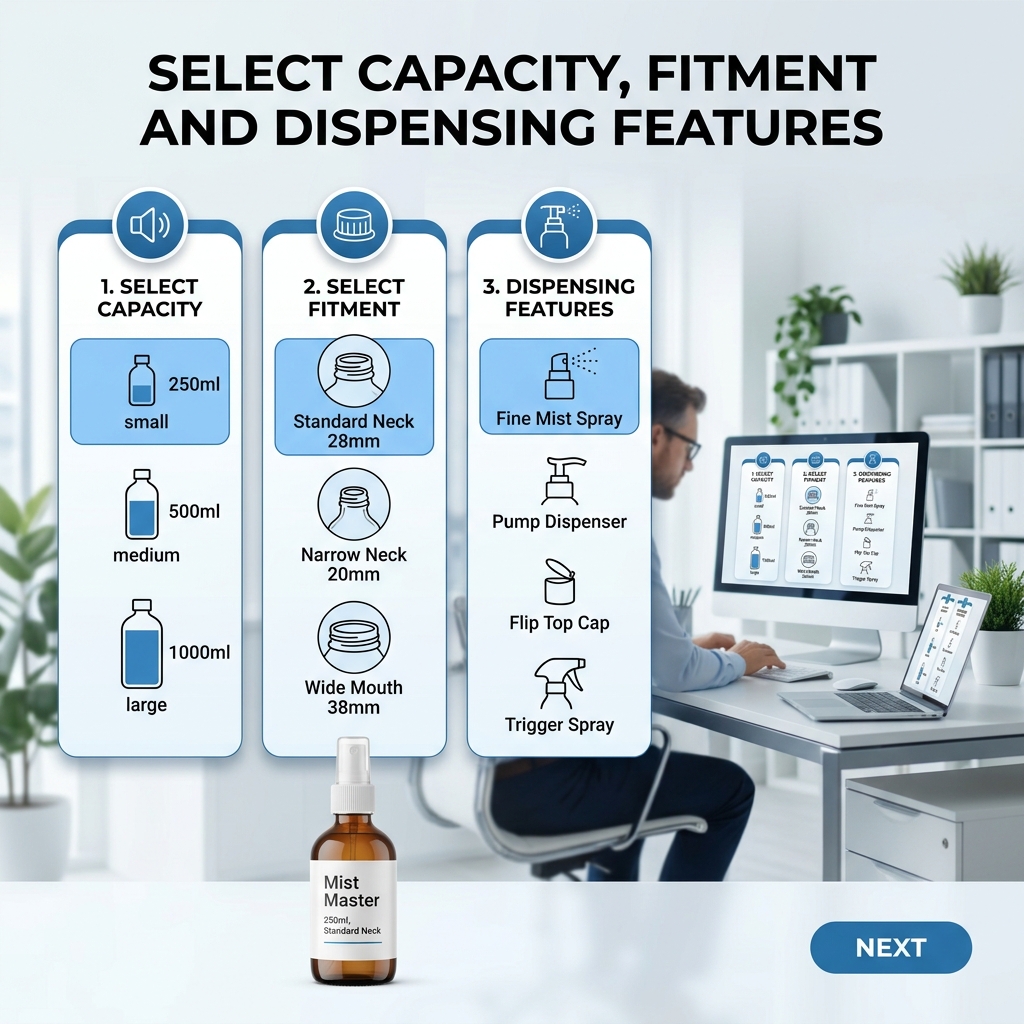
Choose bag capacity around the end user’s consumption, handling and dispensing workflow. Larger formats can reduce changeovers for foodservice or industrial users, while smaller formats may be easier to lift, refrigerate after opening or use in controlled portions. Capacity also affects bag dimensions, carton design, pallet arrangement and filling equipment settings.
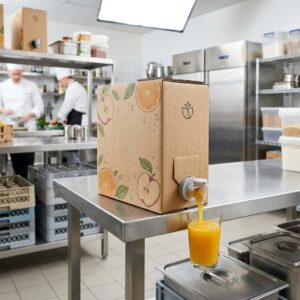
A fitment is the plastic component attached to the bag that enables filling, sealing, dispensing or connection to equipment. Specify its type, position, diameter or interface, cap arrangement and intended dispensing method. For example, a foodservice sauce application may need controlled dispensing, while an ingredient pack may need a connector compatible with downstream equipment.
Do not assume that one fitment suits every product viscosity or operating setup. Thick purees, products with particulates and low-viscosity beverages can behave differently during filling and dispensing. Confirm fitment selection with both the packaging supplier and the filling or dispensing equipment provider.
Review Storage and Distribution Conditions

Describe the complete route from finished filling through warehousing, transport, receiving and use. State expected temperature ranges, humidity exposure, stacking method, transit duration assumptions, pallet pattern and whether the packs may be subjected to compression, vibration or temperature cycling. These conditions affect the appropriate bag-and-carton combination.
Storage requirements should address both unopened and opened packs. Once opened, the product handling procedure may change because the package is no longer in its original sealed state. Procurement documentation should distinguish unopened storage expectations from the customer’s dispensing and post-opening handling instructions.
For export programs, align shipping marks, language, pack identification and destination-market requirements with the buyer’s regulatory and commercial teams. The packaging supplier can provide relevant material and production information within its scope, but the buyer remains responsible for confirming the finished product’s market requirements.
Set Printing and Procurement Controls
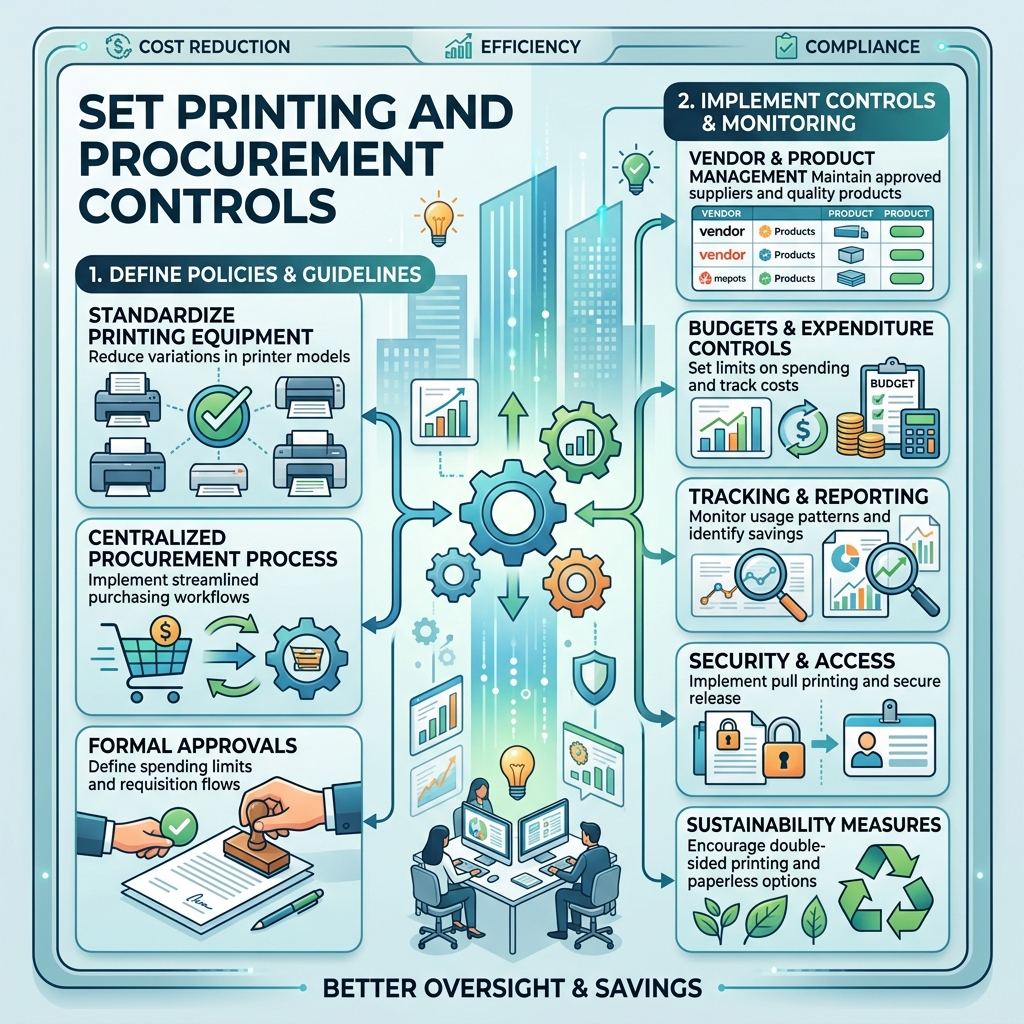
Printing requirements should be captured early because artwork, colour references, variable data, print location and readable coding areas affect the final bag design. Provide approved artwork files and clearly identify mandatory product, handling and traceability information. Confirm whether printing is on the bag, carton or both, and avoid placing critical copy where folds, gussets or fitments may reduce legibility.
Issue one controlled specification that connects the product profile, bag structure, dimensions, capacity, fitment, artwork, packing method and inspection requirements. Revision control is especially important when a buyer changes formula, filling site, carton design or destination market. A structured bag-in-box packaging procurement checklist can help teams align technical, purchasing and operations inputs.
During supplier review, ask which information is needed to quote and which approvals are required before manufacturing. Keep commercial decisions, technical approvals and artwork approvals traceable as separate records. This helps prevent a printed bag version from being ordered against an outdated technical specification.
Approve Samples Before Production
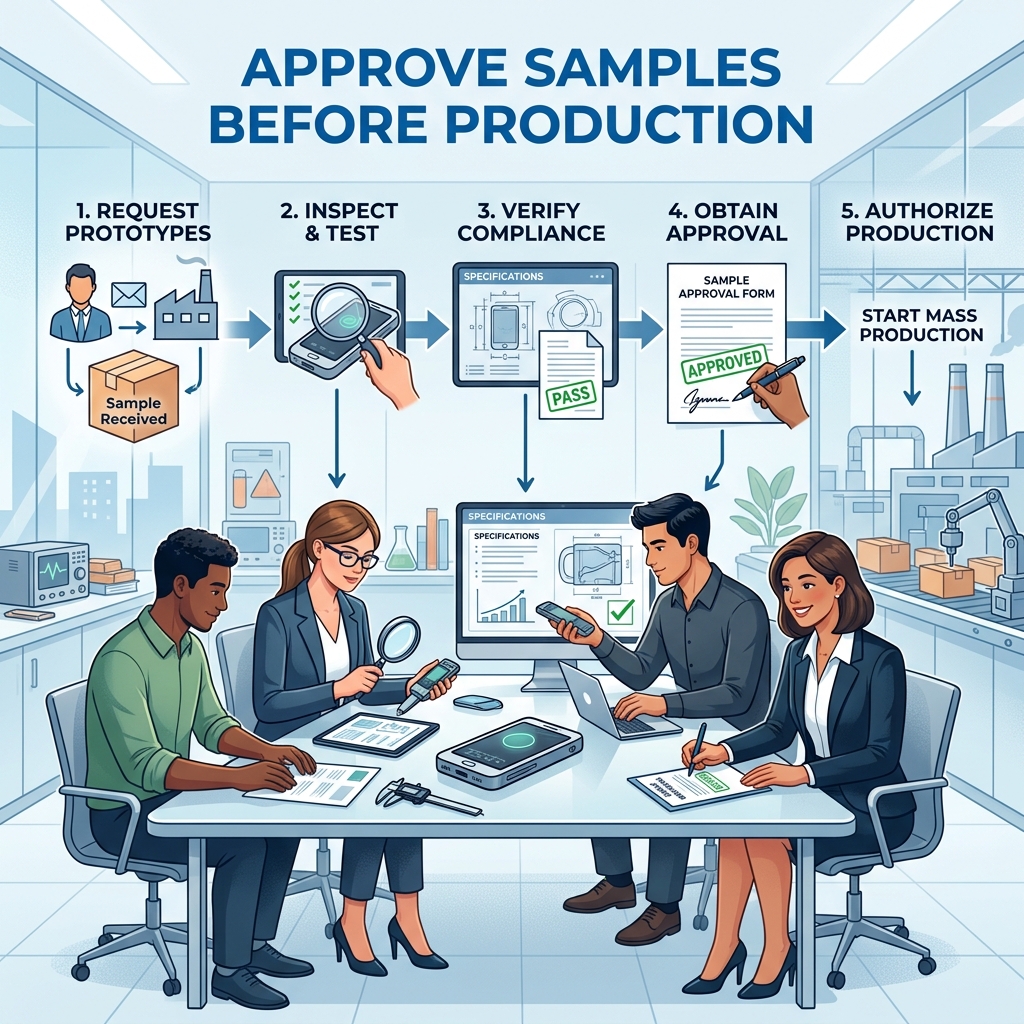
Sample approval should cover more than visual appearance. Confirm the approved bag size, material structure, fitment, placement, seal area, print content and packing configuration. Where possible, use samples on the actual filling line and include representative product or a justified trial medium. Retain approved reference samples and the associated revision-controlled specification.
Agree on practical quality communication before ordering: inspection records expected from the supplier, batch identification, packaging condition at receipt, nonconformance reporting and change-notification expectations. These controls make it easier to investigate issues without assuming that one party can determine a cause from a photograph or a single retained bag.
HUACANG Packaging Manufacturing Co., Ltd. is a Guangzhou-based flexible packaging manufacturer established in 1998, with a 15,000 square meter facility using 9-color printing and laminating lines. Buyers should still provide their exact food product, filling conditions and use requirements so the proposed packaging can be reviewed for the specific application.
Conclusion

A thorough aseptic bag procurement checklist connects the liquid food, package material, fitment, filling method, storage route and artwork into one controlled buying decision. The most useful procurement brief is specific enough for a supplier to evaluate the application and for the filler to validate it on the intended system. Final material, fitment and bag configuration should always be confirmed with the packaging supplier and the actual filling process before production purchasing.